
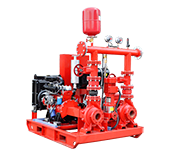
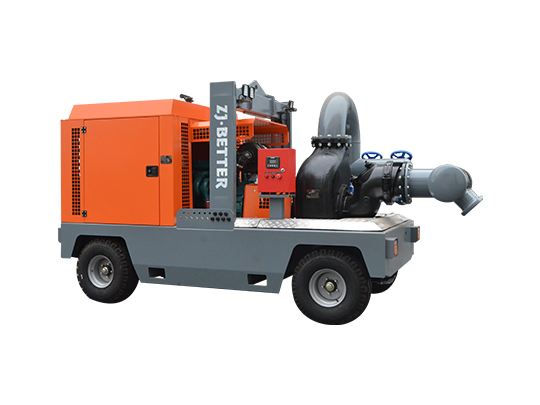
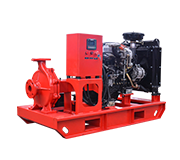
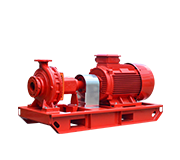

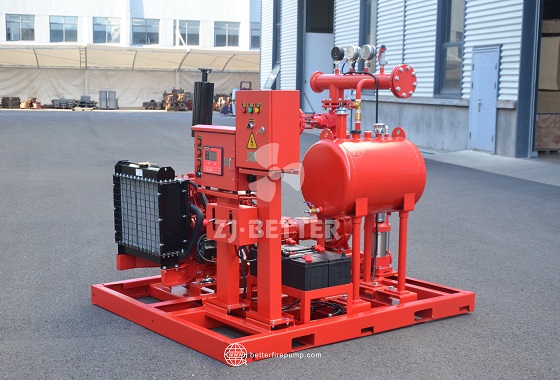
1. Integrated Structural Design Enhances Overall System Reliability Integrated diesel fire pump units adopt a highly modular and integrated design concept, centrally installing the diesel engine, fire pump, base, piping system, instruments, and control devices on the same skid-mounted platform or base. This structural design reduces uncertainties caused by secondary on-site installation and complex pipeline connections, allowing components to be matched and debugged before leaving the factory, thus improving the overall reliability of the system from the source. In the early stages of a fire, the equipment can be quickly put into operation without complex linkage operations, avoiding start-up failures caused by installation errors or interface problems. Overall integration not only reduces the number of potential failure points but also ensures more stable performance during long-term operation, meeting the stringent reliability requirements of fire protection systems.
2. Diesel Power Ensures Independent Water Supply in the Early Stages of a Fire
During a fire, municipal power systems often face the risk of interruption, while fire-fighting water supply cannot be delayed. Integrated diesel fire pump units use diesel engines as their power source, do not rely on external power conditions, and can automatically or manually start quickly in the event of a power outage, ensuring continuous water supply in the early stages of a fire. Diesel power systems are characterized by reliable starting and strong adaptability, maintaining stable output even in high-temperature, low-temperature, or humid environments. This advantage makes it a core piece of equipment in critical fire protection systems, providing strong power support for initial fire suppression.
3. Rapid Start-up Performance Improves Initial Fire Suppression Efficiency
The early stages of a fire are crucial for controlling its spread; delays in water supply often lead to a rapid escalation of the fire. Integrated diesel fire pump units are designed with optimized start-up response time in mind. By rationally matching engine power, pump parameters, and control logic, the equipment quickly reaches rated operating conditions upon receiving a start command. Rapid start-up not only shortens the time from alarm to water output but also ensures sufficient flow and pressure when the fire protection system first intervenes, providing a stable water source for fire hydrant networks, sprinkler systems, or fire suppression systems, thereby significantly improving initial fire extinguishing efficiency.
4. Stable Flow and Pressure Meet Diverse Firefighting Needs Different locations have significantly different requirements for the flow and pressure of fire water supply. Integrated diesel fire pump units, through proper selection and system matching, can cover a variety of application needs, from small and medium-sized buildings to large industrial facilities. The pump body adopts a hydraulic structure specifically designed for firefighting conditions, maintaining stable output within the rated speed range and avoiding the impact of pressure fluctuations on fire extinguishing effectiveness. Stable flow and pressure not only help the sprinkler system evenly cover the fire source area but also ensure efficient system operation when multiple points use water simultaneously, meeting the actual needs of complex firefighting scenarios.
5. High Integration Reduces Installation Cycle and Construction Costs: Traditional split-type fire pump systems often require extensive foundation construction, piping connections, and electrical commissioning during on-site installation, resulting in long cycles and high costs. Integrated diesel fire pump units are delivered as a complete unit, requiring only foundation fixing and necessary interface connections before operation, significantly shortening the installation cycle. This advantage is particularly pronounced in projects with tight schedules or emergency situations, reducing construction difficulty and potential risks arising from inconsistent on-site construction quality, thereby lowering overall project costs.
6. Intelligent Control System Optimizes Initial Fire Operation Management: Modern integrated diesel fire pump units are typically equipped with sophisticated control and monitoring systems that display engine operating status, pump pressure, flow rate, and key parameters in real time. In the initial stages of a fire, the control system can automatically start, issue fault alarms, and provide status feedback based on preset logic, reducing the need for manual intervention. Through clear and intuitive operational information, managers can quickly grasp the equipment's operating status and make timely decisions. This intelligent management approach not only improves the controllability of the equipment in emergency situations but also facilitates subsequent maintenance and operation management.
7. Structural and Material Selection Adaptable to Complex Environments
Firefighting equipment often needs to operate for extended periods in high-temperature, humid, dusty, or corrosive environments. Integrated diesel fire pump units are designed with these conditions in mind in their materials and structure. The pump body, piping, and key connecting components utilize corrosion-resistant and wear-resistant materials, and a rational protective design enhances overall durability. A robust base and a reasonable center of gravity distribution ensure good stability during operation, allowing reliable operation even under vibration or impact, providing a solid guarantee for continuous water supply in the early stages of a fire.
8. Convenient Maintenance Ensures Long-Term Emergency Availability
A key characteristic of firefighting equipment is its "standby status in peacetime and availability in critical moments." Integrated diesel fire pump units are designed with ease of daily maintenance and inspection in mind. The rational layout of key components facilitates inspection and maintenance. Regular, simple maintenance ensures that the equipment maintains good performance even during long-term standby. This ease of maintenance reduces operational management difficulty and the risk of emergency failure due to inadequate maintenance, further enhancing the reliability of the fire protection system.
9. Widely Applicable to Various Fire Protection System Configurations
Integrated diesel fire pump units can be flexibly applied to various fire protection system configurations, including fire hydrant systems, automatic sprinkler systems, water curtain systems, and other special fire water supply scenarios. Their excellent compatibility allows for seamless integration with existing fire piping networks and control systems, providing reliable solutions for projects of different sizes and types. In the early stages of a fire, whether starting a single system or multiple systems working in tandem, these units can operate stably, meeting diverse fire protection needs.
10. Enhanced Safety Redundancy Capacity of the Overall Fire Protection System
In modern fire protection design, safety redundancy is a crucial principle for ensuring reliable system operation. As a core water supply device independent of the electrical system, the integrated diesel fire pump unit provides vital backup and supplementary capabilities for the fire protection system. In the event of a failure in the main water supply or electric pump unit, the diesel unit can quickly take over, ensuring uninterrupted water supply in the early stages of a fire. This redundancy design significantly enhances the overall safety level of the fire protection system, providing stronger protection for personnel and property.
In summary, integrated diesel fire pump units, with their highly integrated design, independent and reliable diesel power, rapid and stable water supply performance, and intelligent control and management, demonstrate irreplaceable advantages in the initial water supply phase of a fire. They not only improve the response speed and operational reliability of fire protection systems in emergencies but also bring significant value to users in terms of installation, maintenance, and long-term use. With increasingly stringent fire safety requirements, integrated diesel fire pump units will play a crucial role in more critical locations, becoming essential equipment for ensuring efficient fire suppression and safe system operation in the initial stages of a fire.
 WhatsApp me