

1. The Advantages of Horizontal Structure for Operational Stability
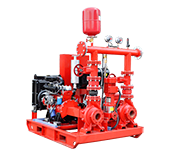
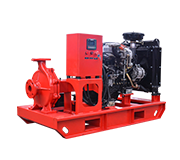
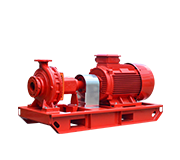
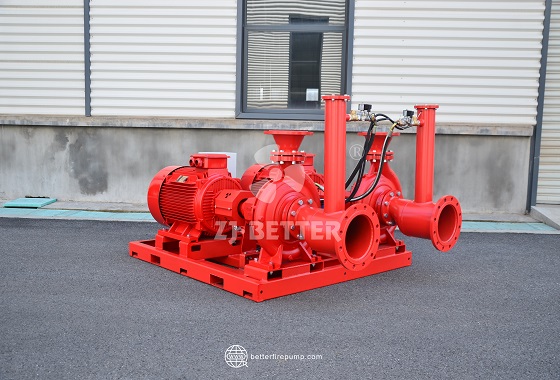
Industrial horizontal fire pump units adopt a horizontal layout, placing the pump body, shaft system, and drive unit on the same horizontal axis. This structural form results in a low center of gravity, smooth operation, and effectively reduces vibration and noise generated during high-speed operation. Compared to vertical structures, horizontal fire pumps are more likely to maintain a stable hydraulic state under high flow conditions, with even bearing stress, which helps extend the service life of key components. Under the conditions of long service life and sudden high-load operation in industrial fire protection, the horizontal structure provides a solid foundation for system stability.
2. Stable Flow Output Meets Industrial Firefighting Needs
Industrial firefighting systems typically require a stable flow rate over extended periods to ensure the simultaneous operation of sprinkler systems, fire hydrant systems, and process protection water. Horizontal fire pump units, through optimized impeller hydraulic models and pump chamber flow channel design, achieve a smooth flow curve, avoiding uneven water supply due to pressure fluctuations. Even with multiple points using water simultaneously, the pump unit maintains a stable output, ensuring sufficient water supply to each protected area. This stable flow capability is a crucial guarantee for the safe operation of industrial firefighting systems.
3. High Reliability Design Ensures Availability in Critical Moments
The most significant characteristic of firefighting equipment is its "long-term non-use, essential when needed" nature. Industrial horizontal fire pump units are designed with high reliability as a core objective, fully considering extreme operating conditions from material selection to structural layout. The pump body typically uses high-strength, pressure-resistant materials, and key sealing components possess excellent wear and aging resistance, ensuring reliable startup even after prolonged standby. This highly reliable overall design allows the pump unit to be quickly put into operation in the event of a fire, preventing delays in rescue efforts due to equipment failure.
4. Adaptable to Complex Industrial Piping Systems: Fire protection piping networks in industrial parks, chemical plants, and warehousing facilities are often complex, long-distance, and have significant elevation differences, placing high demands on the head and stability of fire pumps. Horizontal fire pump units can flexibly configure head and flow parameters according to different operating conditions to meet the needs of long-distance water delivery and high-level water supply. Simultaneously, their stable pressure output helps reduce pipeline impact, lowers wear on valves and connecting components, and improves the reliability of the entire fire water supply system.
5. Continuous Operation Capability Meets the Needs of Large-Scale Fires: In large-scale industrial fires, fire pumps often need to operate continuously for extended periods to support sustained firefighting operations. Horizontal fire pump units are designed with heat dissipation and lubrication conditions in mind, giving them excellent continuous operation capability. A stable shaft structure and reasonable cooling methods effectively prevent performance degradation or component damage caused by prolonged high-load operation, providing a durable and reliable water source for industrial fire protection.
6. Convenient Maintenance Reduces Operating Costs: Industrial fire protection systems are typically large-scale, and the difficulty of equipment maintenance directly impacts subsequent operating costs. Horizontal fire pump units feature a clear structure, rational arrangement of key components, and ample maintenance space, making daily maintenance and periodic inspections more convenient. Maintenance of vulnerable parts such as bearings and seals can be completed without complex disassembly and assembly, significantly reducing maintenance time and labor costs. This excellent maintainability ensures stable performance throughout the equipment's lifespan.
7. Compatible with Multiple Drive Modes: Industrial horizontal fire pump units can be flexibly configured with different drive modes according to site conditions to adapt to diverse application scenarios. Whether used as a main fire pump or a standby fire pump, its structural design can be well matched with different power systems, ensuring reliable water supply capability in the event of power outages or emergencies. This compatibility enhances the overall safety redundancy level of the system, meeting the multiple protection requirements of industrial fire protection.
8. Conforms to the Overall Design Concept of Industrial Fire Protection Systems: Modern industrial fire protection emphasizes systematization, standardization, and collaborative operation. As a core water supply device, the horizontal fire pump unit can form a complete solution with pressure stabilization systems, control systems, and piping systems. Its stable performance helps maintain pressure balance throughout the fire protection system, reduces the risk of malfunctions, and improves overall system coordination. This systematic advantage makes it an indispensable component of industrial fire protection design.
9. Applicable to Multiple Industry Fire Protection Scenarios
Industrial horizontal fire pump units are widely used in various industries such as manufacturing plants, petrochemical facilities, logistics and warehousing centers, and power and energy projects. Fires in these locations often involve high risks and significant losses, requiring extremely high reliability of fire water supply. Horizontal fire pump units, with their stable flow rate and high reliability, can meet the fire protection needs of different industrial sectors, demonstrating strong adaptability and a wide range of applications.
10. Performance Guarantee During Long-Term Standby
Fire pump units operate in a static standby state for extended periods, placing special demands on material durability and structural stability. Industrial horizontal fire pump units maintain good condition even during long-term shutdowns, avoiding issues such as corrosion and seal aging that could affect starting performance. Regular inspections and simple maintenance ensure the equipment remains readily available, providing long-term, reliable safety assurance for industrial fire protection systems.
Industrial horizontal fire pump units, with their stable flow output, highly reliable structural design, and excellent continuous operation capabilities, have become the core water supply equipment in industrial fire protection systems. Its comprehensive advantages in adaptability to complex pipe networks, ease of maintenance, and long-term reliability enable it to meet the fire protection requirements of harsh industrial environments. Through proper selection and system configuration, horizontal fire pump units will provide a long-lasting and stable water supply for industrial fire safety, making them an indispensable piece of equipment for achieving high-standard fire protection.
 WhatsApp me