
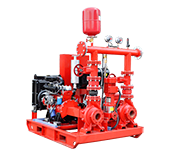
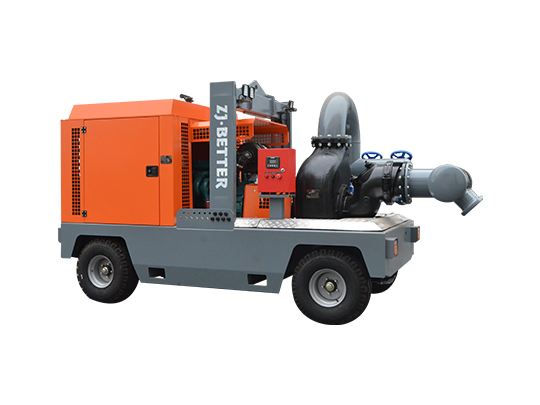
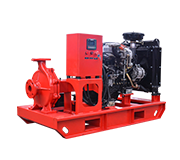
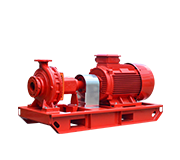

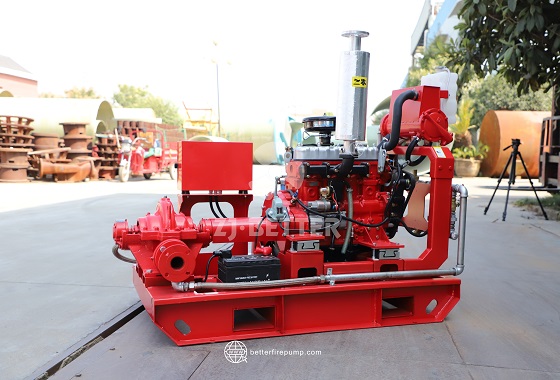
1. Overall Structural Advantages Designed for Continuous Operation Continuous operation capability is a crucial indicator of diesel fire pump performance. These products are designed with the need for long-term uninterrupted operation fully considered from the overall structural design stage. The pump body is typically made of high-strength cast iron or alloy materials, and the internal flow channels are hydraulically optimized to reduce water flow resistance and energy loss, thereby maintaining stable output during continuous high-load operation. The shaft system utilizes high-rigidity shaft materials, coupled with precision bearings and a rationally arranged support point, effectively reducing operational vibration and mechanical fatigue. The base primarily employs an integral welded steel structure, possessing excellent torsional strength and vibration damping performance, maintaining overall equipment stability during long-term operation and laying a solid foundation for the diesel fire pump to operate continuously for hours or even longer.
2. Diesel Power System Ensures Independent and Reliable Continuous Output
Compared to electric fire pumps, the biggest advantage of diesel fire pumps lies in the independence of their power system. The diesel engine does not rely on an external power supply, and can still start immediately and continue operating in the event of a municipal power grid failure or power outage due to fire. For continuous operation, industrial-grade or emergency-specific engines are typically selected, possessing excellent thermal management capabilities and fuel combustion efficiency. A large-capacity fuel tank design meets the needs of long-term operation, and combined with a stable fuel supply system, ensures stable and reliable power output from the engine under continuous high load conditions. By rationally matching engine power with water pump load, the entire diesel fire pump system maintains optimal operating conditions during long-term operation.
3. High-Efficiency Cooling and Lubrication System Supports Long-Term Operation
Continuous operation places higher demands on the equipment's cooling and lubrication system. Diesel fire pumps are typically equipped with high-efficiency water-cooling or air-cooling systems. Their scientifically designed cooling pipe layout effectively removes excess heat during prolonged engine operation, preventing overheating that could lead to performance degradation or malfunction. The lubrication system utilizes a high-capacity oil circulation design, ensuring that all critical moving parts of the engine are always well-lubricated, effectively reducing friction losses. Some products are also equipped with oil pressure and temperature monitoring devices, providing real-time feedback on engine operating status during continuous operation, offering dual protection for stable equipment operation.
4. Stable Hydraulic Performance Ensures Continuous Water Supply
In practical firefighting applications, a continuous and stable water volume and pressure are crucial. Diesel fire pumps with strong continuous operating capabilities are particularly outstanding in their hydraulic performance design. Through precise calculation of flow rate and head parameters, the pump can operate under rated conditions for extended periods without significant performance fluctuations. Optimized impeller structure and pump chamber design effectively reduce cavitation and lower the risk of internal wear due to prolonged operation. Even under continuous high flow output conditions, stable water pressure is maintained, providing a reliable water source for sprinkler systems, fire hydrant systems, or foam extinguishing systems, ensuring the firefighting system continues to function throughout the entire firefighting cycle. 5. Intelligent Monitoring Systems Enhance Continuous Operation Safety
To meet the high fire safety standards of critical locations, diesel fire pumps are generally equipped with comprehensive monitoring and protection systems. The control system can monitor key parameters such as engine speed, pump outlet pressure, coolant temperature, and oil pressure in real time. In case of abnormalities, it can promptly issue alarms or take protective measures. During continuous operation, these monitoring functions effectively reduce the burden of manual inspections and improve the overall system safety. Some control systems also support multiple start-up modes, including automatic and manual, ensuring rapid response under different operating conditions and providing reliable technical support for long-term firefighting operations.
6. Durability and Stability in Complex Environments
Critical locations often have complex environmental conditions, such as high temperature, high humidity, dust, or corrosive gases, placing higher demands on equipment durability. Continuous-operation diesel fire pumps fully consider these factors in material selection and surface treatment. The pump body and key components often use anti-corrosion coatings or special processes to enhance corrosion resistance. The electrical control box has excellent sealing performance to prevent dust and moisture intrusion. Even during long-term operation in harsh environments, the equipment maintains stable performance, significantly extending its service life and reducing the risk of operational interruptions due to environmental factors.
7. Low-maintenance design reduces long-term operating costs. Long-term continuous operation requires not only reliable equipment but also easy maintenance. Diesel fire pumps are designed with modularity and ease of maintenance in mind, with a rational layout of key components for convenient daily inspection and maintenance. The use of high-quality seals and wear-resistant materials reduces replacement needs due to frequent operation. By extending maintenance cycles and reducing failure rates, the equipment maintains low maintenance costs throughout its lifespan. This low-maintenance characteristic is particularly important for fire protection systems that require year-round standby and periodic trial runs, helping to reduce overall operating costs.
8. Flexible configuration to meet the needs of different fire protection systems. Diesel fire pumps with strong continuous operation capabilities can be flexibly configured to meet the needs of different projects, including different flow rate and head combinations, as well as multi-pump parallel system designs. In large projects, multiple diesel fire pumps can work together to achieve redundancy and longer-term continuous water supply capacity. Flexible configuration options enable its widespread application in critical locations such as petrochemical plants, airports, ports, and data centers, meeting diverse fire protection system design needs and providing reliable solutions for complex projects.
9. Compliance with Fire Protection Codes and Engineering Application Standards
In practical engineering applications, diesel fire pumps typically need to comply with relevant fire protection codes and technical standards. Continuously operating products are designed and manufactured in strict accordance with the reliability and continuous operating time requirements of fire protection systems, ensuring stable operation under specified conditions. Through reasonable selection and system integration, diesel fire pumps can be smoothly integrated into the overall fire protection engineering system, providing strong guarantees for project acceptance and long-term use.
10. Core Value in Fire Safety at Critical Locations
For critical locations such as hospitals, data centers, and energy facilities, the losses from a fire are often enormous. Diesel fire pumps with strong continuous operating capabilities play an irreplaceable role in such locations. Their stable and sustained water supply buys valuable time for firefighters, effectively controlling the spread of fire. By continuously providing a reliable water source at critical points, this type of product becomes an important component in ensuring the safety of life and assets, and is an indispensable core device in modern fire protection systems.
In conclusion, diesel fire pumps with strong continuous operation capabilities demonstrate significant advantages in fire safety in critical locations due to their independent and reliable power systems, stable and efficient hydraulic performance, and comprehensive cooling, lubrication, and monitoring and protection designs. Whether for long-term standby in complex environments or continuous high-intensity operation during a fire, these products can function reliably, providing a solid guarantee for fire protection systems. As fire protection engineering demands increasing reliability and continuity, diesel fire pumps with long-term continuous operation capabilities will continue to play a vital role in the future of fire protection.
 WhatsApp me