

1. Vertical Structure Design Effectively Saves Installation Space
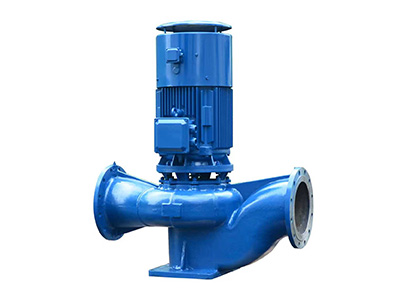
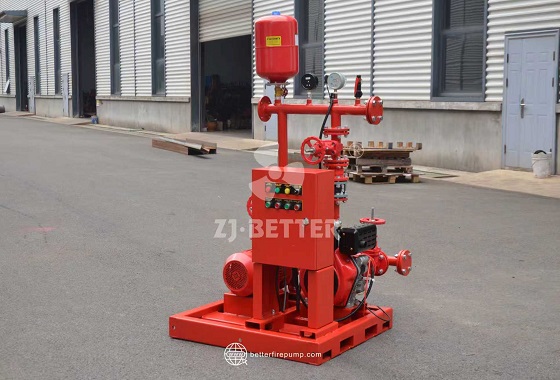
Modern industrial projects often feature dense equipment and limited machine room space, making the structural layout of fire protection equipment particularly important. Industrial-grade vertical fire pumps, with their vertical installation structure, occupy less space compared to traditional horizontal pumps, effectively improving the utilization rate of machine room space. For large commercial complexes, high-rise buildings, and underground equipment rooms, multiple systems such as fire water supply, power control, ventilation, and monitoring often need to be installed simultaneously within limited space. Vertical fire pumps, with their compact structural design, can be efficiently installed in a smaller area, reducing construction difficulty. Furthermore, the vertical structure reduces pipe bends and connection lengths, helping to reduce system hydraulic losses and improve overall water delivery efficiency. Partially integrated skid-mounted designs can integrate the pump, electrical control cabinet, valve components, and pressure control system onto a single base, further improving on-site installation efficiency. This space-saving and flexible layout makes industrial-grade vertical fire pumps particularly suitable for modern industrial projects and intelligent building fire protection systems.
2. High-Head Performance Meets Continuous High-Pressure Water Supply Needs
Industrial fire protection systems typically need to deliver fire water to high-rise areas, long-distance pipe networks, or large industrial installations; therefore, the equipment must have a stable high-head output capability. Industrial-grade vertical fire pumps, through optimized impeller structure and multi-stage pressurization design, can achieve continuous high-pressure water supply, meeting the needs of complex fire protection conditions. In large warehousing and logistics centers, high-rise office buildings, and petrochemical parks, fire protection systems often need to maintain high pipe network pressure for extended periods to ensure that sprinkler systems and fire hydrants can be quickly activated in the event of a fire. Vertical fire pumps, with their stable pressure output capability, effectively ensure the reliable operation of the entire fire protection system. Simultaneously, the multi-stage pump structure allows for flexible adjustment of head and flow configuration according to project requirements, achieving precise water supply in different scenarios. Whether for high-rise building fire water supply or long-distance water transmission in industrial areas, industrial-grade vertical fire pumps can maintain stable operation. This continuous high-pressure water supply capability is of great significance for key areas requiring 24/7 fire protection.
3. High-Efficiency Energy-Saving Design Reduces Long-Term Operating Costs
With increasingly stringent industrial energy conservation requirements, fire-fighting equipment must not only meet safety needs but also ensure energy efficiency. Industrial-grade vertical fire pumps typically employ high-efficiency hydraulic models and low-energy-consumption motors to reduce energy consumption while ensuring stable water supply. Modern fire pump impellers undergo precise fluid optimization design, effectively reducing internal hydraulic losses and improving pump operating efficiency. Simultaneously, high-efficiency motors reduce power consumption during long-term operation, helping companies reduce operating costs. For large industrial projects, fire protection systems often need to be on standby for extended periods, with some pressure stabilizing equipment even requiring continuous 24/7 operation. Therefore, energy efficiency is crucial for the long-term economic viability of the equipment. Furthermore, intelligent frequency conversion control systems can automatically adjust operating status based on pipeline pressure, avoiding frequent start-ups and shutdowns and unnecessary energy consumption, thereby further improving overall energy efficiency. This high-efficiency energy-saving design not only aligns with modern green building trends but also helps companies achieve lower operating costs and higher energy efficiency.
4. Intelligent Automatic Control Improves Fire Response Efficiency
Modern industrial fire protection systems increasingly emphasize automation and intelligent control capabilities. Industrial-grade vertical fire pumps are typically equipped with intelligent control cabinets, enabling automatic pressure detection, automatic start/stop, fault alarms, and remote monitoring. When the pressure in the fire hydrant network changes, the system can quickly identify the pressure signal and automatically start the pump, ensuring the fire water supply system remains stable. This automatic response capability effectively shortens the water supply response time in the early stages of a fire. Simultaneously, the intelligent control system can monitor current, voltage, operating pressure, motor temperature, and equipment operating status in real time. When system anomalies occur, the control cabinet can automatically issue alarm signals and take protective measures, reducing the risk of equipment failure. In large industrial parks and intelligent building projects, fire pump systems can also achieve联动 control with fire alarm systems, building automation systems, and central control platforms, further improving the overall fire management level. The application of automation and intelligent technologies makes industrial-grade vertical fire pumps not just a water supply device, but an important component of modern intelligent fire protection systems.
5. Stable Operation Capability Adaptable to Continuous Working Environments
One of the most important characteristics of fire protection systems is the need for stable operation at critical moments and the ability to withstand long-term continuous working loads. Industrial-grade vertical fire pumps are designed with particular emphasis on operational stability and mechanical reliability. The equipment typically employs high-strength pump shafts, wear-resistant bearings, and industrial-grade sealing structures, effectively reducing mechanical wear caused by prolonged operation. Simultaneously, optimized rotor balance design reduces equipment vibration and noise, improving overall operational stability. For industrial environments with high temperatures, high humidity, and high dust levels, the continuous operating capability of fire-fighting equipment is particularly important. Industrial-grade vertical fire pumps can maintain stable water supply performance under complex operating conditions, ensuring continuous operation of the fire-fighting system in emergencies. Furthermore, some equipment is equipped with automatic cooling and temperature protection functions, further enhancing safety and reliability during long-term high-load operation. This stable and continuous operating capability is a crucial foundation for the safety of industrial fire-fighting systems.
6. Corrosion-Resistant Structure Improves Equipment Lifespan
Industrial fire-fighting environments are often complex, especially in petrochemical, coastal industrial areas, and high-humidity environments, where fire-fighting equipment is constantly exposed to corrosive media and humid air. Therefore, industrial-grade vertical fire pumps require extremely high corrosion resistance. The equipment typically uses corrosion-resistant cast iron, stainless steel impellers, rust-proof coatings, and high-temperature resistant sealing materials, effectively improving the equipment's corrosion resistance. Some specialized industrial projects also utilize special anti-corrosion materials tailored to the characteristics of the media to meet long-term stable operation requirements. High-quality anti-corrosion structures not only extend equipment lifespan but also reduce maintenance frequency and component replacement costs. For large industrial projects, reduced maintenance downtime translates to higher operational efficiency and lower overall costs. In modern industrial fire protection systems, corrosion resistance has become a crucial indicator of fire pump equipment quality.
7. Integrated Skid-Mounted Design Simplifies Engineering Deployment
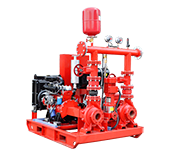
Traditional fire protection equipment typically requires extensive on-site piping connections and system commissioning. Modern industrial projects increasingly favor integrated skid-mounted fire pump equipment. Industrial-grade vertical fire pumps integrate the pump body, motor, control cabinet, valve components, and piping system onto a base platform, forming a complete set of equipment. This design significantly reduces on-site installation work and shortens the construction cycle. For overseas projects, remote industrial areas, and large infrastructure projects, integrated design reduces on-site construction difficulty and improves overall project efficiency. Furthermore, equipment transportation and subsequent maintenance are more convenient. The modular structure also allows for flexible expansion of different functional configurations according to project needs, achieving more efficient fire protection system integration. This trend towards integration is gradually becoming an important direction for modern industrial fire protection equipment.
8. Widely Applicable to Various Industrial Fire Protection Scenarios
Industrial-grade vertical fire pumps possess strong adaptability and can be widely used in different industrial fire protection scenarios. In high-rise buildings, the equipment can meet the high-lift fire water supply requirements; in warehousing and logistics centers, it can achieve stable water supply for large-area sprinkler systems; in the petrochemical industry, it can meet the continuous fire water supply requirements of high-risk areas. Furthermore, projects such as data centers, power facilities, subway projects, airports, and large commercial complexes also have extremely high requirements for the stability of fire water supply systems. Industrial-grade vertical fire pumps, with their stable performance and flexible configuration capabilities, can meet the construction needs of fire protection systems in different fields. With the continuous development of industrial modernization and urbanization, the market demand for this type of high-performance fire water supply equipment is also continuously growing.
9. Meets Modern Fire Protection Standards, Enhancing Project Reliability
Modern fire protection engineering has increasingly stringent requirements for equipment standards and system reliability. Industrial-grade vertical fire pumps are typically designed and manufactured according to international fire protection codes and industrial standards to ensure that equipment performance, safety, and operational stability meet project requirements. Standardized design not only improves project acceptance efficiency but also enhances the convenience of subsequent equipment maintenance. Unified components and standardized structural design make equipment easier to manage and maintain over the long term. For large industrial projects, the compliance of fire-fighting equipment with regulations directly affects the overall safety level and project acceptance results. Therefore, selecting standard-compliant industrial-grade fire pump equipment is crucial for improving the overall reliability of the project.
10. Intelligentization and Energy Saving Become Future Development Directions
With the rapid development of smart cities and intelligent industries, fire pump equipment is also upgrading towards greater intelligence and energy saving. Future industrial-grade vertical fire pumps will further integrate IoT, remote monitoring, and data analysis technologies to achieve real-time management and predictive maintenance of equipment operation status. Through intelligent platforms, managers can identify potential fault risks in advance, improving equipment operational safety. Simultaneously, more efficient hydraulic structures and low-energy drive technologies will further reduce equipment operating energy consumption, promoting the development of green fire protection projects. Modularization, digitalization, and intelligentization will become important development trends in the future industrial fire pump industry.
Industrial-grade vertical fire pumps, with their advantages of high head, high efficiency, stable operation, and intelligent control, have become core water supply equipment in modern fire protection systems. They not only meet the demand for continuous high-pressure water supply but also improve the overall operational efficiency of the fire protection system through intelligent and integrated design. As industrial projects continue to expand and fire protection standards continue to upgrade, vertical fire pumps will play an increasingly important role in high-rise buildings, industrial parks, warehousing and logistics, petrochemicals, and infrastructure projects. In the future, more efficient, intelligent, and energy-saving industrial-grade fire pumps will continue to drive modern fire protection engineering towards greater safety and reliability.
 WhatsApp me