
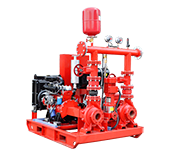
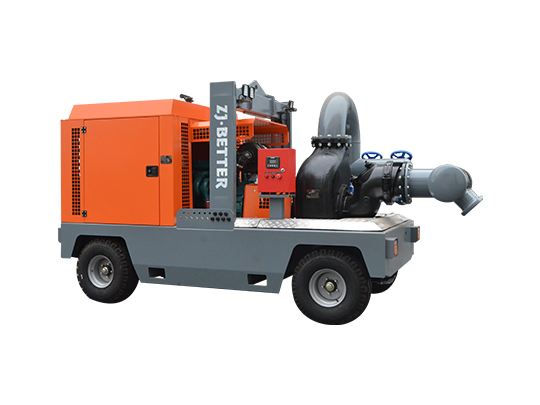
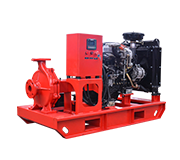
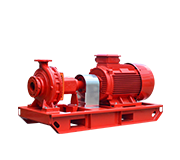
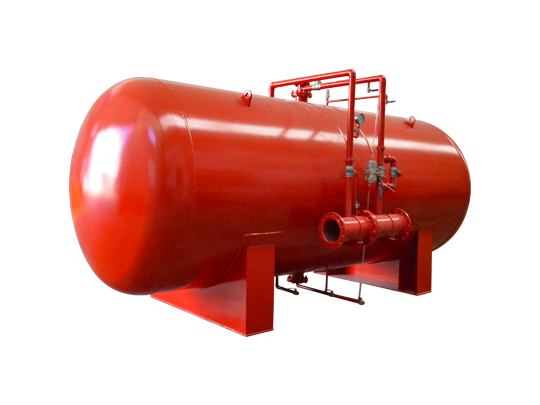
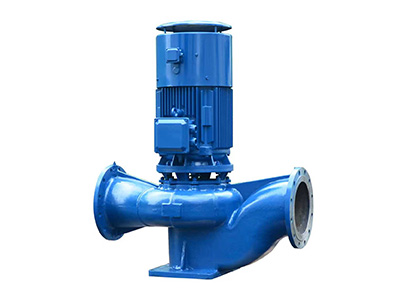

1. Mature Horizontal Structure Facilitates Engineering Integration
The horizontal layout has been proven through long-term practice and has become a common choice in many fire protection projects. Its advantages include a low center of gravity, good stability, and ease of fixed installation on foundations. The inlet and outlet directions of the equipment are clear, making connection with the pipeline network smoother, and construction personnel can quickly complete positioning and connection according to drawings. The mature structural form also makes it easier for design units to perform calculations and layouts during the planning stage, thereby reducing uncertainties.
2. Diverse Hydraulic Performance Meets Diverse Needs
Different buildings have significantly different flow and pressure requirements during firefighting. This type of fire pump, through reasonable impeller design and parameter configuration, can operate within a wide performance range, meeting various applications from general commercial facilities to large industrial sites. Its flexible hydraulic adaptability allows the equipment to find suitable operating points in different projects, enhancing the freedom of design.
3. Stable Output Supports Critical Moments
In the event of a fire, water supply equipment must be put into immediate use and remain stable throughout the entire response process. Horizontal fire pumps, with their reliable mechanical structure and smooth flow channel design, maintain pressure and flow within a controllable range during operation. Stable output provides continuous support for sprinkler systems and fire hydrants, making firefighting operations more efficient.
4. Installation Method Conforms to On-Site Construction Habits
In actual engineering projects, construction efficiency is often closely related to the operability of equipment. The installation method of horizontal pumps is intuitive and straightforward; foundation construction, alignment, and pipeline connections are relatively convenient. Technicians can complete positioning and fixing work in a short time, thereby shortening the overall construction period. This design, conforming to construction habits, makes project implementation smoother. 5. Smooth Operation Reduces System Burden
Through precise dynamic balancing and a well-designed support structure, the equipment maintains low vibration even at high speeds. This stable operation not only reduces the impact on pipelines but also lowers the risk of wear and tear during long-term use. This stability is particularly important for fire protection systems requiring extended standby time.
6. Clear Maintenance Access Improves Management Efficiency
The horizontal layout makes key components easily accessible, facilitating routine inspections and maintenance. Maintenance personnel can quickly complete lubrication, replacement, and testing, improving equipment availability. Clear maintenance paths reduce downtime, creating conditions for continuous system operation.
7. Outstanding Adaptability to Complex Environments
Engineering sites may face various challenges such as temperature variations, humidity fluctuations, and space constraints. This type of fire pump fully considers these factors in material selection and structural design, enabling it to maintain stable performance in different environments. This excellent adaptability enhances the equipment's versatility in various projects.
8. Meets Standards and Acceptance Requirements
Fire protection projects typically require rigorous testing and acceptance. Horizontal fire pumps meet relevant usage requirements in terms of performance indicators and structural form, facilitating a smoother project acceptance process. Reliable performance parameters instill confidence in both designers and owners regarding system operation.
9. Space Reserved for System Expansion
As building functions change, fire protection requirements may increase. The equipment's layout facilitates future upgrades or replacements, providing convenience for subsequent expansion. System adjustments can be completed without large-scale modifications, saving time and costs.
10. Enhanced Overall Project Quality and Image
Standardized equipment layout, clear pipeline connections, and stable operation all reflect the project's professionalism. High-quality fire pumps enhance the entire system, showcasing a positive project image during presentations and evaluations. This comprehensive value is often a crucial consideration when selecting equipment.
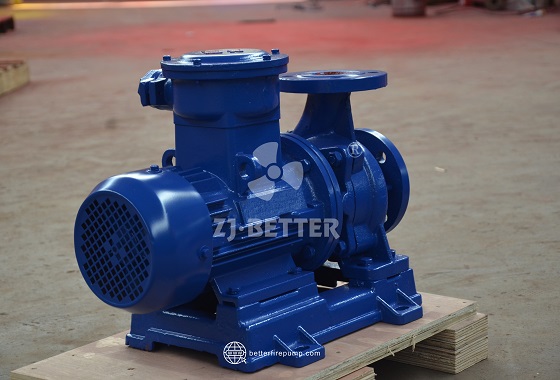
Horizontal fire pumps, meeting engineering application requirements, demonstrate strong practical value in various projects due to their mature and reliable structure, hydraulic adaptability, and convenient installation and maintenance. They not only meet water supply performance requirements but also provide strong support in construction efficiency, operational stability, and long-term management. For fire protection projects that prioritize safety and quality, this type of equipment is undoubtedly a reliable and essential component.
 WhatsApp me