
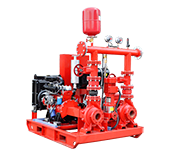
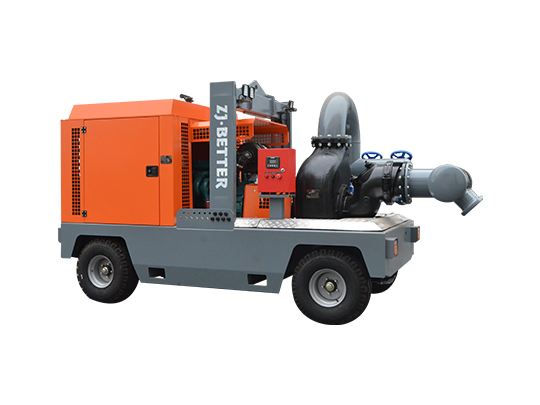
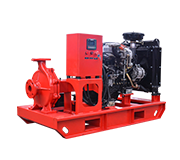
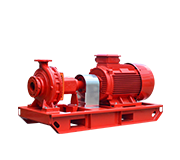
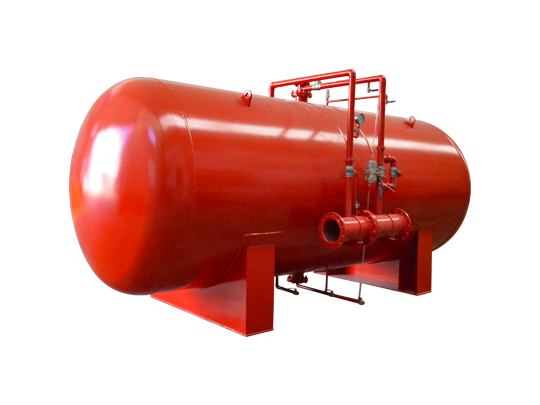
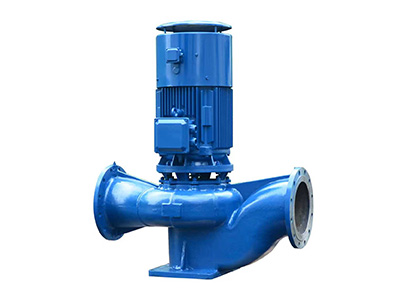

1. The Core Significance of High-Strength Pump Body Structure for Fire Protection System Reliability Fire pumps are often in a long-term standby state in practical applications, but once a fire occurs, the equipment must be put into full-load operation in a very short time. A high-strength pump body structure is the key foundation for ensuring this "ready-to-use and reliable" capability. Through overall thickened design and reasonable stress distribution, the pump body can maintain structural stability under high pressure and high flow rate conditions, avoiding deformation and cracks caused by vibration, stress concentration, or instantaneous impact. This improvement in structural strength not only directly enhances the safety margin of the pump body itself but also indirectly protects key components such as shaft seals, bearings, and impellers, ensuring consistent reliability of the entire fire pump system during long-term operation and emergency start-up.
2. Optimized Casting Process Enhances Overall Pump Body Strength and Consistency
Advanced casting processes play a decisive role in achieving high-strength pump body structures. Through precision casting and strict process control, the internal structure of the pump body becomes denser and more uniform, effectively reducing potential defects such as porosity and sand holes, thus improving structural strength and pressure resistance from the source. The uniform material structure also ensures that the pump body exhibits consistent mechanical properties when subjected to internal water pressure and external mechanical loads, avoiding the formation of local weak points. This improvement in manufacturing process makes the fire pump less prone to fatigue damage during long-term use, providing a solid guarantee for the overall reliability of the system.
3. The Stable Advantages of Thick-Walled Pump Casing Design under High-Pressure Conditions
For the actual needs of high-lift fire protection systems, thick-walled pump casing design has become an important means of improving reliability. The thickened pump casing can not only withstand higher operating pressures but also maintain structural integrity under hydraulic impact and frequent start-stop conditions. Especially in large-scale stationary fire protection systems, pump sets often need to form complex pressure environments with pipe networks and valves. High-strength, thick-walled pump casings can effectively resist instantaneous pressure fluctuations, reducing structural damage caused by pressure shocks. This stability advantage allows fire pumps to maintain reliable operation under various complex conditions, providing continuous and stable water supply support for the fire protection system.
4. The Positive Impact of Pump Body Structural Rigidity on Operational Vibration Control
Fire pumps inevitably generate certain mechanical and hydraulic vibrations during operation, and the rigidity level of the pump body structure directly determines the vibration control effect. High-strength pump bodies, through reasonable reinforcement arrangement and overall structural optimization, effectively improve structural rigidity and reduce the risk of resonance. The reduction in vibration level not only improves the stability of equipment operation but also significantly extends the service life of bearings, couplings, and seals. In the long term, this vibration control capability brought about by the high-strength structure is an important factor in improving the overall reliability of fire pump systems and reducing maintenance costs.
5. The Guarantee Role of Corrosion and Wear Resistance on Pump Body Lifespan
In many fire protection systems, the transported medium is not always clean water; it may contain certain impurities or be in a humid environment for extended periods. High-strength pump bodies are designed with corrosion and wear resistance in mind in material selection and surface treatment. By using suitable metal materials and protective coatings, the pump body's resistance to corrosive media and particle erosion is enhanced. This improved durability allows the pump body to maintain stable structural strength and sealing performance during long-term service, effectively extending the overall service life of the fire pump and reducing system risks caused by corrosion or wear.
6. Indirect Promotion of Sealing Reliability by Improved Structural Strength
The sealing performance of a fire pump is crucial for ensuring the normal operation of the system, and improving the structural strength of the pump body has a significant indirect promoting effect on sealing reliability. High-strength pump bodies are less prone to deformation during operation, providing a stable installation reference for mechanical seals or packing seals and preventing seal failure due to structural deformation. A stable sealing state not only reduces the risk of leakage but also ensures the efficiency and safety of the pump under high-pressure operating conditions, further improving the overall reliability of the fire pump at the system level.
7. Structural Advantages for Adapting to Complex Installation Environments
In actual engineering projects, the installation environment of fire pumps is often complex, potentially involving limited foundation conditions and high pipeline stress. High-strength pump body structures possess stronger resistance to external forces, capable of withstanding additional loads from factors such as pipeline connections and uneven foundations. This structural advantage allows fire pumps to maintain stability under various installation conditions, reducing the impact of changes in the installation environment on equipment reliability and providing greater flexibility for engineering design and construction.
8. Contribution of Long-Term Continuous Operation Capability to System Safety In some industrial sites or key fire protection areas, fire pumps may require periodic trial runs or, under special circumstances, long-term continuous operation. The fatigue resistance exhibited by the high-strength pump body structure during long-term operation allows it to withstand continuous mechanical and thermal stresses without performance degradation. Stable structural performance ensures that the fire pump maintains its design operating conditions during long-term operation, thus providing strong support for the continuous safety of the entire fire protection system.
9. Enhancing System Reliability through Synergy with the Entire Fire Pump Unit Fire pumps are not isolated devices; their reliability is also reflected in their synergistic operation with components such as the motor, base, and control system. The high-strength pump body structure provides a stable core foundation for the entire pump unit, making power transmission smoother and system operation more coordinated. By reducing structural deformation and vibration, high-strength pump bodies help improve the operational consistency and reliability of the entire fire pump unit, ensuring efficient coordination of components and rapid water supply in emergencies.
10. Reliability Value for High-Standard Fire Protection Projects
As fire protection codes and engineering standards continue to improve, the reliability requirements for fire pump products are also constantly being upgraded. The safety margin and stability provided by the high-strength pump body structure enable it to better meet the stringent reliability requirements of high-standard fire protection projects. Whether in large public buildings, industrial parks, or critical infrastructure, this structural advantage translates into higher system safety and lower operational risks, providing users with long-term reliable fire protection.
In conclusion, high-strength pump body structures play an irreplaceable role in improving the overall reliability of fire pump systems. From structural design and material processing to operational stability and system coordination, high-strength pump bodies provide a solid foundation for the safe operation of fire pumps under various complex conditions. It is this high emphasis on structural strength and reliability that enables fire pumps to output stably and continuously supply water at critical moments, making them a reliable core device in modern fire protection systems.
 WhatsApp me