

1. High-Reliability Design Ensures Stable Start-up in Emergency Conditions
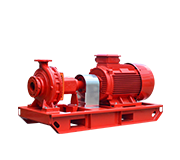
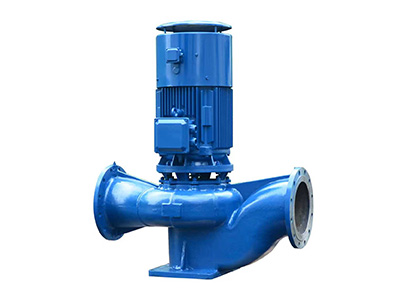
High-reliability electric fire pumps are designed with emergency conditions as the primary goal, emphasizing rapid and stable start-up in the event of a sudden fire. Their motors typically adopt a heavy-duty structure, possessing high starting torque and good heat resistance, enabling instantaneous operation after long periods of standby without starting failure. Simultaneously, the direct-drive structure between the pump body and the motor reduces the probability of failure in intermediate transmission components, making the overall operation more direct and efficient. In practical applications, this structure effectively avoids water supply interruptions caused by belt slippage, coupling failure, and other issues, thus improving system reliability from the source.
2. Stable Flow Output Meets Continuous Firefighting Needs
In emergency water supply scenarios, fire pumps not only need to "start quickly," but also "supply for a long time and stably." High-reliability electric fire pumps focus on optimizing the impeller profile and flow channel structure in their hydraulic design, enabling them to maintain stable flow output characteristics under rated operating conditions. Even with fluctuations in pipeline pressure or changes in water source level, they can maintain a relatively constant water supply capacity. This stability is particularly important for fire hydrant systems, sprinkler systems, and water curtain systems, helping to ensure that the extinguishing medium can continuously cover the fire source area and avoid blind spots in firefighting due to unstable flow.
3. Compact Structure Enhances Overall Equipment Operational Safety
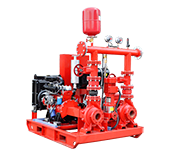
High-reliability electric fire pumps mostly adopt a horizontal direct-drive structure or an integrated base design, integrating the pump body, motor, and foundation frame into a unified module. This structure effectively reduces the need for secondary processing of intermediate foundations during installation and reduces vibration and noise problems caused by installation errors. Meanwhile, the compact design facilitates efficient layout within limited pump room space, ensuring unobstructed ventilation and heat dissipation, thereby extending the continuous operating time of the equipment. Improved structural stability also enhances the safety factor of the entire emergency water supply system.
4. Wear-resistant and Corrosion-resistant Materials Extend Equipment Service Life
In emergency water supply systems, fire pumps often need to remain in standby mode for extended periods, while simultaneously enduring high speeds and hydraulic impacts upon startup. Therefore, their flow-through components are generally made of wear-resistant and corrosion-resistant metal materials or surface-strengthened alloy materials. These materials not only resist erosion from impurities in the water but also maintain stable mechanical properties under varying water quality conditions. Through reasonable material configuration, high-reliability electric fire pumps can significantly extend their overall service life while reducing maintenance frequency, ensuring long-term operation.
5. Low-Maintenance Characteristics Adapt to Long-Term Standby Requirements
A significant characteristic of emergency water supply equipment is its "long-term standby and occasional high-load operation." High-reliability electric fire pumps are designed with this usage pattern in mind, reducing the number of complex and vulnerable components and improving maintainability through standardized component configurations. Its shaft seal structure typically employs mature and reliable sealing methods, preventing leakage and reducing frictional losses. In daily management, only periodic inspections and simple maintenance are required to maintain good operating conditions, avoiding the inability to be used at critical moments due to inadequate maintenance.
6. Synergistic with Control Systems for Automated Emergency Response
In modern fire protection engineering, electric fire pumps usually operate in conjunction with automatic control systems. When pipeline pressure drops or a fire alarm signal is triggered, the control device can automatically issue a start command, enabling the pump unit to quickly enter working condition. High-reliability electric fire pumps are electrically designed to be compatible with multiple control methods, forming a linkage mechanism with pressure switches, level switches, and remote monitoring modules. This automated response capability reduces reliance on manual operation, enabling emergency water supply systems to respond quickly in the early stages of a fire, improving overall disaster prevention efficiency.
7. Adaptable to Diverse Engineering Application Scenarios
High-reliability electric fire pumps are not limited to a single type of building; they have good adaptability in residential communities, commercial complexes, industrial plants, and public facilities. Through reasonable configuration of head, flow rate, and interface size, the design requirements of fire protection systems of different scales can be met. For sprinkler systems requiring continuous water supply, the equipment can maintain stable pressure for extended periods; for fire hydrant systems, it can provide sufficient water volume in a short time. This flexibility makes it a versatile solution for various types of fire protection projects.
8. Reduced Operational Stability Reduces Overall System Risk
In emergency water supply systems, a failure in any single link can amplify into systemic risk. High-reliability electric fire pumps, with their stable mechanical structure and mature hydraulic design, exhibit low vibration amplitude and temperature rise during long-term operation, thus reducing the probability of bearing wear, motor overload, and other problems. Stable equipment operation not only reduces the likelihood of sudden failures but also protects the supporting piping and valve systems from frequent impacts, further enhancing the reliability of the entire fire water supply system.
9. Energy-Saving Characteristics Optimize Long-Term Operating Costs
Although fire pumps are primarily used in emergency situations, some projects still require periodic trial runs or participation in pressure stabilization. High-reliability electric fire pumps are designed with a focus on the matching relationship between the motor and pump body, ensuring high energy conversion efficiency under rated operating conditions. This design not only helps reduce energy consumption during daily testing and operation but also reduces the impact of motor heat generation on equipment lifespan. In the long run, energy-saving characteristics help control operating costs, achieving a balance between safety and economy in emergency water supply systems.
10. Key Equipment Meeting the Development Trends of Fire Protection Engineering
As fire protection engineering develops towards systematization and intelligence, the performance requirements for core equipment are constantly increasing. High-reliability electric fire pumps are an important product type that has emerged in response to this trend. Their comprehensive advantages in stability, automation adaptability, and structural safety make them an important component of modern fixed fire extinguishing systems. Through organic integration with monitoring systems, alarm systems, and water supply networks, these products can quickly take effect during a fire, buying valuable time for personnel evacuation and initial fire suppression.
In conclusion, high-reliability electric fire pumps have irreplaceable application value in the field of emergency water supply. Through stable start-up capability, continuous water supply performance, durable structural design, and good system compatibility, they provide solid power support for fire protection engineering. In modern buildings and industrial facilities, these products not only undertake basic water supply tasks but are also a crucial support for the safe operation of the entire fire protection system. With the continuous improvement of engineering standards, high-reliability electric fire pumps will play a key role in more application scenarios, providing more reliable technical support for fire prevention and control systems.
 WhatsApp me