
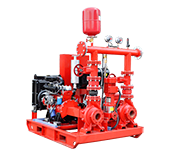
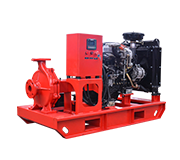

1. Electric Motor Drive for Stable Power
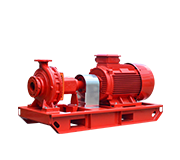
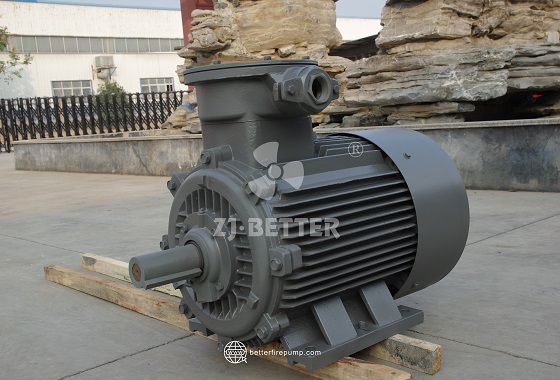
Powered by an electric motor, the pump converts electrical energy into mechanical energy—and subsequently into water pressure—by driving the impeller via the pump shaft. This motor-driven configuration ensures stable operation and provides continuous power support for fixed fire-fighting water supply systems, making it ideal for projects requiring reliable electric drive capabilities.
2. Horizontal Structure for Easy Installation
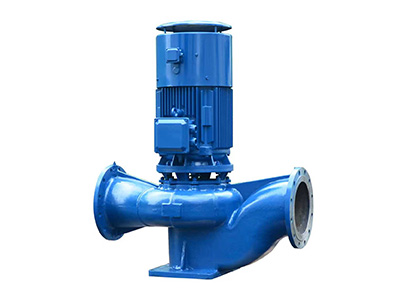
The product features a horizontal layout with the motor and pump body mounted on a stable base, simplifying the connection of inlet and outlet piping. Compared to complex equipment assemblies, this horizontal structure facilitates efficient equipment layout within the pump room and allows for easier inspection, maintenance, and servicing of components.
3. Centrifugal Impeller for Efficient Water Delivery
The impeller is a key component for pressure boosting and water delivery. Driven by the motor at high speeds, the water gains energy through centrifugal force; the pump's flow passages then convert a portion of this velocity energy into pressure energy, generating the continuous pressure required for fire-fighting water supply.
4. Flexible Matching of Flow and Head
Different building and industrial projects have varying requirements regarding fire-fighting flow rates, pressure heads, and pipe diameters; therefore, the appropriate model must be selected based on specific design parameters. The horizontal electric fire pump series covers flow rates of 1–300 L/s, pressure heads of 0.15–1.6 MPa, and port diameters of 25–500 mm, allowing for selection tailored to project needs.
5. High-Concentricity Shaft for Smoother Operation
Maintaining excellent concentricity between the pump shaft and the motor helps minimize eccentricity, vibration, and unnecessary mechanical losses during operation. This optimized shaft design improves the equipment's operating condition, providing a solid mechanical foundation for long-term stability and ease of routine maintenance. 6. Mechanical seal for reduced leakage risk
The equipment utilizes a mechanical seal structure to effectively seal the pump shaft area. Depending on operating conditions and configuration requirements, sealing components can be made from materials such as stainless steel, tungsten carbide, and media-resistant rubber; this helps minimize fluid leakage during operation while ensuring wear resistance and a long service life.
7. Optimized structure for convenient operation and inspection
The pump casing can be fitted with pressure gauge ports to monitor operating pressure; an air release device facilitates the venting of air from the pump chamber, while a drainage structure allows for the easy removal of internal fluid during maintenance or prolonged shutdowns. These design features simplify pre-start inspections and routine maintenance tasks.
8. Stable pressure supply to meet fire protection network requirements
Fire pumps must be configured according to the design flow rate and pressure of the fire protection network. By properly matching the pump model, impeller specifications, and motor power, the pump provides the necessary hydraulic support for fixed fire protection systems—such as fire hydrants and automatic sprinklers—helping to maintain the required operating pressure within the network.
9. Suitable for diverse fire water supply scenarios
Horizontal electric fire pumps are applicable to fixed fire hydrant systems, automatic sprinkler systems, and fire water supply projects for buildings, industrial facilities, and municipal infrastructure. Product selection can be tailored to specific scenarios—such as factories, warehouses, and commercial buildings—based on actual fire water demand, network pressure, and installation conditions.
10. Easy maintenance and simplified management
The horizontal configuration provides a clear layout of the motor, pump casing, shaft, and sealing components, enabling professionals to conduct regular inspections based on the equipment's operating status. Auxiliary features such as pressure monitoring, air venting, and drainage facilitate maintenance, helping to ensure the fire pump remains in optimal operating condition over the long term.
High-performance horizontal fire pumps deliver stable fire water supply through a combination of motor drive, centrifugal impellers, a well-designed shaft system, and reliable sealing structures. Their horizontal layout facilitates installation and maintenance, and models can be selected to meet specific project requirements regarding flow rate, head, port size, and power. For fixed fire water supply systems, a properly configured horizontal electric fire pump provides continuous, stable hydraulic support for the fire protection network.
 WhatsApp me