
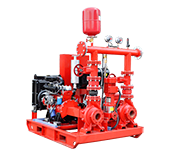
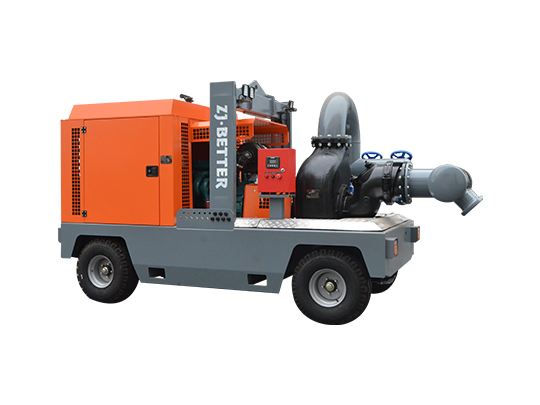
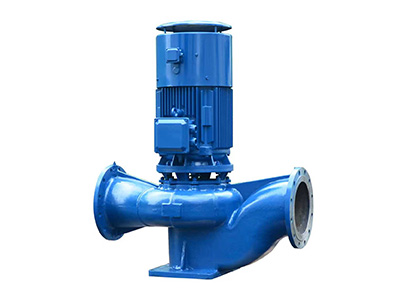

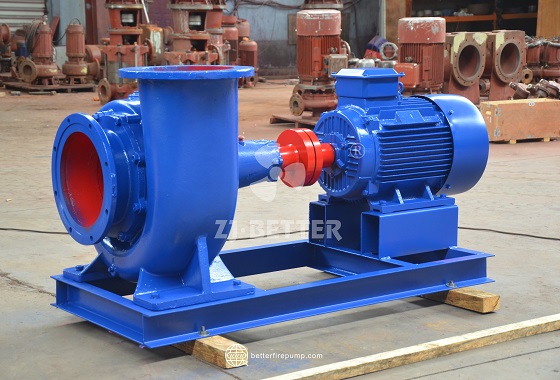
1. Characteristics of Fire Pumps Suitable for Large-Scale Buildings High-lift fire pumps are specifically designed to meet the high water pressure and high flow rate requirements of large-scale buildings. These buildings typically include high-rise buildings, hospitals, hotels, shopping malls, etc., whose fire protection system design requirements are far more complex than those of ordinary residential buildings. High-lift fire pumps can provide uniform water pressure across different levels and locations within a building, ensuring that the fire protection system can be activated and operated promptly and effectively in the event of a fire. They can cope with special factors such as building height and dense space, providing strong protection for the building's fire safety.
2. Working Principle of High-Lift Fire Pumps
High-lift fire pumps use an electric motor to drive an impeller, which generates centrifugal force that compresses water into the pump body. The water is then delivered through pipelines to fire hydrants, sprinkler systems, and other equipment. Its working principle is based on fluid dynamics principles. The pump body's internal hydraulic design minimizes energy loss during operation. The higher the pump's head, the greater the power it must provide, ensuring the water pressure achieves the desired fire extinguishing effect. High-lift fire pumps typically employ a multi-stage pump design, progressively increasing water pressure, making them suitable for locations requiring higher pressure.
3. Design Advantages of High-Lift Fire Pumps
High-lift fire pumps feature a compact design, providing sufficient water pressure and flow within limited space. In multi-story buildings, fire pumps need to operate continuously and stably to ensure the normal operation of the entire system. Compared to traditional low-lift pumps, high-lift fire pumps, through optimized design, achieve more efficient hydraulic output. Their main features include high efficiency, multi-stage pressurization, and low energy consumption. Furthermore, the optimized configuration of the pump body and motor ensures stable operation even under extreme conditions, guaranteeing the safety of the building's fire protection system.
4. Durability and Corrosion Resistance High-lift fire pumps often face challenges such as humidity and corrosion in their operating environments, making material selection crucial. High-quality fire pumps typically utilize highly corrosion-resistant materials like stainless steel and cast iron, which not only extends the equipment's lifespan but also effectively prevents water impurities from corroding it. The motor section features a waterproof and corrosion-resistant coating, ensuring stable operation even in harsh environments. These durable designs reduce the failure rate and maintenance costs of high-lift fire pumps over long-term operation.
5. Reliability and Safety of Fire Pumps Reliability is one of the most important characteristics of high-lift fire pumps. Especially in emergency fire situations, fire pumps must be able to start immediately and operate stably. To improve reliability, all components of the fire pump undergo rigorous quality testing, with the motor, pump body, and seals possessing high strength and durability. In emergencies, the fire pump can respond quickly and instantly reach the required flow rate and water pressure, ensuring the normal operation of the fire extinguishing system. Its design ensures emergency manual control even in the event of system malfunctions, guaranteeing the continuity of firefighting operations.
6. Energy Saving and High-Efficiency Operation
High-lift fire pumps are designed with energy saving and efficiency in mind, employing high-efficiency motors and fluid dynamics to minimize energy consumption while maintaining flow rate and head. This energy-saving design not only reduces user operating costs but also reduces pressure on the power grid, contributing to environmental protection. The high-efficiency operating characteristics allow high-lift fire pumps to maintain low energy consumption over extended periods, significantly improving the equipment's economic benefits and sustainability.
7. Easy Installation and Maintenance
The structural design of high-lift fire pumps not only emphasizes performance but also prioritizes ease of installation and maintenance. In terms of installation, its design conforms to modern fire protection system standards, allowing for quick connection to fire pipelines, reducing construction time and costs. During later maintenance, various components such as impellers and seals can be easily replaced and repaired. The simplified connection between the pump body and motor streamlines the disassembly process, making equipment maintenance less cumbersome and reducing maintenance costs and personnel workload.
8. Multiple Drive Options
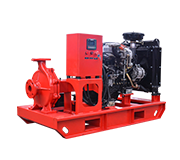
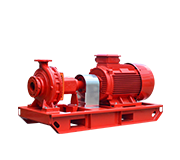
Depending on different applications and needs, high-lift fire pumps offer a variety of drive options, including electric drive and diesel engine drive. Electric drive is suitable for areas with a stable power supply, while diesel engine drive is suitable for emergencies without power or during power outages. Both have their advantages, allowing for flexible selection based on specific circumstances to ensure the fire protection system functions normally under any conditions.
9. Wide Range of Applications
High-lift fire pumps are not only suitable for the fire protection needs of large-scale buildings but are also widely used in industrial parks, warehouses, shopping malls, hospitals, schools, and many other fields. With the acceleration of urbanization, more and more high-rise buildings and commercial complexes require high-lift fire pumps to meet the water pressure requirements of fire protection systems. Furthermore, in some special locations, such as petrochemical plants and power plants, the requirements for high lift and high flow rates of fire pumps are even more prominent, leading to a growing demand for high-lift fire pumps in the industrial sector.
10. Intelligent Control and Remote Monitoring
Modern high-lift fire pumps are also equipped with an intelligent control system that can monitor the pump's operating status and performance indicators in real time and operate it through a remote control system. This intelligent function enables fire pumps not only to operate automatically but also to be remotely adjusted and diagnosed, facilitating the timely detection and handling of potential problems. The application of the intelligent control system enhances the automation level of fire pumps, reduces manual intervention, and improves system response speed and efficiency.
High-lift fire pumps, with their superior design performance and reliable operating characteristics, have become indispensable fire protection equipment in modern large-scale buildings and complex locations. Whether in high-rise buildings, underground projects, or special industry applications, high-lift fire pumps play an outstanding role. Through high efficiency, energy saving, strong adaptability, and reliable operation, high-lift fire pumps provide safer fire protection for modern society, helping various buildings to quickly and effectively extinguish fires in the event of an incident.
 WhatsApp me