

1. Integrated Design Reduces On-Site Coordination
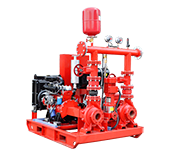
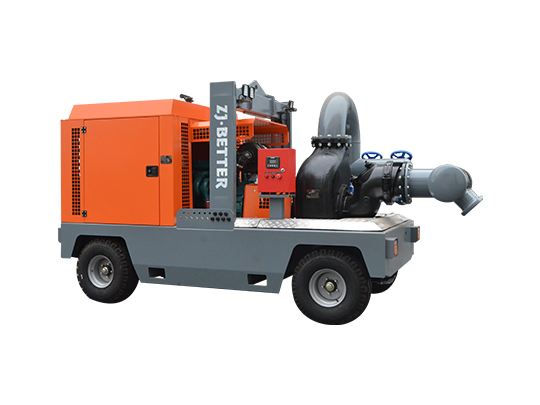
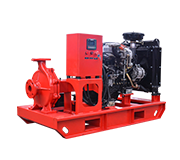
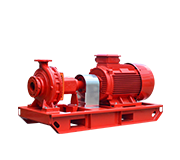
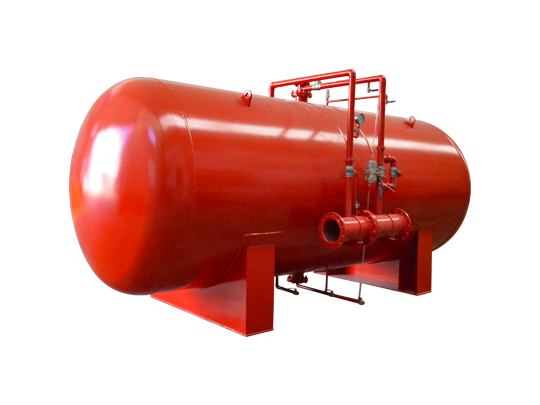
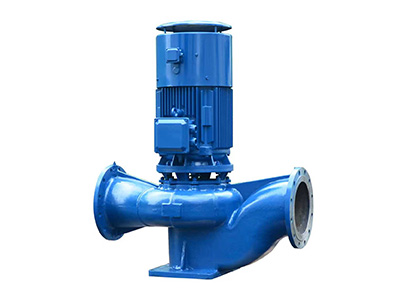
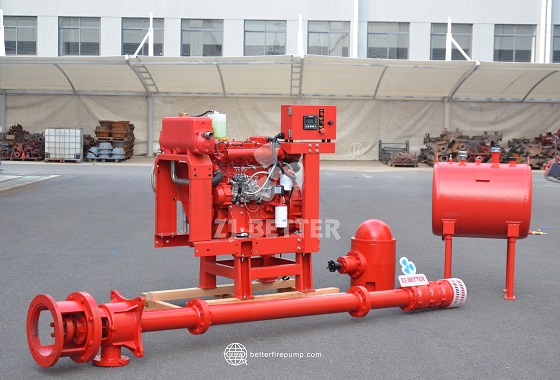
A complete and integrated fire pump system is supplied with the pump body, power unit, control unit, and main connecting pipelines uniformly planned. Construction units no longer need to repeatedly confirm and match components from different sources, significantly reducing on-site communication and coordination costs. Through systematic integration completed in advance, the interface relationships between equipment are clearer, the installation sequence is more defined, which helps standardize the construction process and improve overall project efficiency.
2. Unified Configuration Enhances System Compatibility
When all functional modules are configured within the same system, their operating logic and performance parameters are more likely to remain consistent. A complete and integrated fire pump system, through a unified technical framework, ensures coordinated power output, pressure build-up, and monitoring feedback, avoiding operational obstacles caused by inconsistencies in equipment standards. This compatibility is particularly important for large or complex fire protection projects, effectively reducing system integration risks.
3. Simplified Installation Process and Shortened Construction Period: During project implementation, installation time often directly impacts the overall delivery schedule. A complete and integrated fire pump system moves a significant amount of pre-assembly work to the production stage, requiring only foundation fixing and external connections on-site. Fewer installation steps and reduced construction difficulty allow projects to complete key milestones in a shorter time, providing more time for subsequent commissioning and acceptance.
4. Clear System Structure Facilitates Construction Management: A complete and integrated system means a clearer system structure and a more rational distribution of functional units. Construction and management personnel can quickly understand the working principles and connection methods of the equipment, facilitating quality control during implementation. A clear structure also reduces issues such as misconnections and omissions, improving installation accuracy and laying the foundation for stable system operation.
5. Reduced Risks from Human Error: In the case of assembling multiple devices, even minor deviations can affect the final operational performance. A complete and integrated fire pump system, through unified production and commissioning, significantly reduces on-site manual assembly, lowering the probability of human error from the outset. Once the equipment arrives on-site, it can be installed according to the established plan, significantly improving overall reliability.
6. Improved Commissioning Efficiency for Rapid Deployment
Because all components of the system have been matched and verified, commissioning is typically smoother. On-site engineers only need to make necessary adjustments based on the actual pipeline network to complete the overall testing. The efficient commissioning process helps projects reach operational status faster, providing strong support for fire safety acceptance and formal commissioning.
7. Facilitates Later Maintenance and Unified Management
The complete and integrated fire pump system considers later maintenance needs during the design phase. The relationships between modules are clear, technical documentation is unified, and maintenance personnel can quickly locate and handle problems. Unified configuration also simplifies spare parts management, helps establish standardized maintenance procedures, and enhances the long-term value of the system.
8. Suitable for Engineering Applications of Different Scales
Whether for small and medium-sized buildings or large industrial facilities, the complete and integrated fire pump system can be flexibly combined according to needs. Standardized configuration makes the equipment more adaptable to different project conditions while ensuring consistent operational quality. This combination of flexibility and stability makes it widely applicable in various engineering projects.
9. Enhanced System Operational Reliability Expectations
Based on unified design and production, equipment performance is more predictable. Project owners can plan based on clear parameters, reducing operational uncertainties. Stable and predictable performance not only benefits daily management but also provides confidence in reliable operation during emergencies.
10. Provides Crucial Support for Smooth Project Delivery
Fire protection systems are often a key focus of project acceptance. A complete and integrated fire pump system simplifies installation, accelerates commissioning, and enhances stability, creating favorable conditions for on-time project delivery. Reliable equipment and a clear structure facilitate a smooth acceptance process, effectively controlling overall project risks.
Overall, a complete and integrated fire pump system, through unified design, centralized integration, and pre-matching, significantly facilitates project implementation. It not only shortens the construction cycle and reduces installation and commissioning difficulties but also enhances operational reliability by improving system consistency. In modern fire protection engineering, which prioritizes both efficiency and safety, this type of system is becoming an important choice for an increasing number of projects, providing a solid guarantee for smooth implementation and long-term stable operation.
 WhatsApp me