
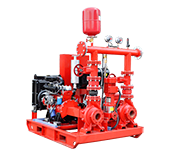
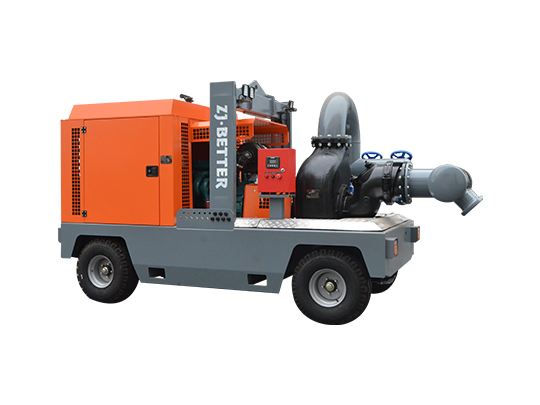
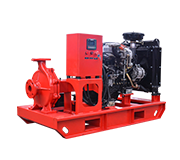
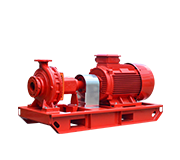

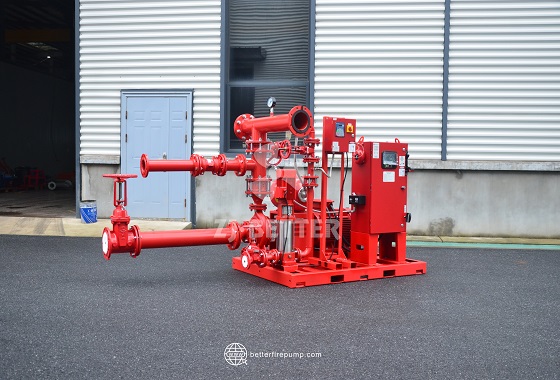
1. Multi-pipe interface structural design enhances system connection flexibility. One of the core advantages of multi-pipe interface fire pump units lies in their rational and professional interface layout design. To address the common requirements of modern fire protection systems for multiple inlets, outlets, and backup circuits, the unit incorporates multiple standard interface locations during the pump body and piping integration phase. This allows for simultaneous connection to different functional pipelines, including main fire protection pipes, backup pipes, test circuits, and pressure relief circuits. This structural design effectively avoids the complexity and safety hazards associated with later secondary modifications, enabling high integration of the fire protection system during the overall planning stage. The multiple interfaces not only increase the flexibility of pipe connections but also provide ample space for system expansion, zoned water supply, and functional upgrades, making it particularly suitable for projects with complex fire protection system structures and densely intersecting pipelines.
2. Adapting to Complex Fire Protection System Layouts and Meeting Multi-Scenario Application Needs
In large buildings and industrial facilities, fire protection systems often need to cover multiple functional areas, such as production areas, storage areas, office areas, and underground spaces. Different areas have significantly different requirements for water supply pressure and flow. The multi-pipeline interface fire pump unit, through the rational allocation of multiple outlet interfaces, can achieve independent or tiered water supply to different areas, ensuring more precise and reliable system operation. Whether for vertical zoning water supply in high-rise buildings or horizontal zoning water supply in large factories, this type of unit can flexibly match system layout requirements, ensuring that each protected area receives sufficient and stable fire-fighting water during a fire, significantly improving the overall response efficiency of the fire protection system.
3. High-strength pump body and piping configuration ensure long-term stable operation. The multi-pipeline interface fire pump unit fully considers the requirements of high strength, high pressure resistance, and long-term operational reliability in the selection of pump body and piping materials. The pump body typically adopts a high-strength casting or welding structure, possessing excellent impact and deformation resistance; the interfaces and piping are made of corrosion-resistant and high-pressure-resistant materials, maintaining stable performance under high-load conditions. To address potential pressure fluctuations in complex systems, the unit's structural design optimizes flow channels and interface positions, reducing hydraulic losses and eddy currents, fundamentally improving the overall operational stability and service life, meeting the stringent requirements of long-term on-duty fire protection systems.
4. Stable flow and pressure output ensure reliable fire extinguishing effect. In fire protection systems, stable flow and pressure are key factors in ensuring effective fire extinguishing. Multi-pipeline interface fire pump units are designed with multi-port operating conditions in mind. Through scientific hydraulic calculations and reasonable pump type matching, they ensure stable flow output and pressure levels even when multiple pipelines are operating simultaneously. Even when multiple pipelines are open simultaneously or the system load changes abruptly, the unit can quickly adapt to changes in operating conditions, avoiding the risks of insufficient water supply or sudden pressure drops, and providing continuous and reliable water support for fire sprinkler systems, fire hydrants, and other systems.
5. Integrated Design Concept, Simplifying System Installation and Maintenance Multi-pipeline interface fire pump units adopt a highly integrated design concept, rationally arranging and installing the pump body, pipelines, valves, and related accessories as a whole, effectively reducing on-site construction workload. The multiple interfaces have undergone standardized processing and testing before leaving the factory; on-site connection only requires following the design drawings, significantly shortening the installation cycle and reducing human error. At the same time, clear pipeline routing and interface markings provide convenient conditions for later maintenance and inspection, enabling maintenance personnel to quickly locate each functional loop, improving system maintenance efficiency and reducing long-term operating costs.
6. Compatible with Multiple Fire Protection System Standards, Enhancing Project Applicability: Different regions and building types often require adherence to relevant fire protection codes and technical standards in their fire protection system design. Multi-pipe interface fire pump units fully consider the configuration requirements of various common fire protection systems in terms of interface specifications, pressure ratings, and structural forms, possessing excellent compatibility and versatility. Whether it's a fire hydrant system, automatic sprinkler system, or other auxiliary fire water supply system, the unit can achieve efficient connection through reasonable configuration, helping projects meet regulatory requirements while improving the overall reliability and safety of the system.
7. Excellent System Redundancy Design, Enhancing Fire Safety Assurance: The reliability of a fire protection system depends not only on the performance of individual devices but also on the redundancy and stability of the overall system. Multi-pipe interface fire pump units, through their multi-port design, can easily achieve parallel connection or switching between the main water supply and backup water supply circuits. In the event of an anomaly in the main circuit, the backup circuit can be quickly activated, ensuring uninterrupted fire water supply. This redundancy design significantly improves the system's safety factor, making it particularly suitable for key projects and important buildings with extremely high fire reliability requirements.
8. Customizable Configuration Capabilities for Complex Engineering Projects
In practical engineering applications, different projects vary significantly in terms of spatial layout, piping routing, and system scale. Multi-pipeline interface fire pump units, with their flexible interface combinations, can be customized to meet the specific application conditions of different projects. By rationally selecting the number, location, and functional allocation of interfaces, the unit can better integrate into the overall fire protection system design, avoiding system performance limitations caused by insufficient equipment compatibility, and providing more targeted fire water supply solutions for engineering projects.
9. Optimized Hydraulic Performance and Reduced System Energy Consumption
Reducing system energy consumption is also an important goal of modern engineering design, while ensuring fire safety. Multi-pipeline interface fire pump units, through optimized internal flow channel structure and interface layout, effectively reduce water flow resistance and energy loss, enabling the pump unit to maintain high operating efficiency while meeting the needs of multiple loop water supply. This optimization not only helps reduce energy costs during long-term operation but also reduces heat generation and wear during equipment operation, further extending the overall service life of the unit.
10. Widely Applicable Engineering Value, Enhancing the Overall Quality of Fire Protection Systems
In summary, multi-pipeline fire pump units, with their advantages of flexible structure, stable performance, and strong adaptability, demonstrate significant engineering value in various complex fire protection systems. They not only solve the technical challenges of multi-pipeline connections but also improve the overall reliability and safety of the system, providing a more robust fire protection guarantee for buildings and facilities. In modern engineering construction pursuing high standards of fire safety, these units have become indispensable and crucial equipment.
Multi-pipeline fire pump units, with their professional structural design and excellent system adaptability, provide reliable guarantees for the stable operation of complex fire protection systems. Through flexible interface configurations, stable water supply performance, and highly integrated overall design, these devices effectively meet the diverse needs of modern buildings and engineering projects for fire water supply systems. Against the backdrop of continuously increasing fire safety requirements, choosing fire pump units with multi-pipeline advantages not only improves system operating efficiency but also builds a more solid defense for life and property safety.
 WhatsApp me