
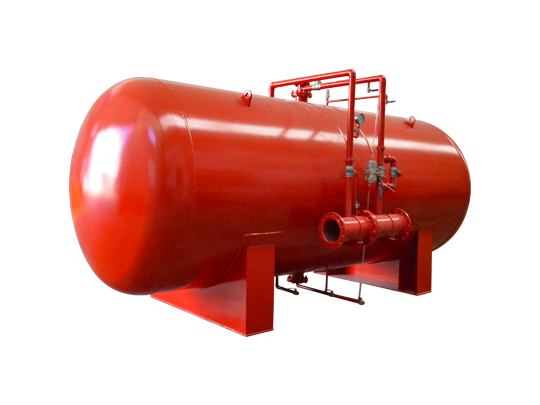
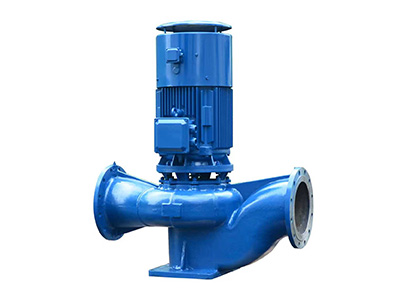

1. Independent Power System Eliminates Power Grid Dependence, Ensuring Immediate Operation in Emergency Situations
One of the biggest advantages of diesel-powered fire pump systems is their completely independent power source. The equipment uses a high-performance diesel engine to drive the water pumps, eliminating the need for an external power grid. Even in areas with power outages, unstable voltage, damaged power distribution systems, or no power supply, it can still quickly provide fire-fighting water. This independent operation capability is particularly important for remote mountainous areas, water conservancy facilities, temporary construction sites, logistics parks, and oilfields. In the event of a fire, time determines the extent of the damage. Traditional electric pump sets, in the event of a power outage, require waiting for backup power, potentially delaying crucial response time. The diesel-powered system, however, can quickly ignite and operate via an automatic start-up device, establishing water pressure within seconds to continuously supply water to fire sprinklers, fire hydrants, and fire monitor systems. Its stable and reliable power output significantly improves the overall safety level of the fire protection system.
2. High-torque diesel engine delivers strong power to meet high-flow-rate water supply needs
In emergency situations, fire protection systems often require a large flow rate and high head of water to cover multi-point fire suppression, long-distance water delivery, and high-rise building pressure supply needs within a short period. Diesel-powered fire pump systems are equipped with industrial-grade engines, featuring low-speed, high-torque output characteristics, enabling continuous and stable operation under heavy loads. Compared to conventional power equipment, diesel engines respond faster to complex load changes, maintaining a stable water supply even with water pressure fluctuations or simultaneous operation of multiple branches. By combining with high-efficiency centrifugal pumps, dual-suction pumps, or multi-stage pumps, different flow rate and head configurations can be achieved according to project requirements, making them widely applicable to warehousing centers, industrial plants, airports, docks, large shopping malls, and municipal fire protection systems. Powerful performance not only translates to improved fire extinguishing efficiency but also represents higher system redundancy. Even when a fire escalates or its duration increases, the diesel-powered pump set can maintain continuous output, buying valuable time for professional fire rescue.
3. Automated Control Systems Enhance Emergency Response Speed and Operational Reliability
Modern diesel-powered fire pump systems are no longer limited to traditional mechanical start-up modes but have been fully upgraded to intelligent control architectures. The system typically features an automatic control cabinet that can monitor key parameters in real time, such as pipeline pressure, water tank level, engine status, battery voltage, oil pressure, water temperature, and operating speed. Once the fire hydrant pressure drops to the set value, the equipment can automatically identify and complete the startup process. The automated control system reduces the burden of manual monitoring and avoids human error in emergencies. The automatic startup function is particularly crucial for locations with no staff on duty at night or where personnel are dispersed. The system also supports manual/automatic dual-mode switching, maintaining operational flexibility during commissioning, maintenance, or special operating conditions. Some high-configuration models also have remote communication interfaces, allowing connection to building management systems or fire monitoring platforms for centralized management, fault alarms, and remote status monitoring, significantly improving the level of intelligent fire management in modern projects.
4. Compact and Integrated Design for More Efficient and Convenient Installation and Deployment
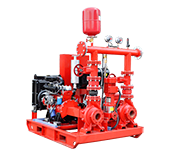
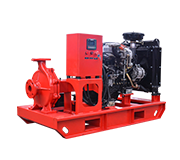
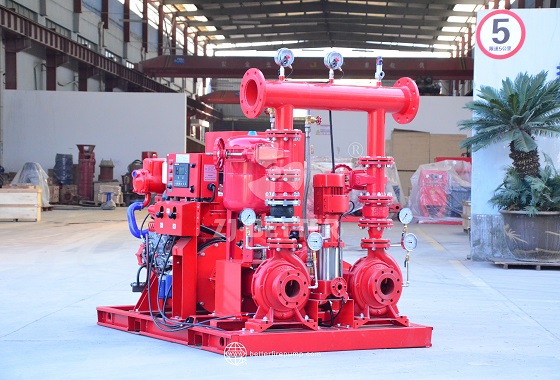
Diesel-powered fire pump systems typically adopt a base-mounted integrated structure, integrating the engine, pump, coupling, control cabinet, fuel tank, cooling system, and vibration damping devices into a single unit. This structural form not only saves installation space but also significantly reduces on-site construction complexity. For building projects with limited machine room space, the compact layout improves space utilization and facilitates future maintenance access planning. For temporary projects or projects requiring rapid delivery, integrated equipment allows for quick on-site positioning, installation, commissioning, and operation, significantly shortening the construction cycle. Furthermore, the integrated steel base provides excellent load-bearing capacity and stability, effectively reducing vibration during operation. After anti-corrosion coating treatment, it can withstand complex environments such as humidity, high temperatures, and dust. The integrated structure not only improves the cleanliness of the appearance but also reflects the trend of high-efficiency delivery of modern fire protection equipment.
5. Adaptable to Harsh Environments, Meeting the Needs of Outdoor and Special Area Use
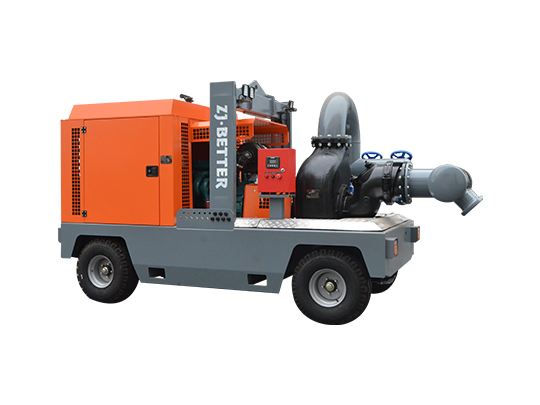
Many fire hazard locations lack standard machine room conditions, such as mining areas, oil depots, ports, chemical plants, forest areas, hydropower stations, and field construction areas. These environments often involve high temperatures, low temperatures, dust, humidity, salt spray, or vibration, placing higher demands on equipment reliability. The diesel-powered fire pump system is reinforced for these conditions. The engine has excellent environmental adaptability and can start and operate stably over a wide temperature range; the protective casing and industrial-grade control system reduce the impact of the external environment on core components; the enhanced cooling system ensures that it does not overheat during prolonged operation; and corrosion-resistant materials and surface treatment technologies extend the equipment's service life. For this reason, this system is widely used in island facilities, border stations, mountain warehouses, and high-risk industrial areas, providing continuous and reliable fire-fighting water supply in areas with insufficient power grid coverage or complex environments.
6. Strong Continuous Operation Capability, Suitable for Long-Term Firefighting Missions
Some large-scale fire incidents have long response cycles, especially in warehousing and logistics centers, chemical tank areas, timber processing plants, and large factories, where firefighting missions may last for hours or even longer. In such cases, the equipment's ability to operate stably for extended periods directly determines the fire protection system's continuous operational capability. Diesel-powered fire pump systems, driven by fuel, can operate continuously by replenishing diesel fuel, unaffected by battery capacity or external power grid load limitations. The engine is optimized for continuous operation, featuring stable heat dissipation, low wear, and high reliability, making it suitable for long-cycle operation. Simultaneously, the large-capacity fuel tank design supports long-term standby and continuous water supply, reducing frequent refueling in emergencies. For key fire prevention units, this continuous operation advantage significantly enhances emergency response capabilities, making it an important choice for fire protection configurations in large projects.
7. Highly Efficient and Stable Pump Performance, Ensuring Water Delivery Efficiency and System Pressure
The core value of a diesel-powered system lies not only in its power source but also in its effective matching with high-performance fire pumps. High-quality fire pumps utilize advanced hydraulic model design, featuring high efficiency, low NPSH, wide flow range, and stable pressure, maintaining excellent water delivery performance under various operating conditions. Whether it's a single-stage centrifugal pump, a double-suction split-case pump, or a multi-stage booster pump, customized configurations can be tailored to different projects. For long-distance water supply needs in high-rise buildings, high-head solutions can be selected; for fire protection needs in large-area factory areas, high-flow solutions can be configured; for complex multi-zone systems, combined designs can be adopted. Stable pump performance ensures sufficient pressure at the sprinkler terminals, stable water output from fire hydrants, and adequate fire monitor range, fundamentally improving firefighting effectiveness. The efficient matching of power and pump body is a key foundation for the reliable operation of the entire system.
8. Convenient Maintenance, Reducing Later Operation and Management Costs
Diesel-powered fire pump systems typically take into full consideration later maintenance needs during the design phase. The layout of major components is clear, with easy access to engine maintenance points, filter replacement locations, lubrication inspection ports, and control cabinet maintenance areas, reducing maintenance difficulty and downtime. Routine maintenance mainly includes oil checks, battery testing, fuel management, coolant checks, and periodic trial runs. Operating procedures are clearly defined and easy for management personnel to master. Compared to complex large-scale backup power systems, the diesel pump set's overall maintenance chain is more direct, and fault diagnosis is clearer. Furthermore, a mature engine system means stable parts supply and abundant maintenance resources, enabling rapid maintenance and fault recovery. For long-term operational projects, ease of maintenance directly affects equipment availability and total cost of ownership; therefore, diesel-powered fire pump systems offer significant economic management advantages.
9. Wide Range of Applications, Meeting Fire Safety Needs Across Multiple Industries
Diesel-powered fire pump systems are not limited to a single industry but serve a wide range of fire safety scenarios. In the industrial sector, they can be used in chemical plants, power plants, manufacturing bases, and warehousing parks; in the construction sector, they can serve as backup fire water sources for high-rise buildings, commercial complexes, hotels, and hospitals; and in the infrastructure sector, they can be applied to airports, ports, railway stations, and data centers. For newly constructed projects without a stable power supply, it can serve as the primary temporary fire-fighting water supply equipment; for mature projects with existing electric fire-fighting systems, it can serve as a backup pump unit, improving system redundancy. In remote areas and special locations, it can be directly used as the main fire pump for long-term operation. This wide applicability demonstrates the strong market demand and engineering value of diesel-powered fire pump systems, making them an important component of modern fire protection construction.
10. Aligns with Modern Fire Protection Construction Trends, Enhancing Project's Overall Competitiveness
Currently, various building and industrial projects face increasingly stringent requirements in fire safety acceptance, risk management, and insurance assessment. A single power supply-driven mode is no longer sufficient to meet high-standard safety demands. Configuring a diesel-powered fire pump system signifies a higher level of emergency water supply capability for the project and reflects the developer's emphasis on safety investment. For real estate developers, industrial enterprises, and public facility operators, a highly reliable fire protection system is not only related to safety responsibility but also affects asset value, operational continuity, and social image. As a backup or independent fire protection device, a diesel-powered fire pump system can significantly enhance the overall competitiveness of the project. With the continuous development of intelligent control, energy-saving optimization, and modular design, diesel-powered fire pump systems will play a crucial role in more industries and become an important configuration direction for high-standard fire protection systems.
The need for fire protection outside the constraints of the power grid is driving diesel-powered fire pump systems to become the preferred choice for an increasing number of projects. With its multiple advantages, including independent power, rapid start-up, continuous operation, efficient water supply, strong environmental adaptability, and convenient maintenance, it provides stable and reliable fire water supply support for complex working conditions and critical locations. Whether used as primary fire protection equipment or as a backup emergency pump set, this system demonstrates extremely high practical value and engineering significance. In today's increasingly stringent fire safety requirements, choosing a reliable and rationally configured diesel-powered fire pump system will build a more robust, efficient, and safer fire protection system for projects.
 WhatsApp me