
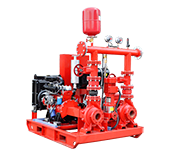
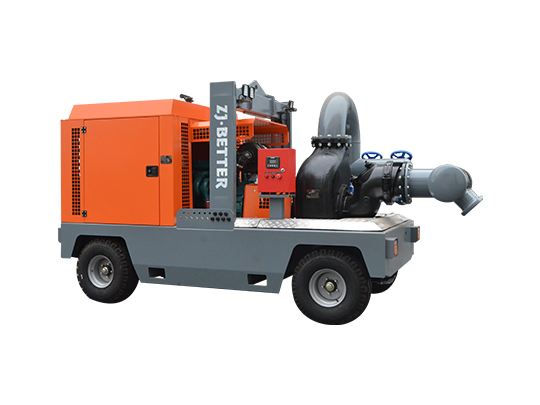
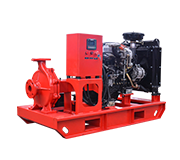
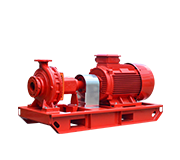

In modern building fire water supply systems, automatic fire pump sets play a crucial role in emergency water supply and are the core driving force of the entire fire suppression system. Whether in high-rise buildings, industrial plants, commercial complexes, or municipal facilities, reliable fire water supply is fundamental to ensuring safety. Automatic fire pump sets, with their high efficiency, stability, and rapid response, provide reliable fire water supply for various complex scenarios. This article will provide a comprehensive analysis of the structural characteristics, technical advantages, and selection points of automatic fire pump sets, helping users to deeply understand product performance and make the optimal choice.
1. Core Functions and Technical Advantages of the Automated Control System
The most significant feature of automatic fire pump sets lies in their integrated intelligent automatic control system. This control system achieves automatic start-stop functionality through core components such as pressure sensors, flow monitors, and intelligent controllers. When the system pressure drops to a set value, the pump set immediately starts, ensuring the fire protection system receives a stable water source immediately; when the pressure recovers, it automatically shuts down, effectively avoiding energy waste.
Modern control systems generally employ PLC or microprocessor control architectures, offering advantages such as self-diagnosis, self-protection, and real-time monitoring. They can monitor motor temperature, phase sequence, voltage, and current in real time, automatically triggering alarms or taking protective measures in case of abnormalities. Furthermore, automated systems support remote monitoring and control, allowing real-time monitoring of pump unit operation through a fire control center or back-end monitoring system, significantly improving the reliability and management efficiency of fire protection systems.
2. High-Performance Pump Body Structure Design Ensures Stable Output
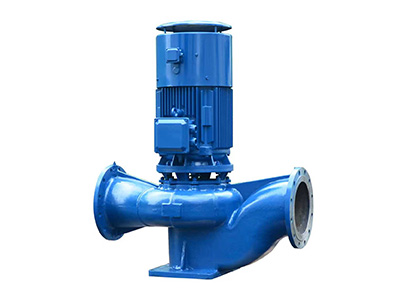
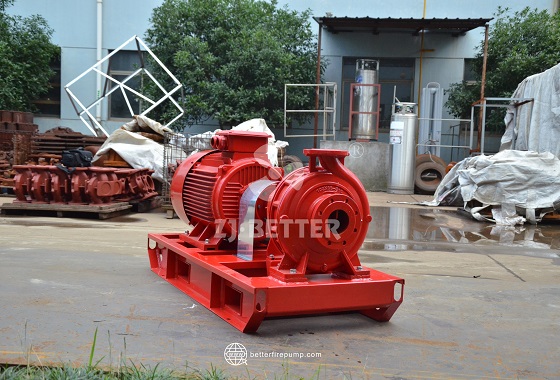
Automatic fire pump sets typically employ a horizontal or vertical centrifugal pump design, offering advantages such as high efficiency, compact structure, and ease of maintenance. The pump body is made of corrosion-resistant cast iron or ductile iron, ensuring long-term corrosion resistance. The impeller's flow path within the pump body is optimized, greatly improving hydraulic efficiency and ensuring stable output pressure and sufficient flow, thus meeting the needs of various fire protection scenarios such as fire hydrant systems and sprinkler systems.
The pump shaft typically uses high-strength alloy steel and undergoes precision machining and dynamic balancing to ensure low vibration and low noise even under high-speed operation. The shaft seal uses a mechanical seal structure, effectively preventing leakage and extending service life. The high-standard design of the overall pump body structure enables the automatic fire pump set to maintain reliable performance under conditions of prolonged standby and sudden high-intensity operation.
3. Rapid Response Capability Enhances Fire Protection System Start-up Efficiency
In the event of a fire, the system's response speed determines the effectiveness of fire protection capabilities. The automatic fire pump set possesses an extremely high start-up response speed, automatically starting the system the instantaneously when pressure drops, ensuring that the water pressure of the fire extinguishing system returns to working condition within seconds. This rapid response capability stems from the high-sensitivity pressure detection technology of the control system. Pressure sensors continuously monitor the system pipeline pressure, and the pump set immediately receives start-up and shutdown commands upon detecting pressure changes.
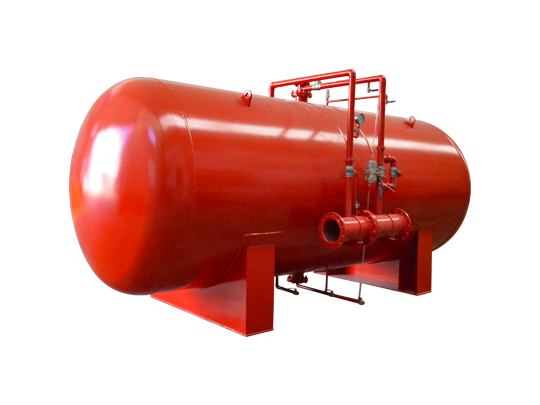
Furthermore, the pump set can be equipped with auxiliary equipment such as pressure tanks and pressure-stabilizing pumps to further shorten the pump set start-up time, reduce frequent start-up and shutdown of the main pump, and extend the service life of the entire fire protection system. Rapid start-up capability is one of the core advantages that distinguishes fire pump sets from ordinary water supply equipment and is an important technical feature in modern fire safety systems.
4. Multiple Protection Functions Ensure Safe and Stable Equipment Operation
The fire pump set integrates multiple electrical and mechanical protection measures in its design, ensuring safe operation even under extreme conditions. Electrical protection includes phase loss protection, overload protection, short circuit protection, overvoltage and undervoltage protection, and phase sequence error protection. It automatically cuts off power and triggers an alarm when the power system malfunctions, preventing equipment damage.
Mechanical protection includes pump body over-temperature protection, mechanical seal wear alarm, and bearing temperature monitoring. It provides early warnings of potential problems with mechanical components, reducing downtime risks. Some high-end pump sets are also equipped with automatic venting and anti-dry-run protection functions to prevent damage caused by air blockage or water shortage. These multiple protection measures together form a robust safety guarantee system.
5. Compatibility Design with Fire Protection Systems Ensures Wide Application
Automatic fire pump sets are widely used in various fire protection scenarios such as fire hydrant systems, sprinkler systems, foam extinguishing systems, and water curtain systems. Therefore, their structure and control functions must maintain a high degree of compatibility with different systems. Pump sets can be selected with different pressure ratings and flow ranges according to the needs of different systems, and configured based on parameters such as building size, water supply distance, and head.
Furthermore, the pump set can be flexibly combined with pressure stabilizing devices, standby pump sets, diesel pump sets, and frequency converter control cabinets to form a comprehensive fire water supply system with multiple pumps working in tandem, achieving continuous water supply, standby switching, and pressure stabilization. Its high flexibility allows it to meet diverse needs ranging from ordinary commercial buildings to large industrial projects.
6. Energy-Saving Design Optimizes Operating Costs
While ensuring high performance, the automatic fire pump set has also undergone technological optimization in terms of energy saving. For example, it uses high-efficiency motors, optimizes hydraulic models, and reduces internal water flow resistance to improve overall operating efficiency and reduce energy consumption. Simultaneously, with a stable automatic start-stop control strategy, frequent pump operation can be effectively avoided, thereby reducing power consumption and equipment wear.
Some models are equipped with a frequency converter control system, which adjusts the operating speed according to real-time demand, achieving intelligent energy-saving operation under high-efficiency conditions. For large buildings or projects with high operating cost requirements, energy-saving fire pump sets can significantly reduce operating costs, making it a long-term beneficial investment.
7. Modular Design for Easy Installation and Maintenance
Automatic fire pump sets generally adopt a base-mounted modular structure. Installation only requires connecting the inlet and outlet pipelines and power supply, significantly reducing construction time and installation costs. The pump body, control cabinet, motor, and other components are all designed for easy disassembly, making maintenance and repair more convenient.
The modular structure also facilitates on-site layout. If a multi-pump system is needed, capacity can be flexibly expanded through combination. Furthermore, the control system supports data logging and anomaly alarms, helping maintenance personnel to identify potential fault points in advance, reducing downtime risks and improving the overall system reliability.
8. Corrosion-Resistant and High-Strength Materials Ensure Long Service Life
Fire pump sets are often in standby mode but must also withstand high-intensity operation in emergencies; therefore, equipment lifespan is crucial. Pump body materials generally use corrosion-resistant cast iron, ductile iron, and wear-resistant copper alloys, which resist corrosion from prolonged water contact, extending the equipment's service life.
Motor coils typically use high-temperature resistant enameled wire, which has excellent insulation properties and can withstand high-load operation in emergency situations. Mechanical seals utilize silicon carbide or hard alloy materials to improve sealing performance and extend maintenance cycles. The overall durable design of the structure allows the fire pump set to maintain stable operation for extended periods in complex environments.
9. Ensuring Engineering Compliance Through Multiple Standard Certifications
The production and application of automatic fire pump sets strictly adhere to relevant fire protection standards and engineering specifications, such as various national standards and building fire protection design codes, ensuring that products meet engineering review and acceptance requirements. Pump set performance testing includes multiple indicators such as flow rate, head, efficiency, pressure resistance, and continuous operation, all of which undergo rigorous testing to ensure suitability for major engineering projects.
Furthermore, some products can provide material certificates, performance curves, and factory inspection reports according to project requirements, ensuring that construction and supervision units can conduct complete compliance audits.
10. Key Principles for Automatic Fire Pump Set Selection
Correct selection directly affects the operational effectiveness of the fire protection system. Key parameters to consider during selection include flow rate, head, power, pump structure, and control method. For example, fire hydrant systems typically require higher flow rates, while sprinkler systems prioritize stable pressure; high-rise buildings need pump sets with higher head, while large factories may be better suited to high-flow pump sets.
Furthermore, factors such as power supply conditions, backup power, installation space, ambient temperature, and system pressure requirements must be considered, and a reasonable configuration must be determined through professional calculations. Appropriate selection not only ensures fire safety but also extends equipment lifespan and reduces long-term operating costs.
Automatic fire pump sets are core power equipment in modern building fire protection systems. Their intelligent control, excellent structural design, rapid response capabilities, multiple protection functions, and high system compatibility make them widely used in various engineering projects. Through systematic analysis of product technical characteristics and selection criteria, users can choose suitable pump set solutions for different application scenarios, thereby effectively improving fire safety capabilities. High-quality automatic fire pump sets are not only a requirement for engineering compliance but also a crucial infrastructure for protecting life and property.
 WhatsApp me