

1. The Advantage of Independent Drive for Diesel Fire Pump Units
The core advantage of diesel engine drive lies in its complete independence from external power, enabling it to maintain normal operation even in the event of power outages, line damage, or emergency power failures, ensuring uninterrupted fire water supply. In warehouses, factories, and logistics parks, fires are often accompanied by short circuits or damage to the power distribution system. The independence of diesel engine units effectively avoids the problem of fire pumps failing to start due to power outages. Furthermore, diesel engines possess high torque output capabilities, allowing for rapid start-up and stable power even under high load conditions. This protection is particularly important for warehouses storing flammable materials, factories housing large equipment, and logistics centers requiring a stable water supply over extended periods, enabling them to quickly respond to fires in their initial stages and effectively control their spread.
2. High-efficiency pump design ensures stable flow and pressure output. Engineering diesel fire pump units are typically equipped with high-lift, high-flow centrifugal pumps. Their pump bodies utilize optimized hydraulic models, improving overall efficiency and maintaining stable output during long-term operation. In large logistics and warehousing areas or factories with numerous zones, fire protection systems often require high-pressure water delivery to meet the water supply needs of long-distance pipe networks and multi-story buildings. These pump units, relying on wear-resistant impellers, precise pump casing design, and rigorous manufacturing processes, ensure low energy consumption and stable water supply even under high pressure. Simultaneously, the pump body's sealing structure is reinforced to effectively prevent leakage, extend service life, and ensure the reliability of the entire system under demanding operating conditions.
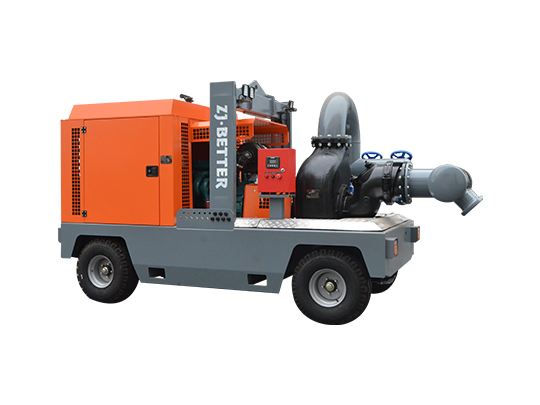
3. Durable Structure and Protective Design for Harsh Environments Warehouses, factories, and logistics environments often involve harsh conditions such as dust, vibration, and high humidity. Therefore, diesel fire pump units utilize high-strength steel base structures, anti-corrosion coatings, and thickened pump body materials to ensure durability during long-term operation. Some units are also equipped with protective covers, noise reduction structures, and outdoor enclosures to prevent rain erosion, enabling them to operate outdoors for extended periods unaffected by weather. Furthermore, the diesel engine's cooling and lubrication systems are industrial-grade, ensuring performance degradation during continuous long-term operation due to overheating or insufficient lubrication. These optimized designs allow the equipment to operate not only in conventional environments but also in high-temperature, high-humidity, or dusty industrial environments.
4. Intelligent Control System for Automation and Convenient Monitoring Modern engineering diesel fire pump units are generally equipped with intelligent control cabinets, enabling automatic start-up, remote monitoring, fault alarms, and real-time parameter display. The fire protection system can be set to automatically activate upon insufficient pressure or fire signal triggering, effectively shortening response time. Meanwhile, the control system can monitor key parameters such as diesel engine speed, pump pressure, and operating status in real time, providing maintenance personnel with intuitive data. For scenarios with limited manpower for inspection, such as warehouses or logistics parks, intelligent control can reduce management costs and improve safety. Furthermore, the unit supports switching between manual and automatic modes, ensuring manual intervention and rapid deployment in emergencies.
5. Modular Structure Design for Quick Installation and Easy Maintenance
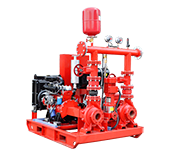
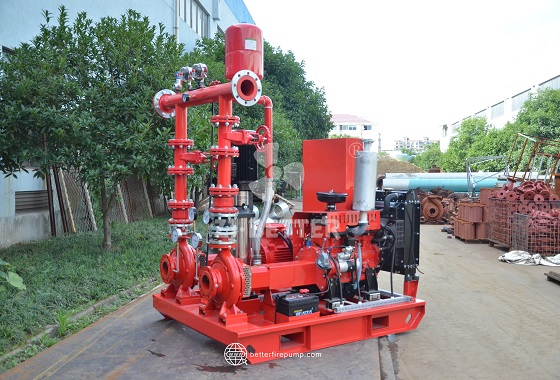
To meet the tight schedules of engineering projects, the equipment typically adopts a modular design. All components, including the base, pump set, control cabinet, fuel tank, and piping system, are pre-installed on the overall frame, requiring only simple connections on-site for operation. This design significantly reduces installation time and construction difficulty, making it ideal for warehouse expansion, factory fire protection upgrades, and new logistics park projects. In addition, the modular structure facilitates maintenance; the pump set, diesel engine, and filtration system all feature an open layout, facilitating inspection and replacement of parts, reducing downtime, and ensuring the fire protection system is always in optimal condition.
6. Broad Adaptability to Diverse Working Conditions
Due to the significant differences in water supply needs across various industrial scenarios, engineering-grade diesel fire pump units offer a variety of specifications to choose from, including different flow rates, heads, inlet and outlet sizes, and power configurations. These can adapt to various fire protection projects, from small warehouses to large manufacturing plants. In logistics parks, where large areas and long-distance pipelines exist, high-head pumps can be configured; in raw material plants, high-flow pumps may be needed to handle the sprinkler system requirements of high-density cargo areas. Furthermore, pump units can be combined with electric pumps and pressure-stabilizing pumps to form complete systems, constituting comprehensive fire protection solutions to meet more complex water supply scenarios.
7. Significant Fuel Economy and Operating Cost Advantages
Modern diesel engines employ electronic fuel injection technology, significantly improving fuel efficiency and reducing overall operating costs. In fire protection systems, equipment is not designed for continuous operation but must maintain high-performance output when necessary. Therefore, the fuel economy of diesel engines effectively reduces operating expenses in test and standby modes. Simultaneously, the relatively economical purchase and maintenance costs of pump units make them a highly cost-effective fire protection investment for factories and warehouses. Its high durability translates to further reduced long-term operating costs, making it ideal for budget-sensitive projects with stringent safety requirements.
8. Reliable Cooling and Start-up Systems Ensure Fault-Free Operation in Emergency Situations
To ensure rapid and reliable start-up in emergency situations, the unit employs a preheating system, a dual-battery start-up configuration, and an industrial-grade cooling mechanism. The preheating system ensures rapid start-up of the diesel engine even in low-temperature environments, while the dual-battery structure guarantees sufficient starting power, maintaining optimal performance even after prolonged periods of inactivity. The pump unit's cooling system utilizes either water or air cooling, freely matched according to operating conditions to ensure thermal balance during extended operation. For nighttime fires in logistics centers, high-temperature conditions in factories, or long-term pressure conveying needs in storage areas, this system provides continuous, stable, and uninterrupted water supply.
9. Comprehensive Safety Protection Systems Reduce Operational Risks
To ensure the safety of operators and equipment, the pump unit is equipped with multiple safety protections, including overspeed protection, low oil pressure alarm, high water temperature alarm, automatic shutdown protection, and pump overload protection. This protection system can issue warnings and automatically take measures before a malfunction occurs, preventing equipment damage or operational risks. Meanwhile, the control system records all alarms and operational statuses, facilitating problem tracing and preventing recurring failures. For high-risk goods storage, machinery-intensive factories, and logistics centers with massive daily throughput, such safety measures significantly enhance the overall reliability of the fire protection system.
10. Typical Applications in Warehouses, Factories, and Logistics Centers
In the warehousing industry, the equipment is primarily used for remote sprinkler system water supply, especially in high-rack warehouses and outdoor storage yards, where its high lift effectively covers long-distance pipe networks. In manufacturing plants, the equipment undertakes emergency water supply tasks, particularly in machine shops, electrical manufacturing workshops, or areas involving welding processes, where fire loads are high, thus requiring powerful and independent fire-fighting equipment. In logistics centers, due to frequent vehicle traffic, dense electrical equipment, and dispersed personnel, diesel fire pump units can quickly support the fire protection network in emergencies, improving the overall safety level. Furthermore, in industrial parks lacking stable power access or with insufficient power supply, this equipment becomes an irreplaceable primary water supply unit.
Diesel fire pump units for engineering applications, with their independent drive, high-performance pump body, durable structure, intelligent control system, and excellent environmental adaptability, have become crucial equipment for ensuring fire safety in industrial settings such as warehouses, factories, and logistics centers. Whether used as a main fire pump or as a supplement to an electric pump system, this equipment can provide strong and stable water supply support in critical moments. Choosing a reliable diesel fire pump unit represents a company's emphasis on safety systems and is a long-term investment in production continuity and asset security.
 WhatsApp me