
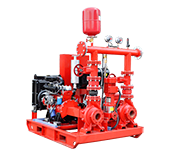
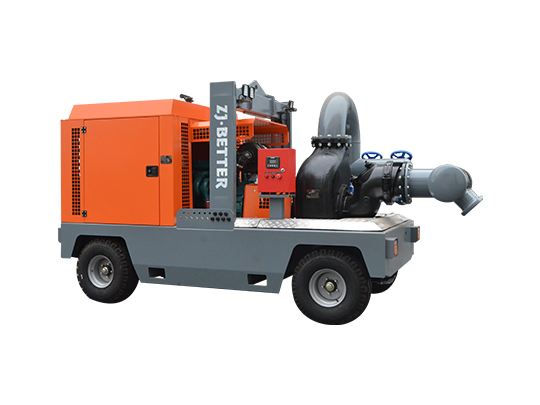
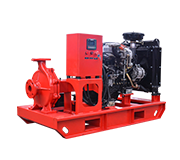
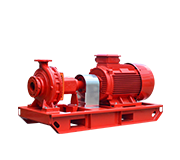

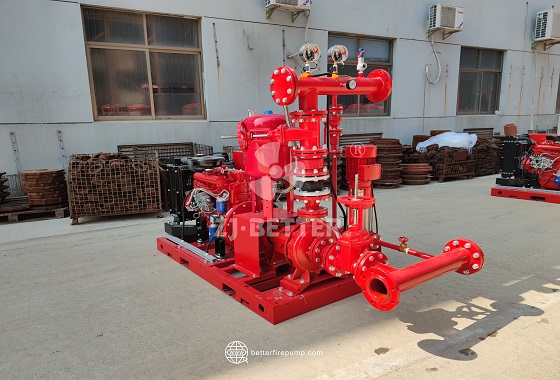
1. Modular Skid-Modified Structure Design: Improving Installation Efficiency and System Stability The fire-fighting pipeline emergency water supply diesel pump system adopts a modular skid-mounted structure, integrating all core components—diesel engine, water pump, control cabinet, piping, valves, and base—on a unified platform. This structure significantly reduces on-site installation and commissioning workload, eliminating the need for complex foundation construction; only inlet and outlet water pipes and electrical interfaces need to be completed before it can be put into use. The skid-mounted structure not only facilitates transportation but also ensures the system's overall stability. The base is typically welded from high-strength steel, capable of withstanding vibrations and impacts during prolonged operation, ensuring stability even at high speeds. Furthermore, the integrated structure helps reduce errors between components, improves system sealing, and lowers the risk of leakage. This design is particularly suitable for situations with tight deadlines, limited space, or the need for rapid deployment of fire protection systems, such as chemical plants, warehousing and logistics centers, outdoor fire pump rooms, and emergency mobile fire stations, demonstrating its high practicality and flexibility.
2. High-Power Diesel Engine Drive: Ensuring Independent Water Supply Capability in Emergency Situations
The system is driven by a stable and reliable high-power diesel engine, capable of independently completing fire water supply tasks without an external power source. Diesel engines are characterized by rapid start-up, high torque, and strong fuel adaptability, maintaining efficient operation in various emergency environments. In firefighting scenarios, water supply equipment often faces sudden start-up and shutdown demands, and high-quality diesel engines possess rapid cold-start capabilities, enabling them to start quickly and provide continuous power even in low-temperature conditions. This provides valuable response time for sudden fires, significantly improving firefighting efficiency. Meanwhile, the diesel engine fuel system is optimized for low fuel consumption, stable fuel supply, and long-term operation, meeting the fire water supply needs for several hours or even longer. Its powerful performance ensures stable operation of the fire pumps even under high-head, high-flow conditions.
3. High-Efficiency Fire Pumps: Providing Ample Flow and Stable Pressure
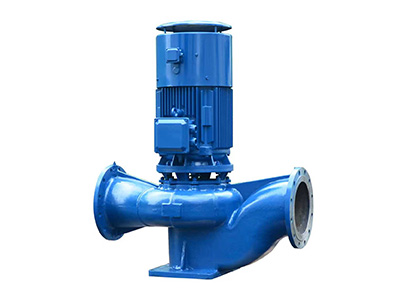
The fire pumps configured in the system are hydraulically optimized to continuously output stable water pressure under high-head, high-flow conditions, ensuring that the water supply needs within the fire protection network are fully met. The pump body is typically cast from corrosion-resistant metal, offering high wear resistance and a robust structure, enabling long-term adaptation to environments containing impurities or high-hardness water. The optimized structure of the pump shaft and impeller results in higher fluid flow efficiency and lower pressure loss, thereby improving overall performance. Pump stability is crucial during fire protection system operation. High-efficiency fire pumps undergo dynamic and static balance testing and rigorous factory inspection, maintaining low vibration and low noise even under continuous operation. Meanwhile, its structure facilitates later maintenance; replacement of components such as impellers, seals, and bearings is simple, reducing downtime and ensuring long-term system availability.
4. Comprehensive Automated Control System: Achieving Intelligent Monitoring and Rapid Response The fire-fighting pipeline emergency water supply diesel pump system is equipped with an independent automated control cabinet, enabling fully automatic equipment start-up, operation monitoring, fault alarms, and shutdown management. The control system typically uses a programmable logic controller (PLC) or intelligent modules, combined with various sensors, to monitor key data such as diesel engine speed, water pump pressure, oil level, and temperature in real time. When a drop in fire-fighting pipeline pressure or a start command is detected, the system automatically starts the diesel engine and water pump, quickly restoring the pressure to the set range. Simultaneously, the control system can automatically adjust the operating status according to different working conditions, avoiding overload or idling. Furthermore, the control cabinet has both local and remote control capabilities, allowing remote monitoring via the fire control center, monitoring platform, or mobile terminal, further enhancing the system's intelligence and management convenience, providing a more intuitive and efficient operating experience for fire-fighting operations and maintenance.
5. Pressure Tank and Pressure Stabilizing Device Configuration: Enhancing System Pressure Stability
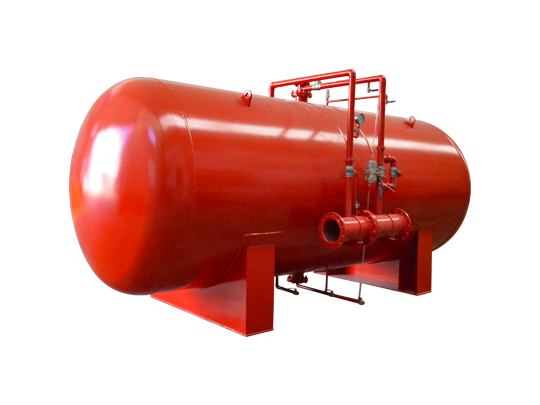
To ensure stable pressure in the fire protection network, the system is equipped with a pressure stabilizing tank and pressure control device. This maintains basic pressure within the network in standby mode, avoiding frequent start-stop of the main pump and extending equipment lifespan. When the system pressure drops to a set threshold, the pressure stabilizing device quickly replenishes the pressure. The diesel fire pump will only be activated when the pressure drops further, making the system more energy-efficient and reliable. In the event of a sudden fire, the pressure stabilizing system can also provide brief, instantaneous replenishment pressure before the main pump starts, buying more time for firefighting. This pressure stabilization mechanism is particularly important in large factories, long-distance pipeline networks, and outdoor fire protection systems, effectively preventing insufficient water supply or impact problems caused by pressure fluctuations, resulting in smoother system operation.
6. Optimized Piping and Valve Structure: Ensuring Reliable Fluid Delivery
The system's piping uses pressure-resistant and corrosion-resistant metal pipes, scientifically laid out to reduce fluid resistance and water hammer risk. All fittings, elbows, and joints undergo high-pressure testing to ensure they can withstand the high-pressure impacts common in fire protection systems. The system is equipped with valves including gate valves, check valves, and safety valves, all characterized by flexible opening and closing and reliable sealing, ensuring rapid water flow interruption in emergencies. The automatic check valve prevents backflow in the pipeline network, protecting pumps and equipment from damage. Overall optimization of the piping system results in more uniform flow distribution and reduces local pressure loss, playing a crucial role in improving overall water supply efficiency.
7. Adaptable to Multiple Application Scenarios: Meeting the Needs of Complex Environments and Multiple Industries The fire-fighting emergency water supply diesel pump system is suitable for industrial parks, chemical plants, warehouse logistics bases, high-rise buildings, ship docks, municipal fire stations, etc., and is particularly suitable for areas with limited power or complex environments. Due to its skid-mounted structure and independent power system, this equipment performs exceptionally well in outdoor environments: it is resistant to high and low temperatures, has good weather resistance, is unaffected by the power supply system, and can maintain normal operation in severe weather or disaster conditions. Furthermore, its flexible configuration allows for customization of different flow rates, head, control modes, and accessories according to project needs, enabling it to meet the fire protection standards of different countries and industries.
8. Multiple Safety Protection Devices: Enhancing System Reliability and Operational Safety
The system incorporates multiple safety protection measures, including over-temperature alarm, low oil pressure protection, overload protection, and water pump water shortage protection, ensuring equipment protection under various abnormal operating conditions and promptly alerting operators to take appropriate measures. An emergency stop button is installed inside the control cabinet, allowing for immediate power cut-off in case of major malfunctions or dangerous situations, ensuring the safety of personnel and equipment. The electrical system also features waterproof, dustproof, and shockproof design, adapting to long-term outdoor operation requirements. These protection mechanisms ensure the system remains safe and controllable even during high-intensity operation, providing greater confidence to fire departments and enterprise users.
9. Convenient Maintenance Design: Reducing Downtime and Labor Costs
The system is designed with future maintenance needs in mind, with a rational layout of components for easy disassembly and inspection. Routine maintenance items such as oil changes, filter replacements, and pump lubrication checks can all be completed with simple operations. The diesel engine adopts a modular maintenance structure, allowing for quick disassembly and repair of critical components; water pump seal and bearing replacement also requires no complex operations, thereby reducing maintenance costs and improving equipment availability. For long-term industrial and large-scale park users, convenient maintenance design effectively reduces downtime and improves the overall reliability of the fire protection system.
10. Compliance with International Fire Protection Standards: Ensuring Global Applicability and Engineering Acceptance The entire emergency water supply diesel pump system is designed according to internationally recognized fire protection standards, such as NFPA20 and ISO standards, ensuring that its performance parameters, piping configuration, safety logic, and automation functions meet the requirements of global engineering projects. Compliance with international standards means that the system can be used in large-scale multinational projects, overseas project bidding, and demanding chemical and municipal engineering projects, giving it higher engineering acceptance. Whether in Asia, the Middle East, Africa, or Europe and America, the system meets the requirements of local fire protection regulations and operating environments, making it extremely versatile.
The fire protection network emergency water supply diesel pump system, with its independent power drive, high-efficiency water supply performance, intelligent control, reliable structural design, and professional quality that meets international standards, has become an indispensable core equipment for various emergency fire protection scenarios. Whether in areas with insufficient power supply or in industrial settings with extremely high requirements for fire protection system stability, this system can provide continuous, reliable, and high-performance fire water supply. It is not just a piece of equipment, but a key force in the fire safety system of buildings and industrial facilities, providing strong support for fire emergency response.
 WhatsApp me