

1. Advantages of the Overall Structural Design of the Pressure-Stabilizing Fire Booster Pump System
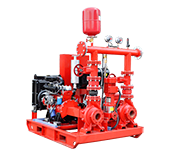
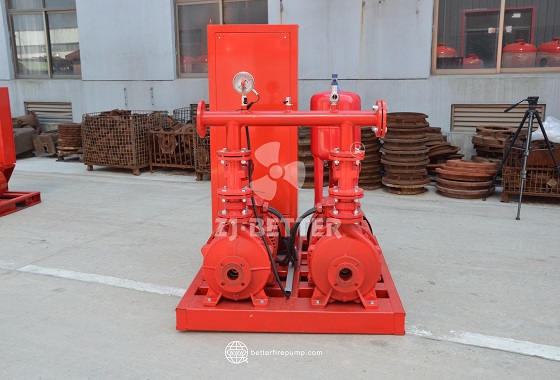
The high-efficiency pressure-stabilizing fire booster pump system adopts a compact integrated structure, integrating the electric pressure-stabilizing pump, piping system, intelligent control unit, and pressure tank into a complete device. This structure not only effectively saves installation space but also reduces the complexity of external piping, making the system more stable and reliable. The base of the equipment is typically made of high-strength steel, possessing excellent seismic resistance and maintaining stable operation under various complex working conditions. Furthermore, the layout of the pressure-stabilizing pump unit is scientifically and rationally designed, allowing for quick inspection and replacement of components by maintenance personnel, significantly reducing subsequent maintenance costs. The overall structural design not only embodies a combination of engineering and practicality but also enhances the equipment's adaptability within fire protection systems, providing strong support for rapid deployment in projects of varying sizes.
2. High-Efficiency Power and Low Energy Consumption of the Core Pressure-Stabilizing Pump
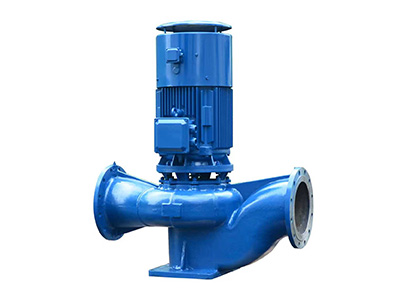
To maintain long-term stable operation of the system, the pressure-stabilizing pump typically combines a high-efficiency motor with an energy-saving pump. This type of pump features stable flow rate, suitable head, and low energy consumption, while maintaining excellent performance even under low-flow conditions, meeting the requirement of "stable operation at low flow rates for extended periods." The motor boasts excellent heat dissipation, low starting current, and low failure rate, making it suitable for 24/7 uninterrupted operation. The pump body is made of corrosion-resistant materials, adaptable to different water qualities encountered in fire protection pipe networks, ensuring a longer service life. During system operation, the pressure-stabilizing pump operates continuously at lower power, minimizing its impact on energy consumption. Compared to the waste caused by frequent start-stop cycles of traditional high-power pumps, the energy-saving effect of this system is more significant.
3. Precise Pressure Control Strategy Ensures Long-Term Stable System Operation
Pressure stability is a core indicator of a pressure-stabilized fire booster pump system. The system is equipped with pressure sensors, pressure switches, and an intelligent controller. By monitoring changes in pipeline pressure in real time, it automatically adjusts the pressure-stabilized pump. When the pressure is slightly lower than the set value, the pump automatically starts to replenish pressure; when the pressure reaches the upper limit, the equipment automatically stops, ensuring the pump unit operates within a reasonable load range. To prevent frequent start-stop cycles due to pressure fluctuations, a delayed start and stop function is added to the control logic, making pressure regulation smoother. Precise pressure control not only ensures that the sprinkler and fire hydrant systems remain operational, but also extends the pump unit's lifespan and improves system reliability. This intelligent control method is of paramount importance in practical fire protection engineering.
4. Pressure Tank Linkage Technology Enhances Instantaneous Water Replenishment Capacity
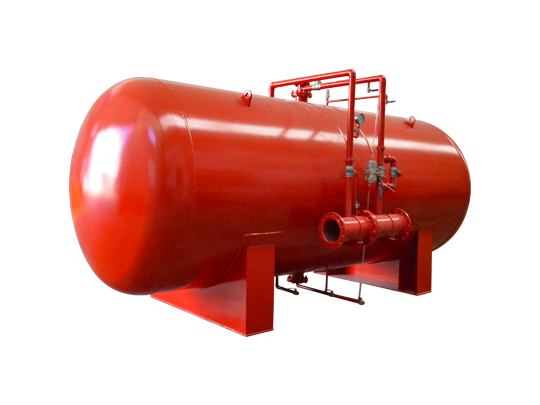
When a sudden pressure drop occurs in the fire protection system, such as when a fire hydrant opens or the sprinkler system starts, a large volume of water needs to be supplied instantly. The pressure-stabilized fire booster pump system responds to this impact through linkage with the pressure tank. The pre-charged gas inside the pressure tank can rapidly release energy during instantaneous pressure changes, compensating for water pressure drops and providing the system with a window of opportunity to start the pressure-stabilizing pump. Simultaneously, the pressure tank reduces the number of pump starts, thereby reducing motor wear and extending the overall lifespan of the equipment. By scientifically matching the tank volume, charging pressure, and system requirements, more efficient pressure regulation can be achieved. The pressure tank's linkage technology not only enhances the system's emergency response capabilities but also improves the stability of daily operation, making the fire protection system more reliable.
5. Intelligent Control Cabinet Enables Automated Operation and Fault Monitoring Pressure-stabilizing fire booster pump systems are typically equipped with an intelligent control cabinet, integrating automatic mode, manual mode, pressure display, operating status indication, and multiple protection functions. The control cabinet uses industrial-grade electrical components to ensure stable signal transmission, high temperature resistance, and strong anti-interference capabilities, making it suitable for long-term operation. The system has an automatic alarm function; in the event of overvoltage, undervoltage, phase loss, overload, or pump failure, the control cabinet will immediately issue an alarm and can output a remote signal to the fire monitoring center as needed, facilitating timely handling by management personnel. In addition, the control system supports self-testing, which can periodically check the pump unit's operating status to prevent motor and pump shaft jamming caused by prolonged inactivity. Intelligent control significantly improves system reliability and management efficiency.
6. Enhanced Durability and Corrosion Resistance: Pressure-stabilizing pump systems operate year-round in high-humidity or complex environments, making equipment durability crucial. Key components such as the pump body, valves, and pipelines are made of stainless steel, cast iron, or anti-corrosion coated materials, effectively resisting long-term water erosion and humid environments. The base structure undergoes rust-proof spraying to ensure good mechanical strength during long-term use. The pressure tank is made of high-quality steel with internal and external anti-corrosion treatment to ensure long-term stability under high pressure. Furthermore, all electrical components meet fire equipment temperature and humidity resistance standards, maintaining stable operation even in complex environments. This comprehensive durability design ensures high reliability and reduces failure rates during long-term operation.
7. System Start-up Response Speed Meets Emergency Firefighting Needs: One of the core requirements of fire protection systems is rapid response. In fire emergencies, the pressure-stabilizing pump can immediately sense pressure changes and take action, providing instantaneous water replenishment via a pressure tank to ensure the system quickly enters operational status. Because this equipment primarily maintains system pressure, its startup load is small and its response speed is extremely fast, completing startup within seconds, buying valuable time for the main pump. Compared to traditional methods that rely on the main pump to directly maintain pressure, the pressure-stabilizing pump system's startup method is gentler and more efficient, without impacting the power grid and avoiding wear and tear caused by frequent main pump starts. Its rapid response design makes it an indispensable auxiliary force in fire protection systems.
8. Wide Range of Applications Applicable to Various Building Types The high-efficiency pressure-stabilizing fire booster pump system is suitable for various fire water supply scenarios, including residential buildings, office buildings, commercial centers, schools, hospitals, factories, and warehousing and logistics centers. Its flexible configuration can be adjusted according to project needs, such as selecting pressure-stabilizing pumps of different power, adding pressure tanks, and configuring linkage signals, making it adaptable to different fire protection requirements from small buildings to large complexes. In industrial settings such as chemical plants, power stations, and manufacturing workshops, this system demonstrates exceptional stability, effectively maintaining system pressure and providing long-term reliable protection for large fire-fighting networks.
9. Convenient Installation and Maintenance, Reducing Operating Costs
Due to its modular design, the pressure-stabilized fire booster pump system is pre-assembled and tested at the factory. Upon arrival at the site, only the inlet and outlet pipes and power supply need to be connected for immediate use, significantly reducing installation time. For maintenance, the pump body, motor, pressure tank, and control cabinet are all common industrial standard parts, allowing maintenance personnel to quickly inspect and replace components, minimizing downtime. The intelligent control system supports remote monitoring, providing early warnings of potential problems and reducing the risk of failure. Compared to traditional systems, this equipment has lower power consumption and lower long-term energy consumption, resulting in significantly reduced operating costs and substantial economic value for building operators.
10. Safety and Reliability Guaranteed by Fire Safety Regulations
The pressure-stabilized fire booster pump system is designed and manufactured in strict accordance with fire safety regulations, featuring multiple safety functions such as pressure protection, overload protection, phase loss protection, and leakage protection, ensuring stability under various operating conditions. The pressure tank is equipped with a safety pressure relief device to prevent dangerous situations caused by excessive internal pressure. The control system incorporates functions such as soft start, automatic inspection, and self-locking protection, making the entire system safer and more intelligent. The equipment's reliability is reflected not only in its rapid response in emergencies but also in its stable performance during extended standby periods, ensuring the building's fire protection system is always in optimal working condition.
The high-efficiency, pressure-stabilizing fire booster pump system is an indispensable key piece of equipment in modern fire water supply systems. With its advantages of precise pressure control, stable operation, high energy efficiency, and intelligent management, it plays a vital role in various building scenarios. Its excellent structural design, pressure tank linkage technology, and intelligent control mode ensure that the system can respond quickly in emergencies and maintain optimal pressure conditions over long periods. As building fire protection standards continue to improve, this system will continue to provide solid guarantees for more projects with its high reliability, high performance, and high adaptability, making it a professional choice for achieving safe fire water supply.
 WhatsApp me