
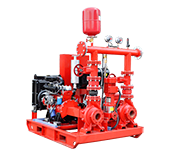
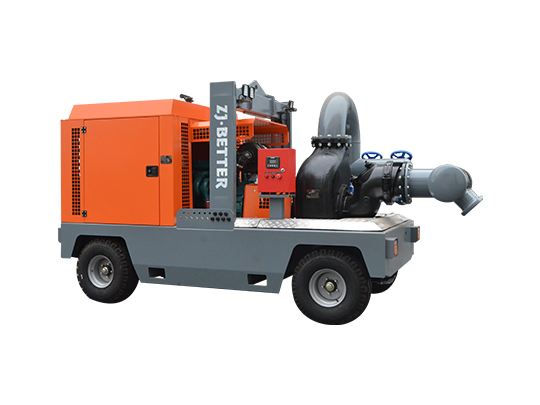
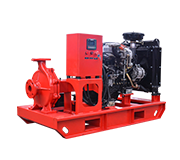
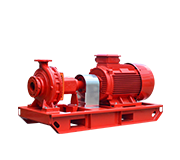
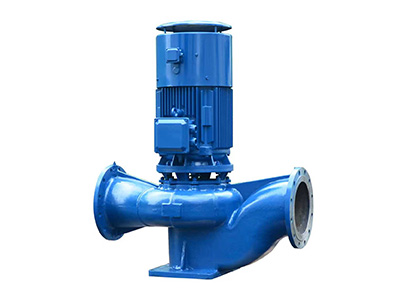

1. Vertical Structural Design Supports Continuous Operation Stability Vertical motor-driven fire pumps adopt a vertical shaft structure layout. The motor and pump body are directly connected vertically or coaxially via a coupling, resulting in a more balanced overall force distribution. Under continuous operation, this structure effectively reduces vibration problems caused by axial off-center loading and reduces abnormal wear of bearings and sealing components. Compared to horizontal structures, vertical structures offer a more rational center of gravity distribution while occupying less floor space, which helps maintain equipment stability during long-term operation. Simultaneously, the vertical arrangement of the pump shaft reduces hydraulic losses caused by pipeline turning, resulting in smoother water flow and thus reducing motor load fluctuations. In fire protection systems requiring long-term standby, sudden start-up, and continuous water supply, this structural advantage is crucial for ensuring continuous operation.
2. Direct-Drive Motor Enhances Operational Reliability Vertical motor-driven fire pumps typically employ direct-drive or high-efficiency coupling methods, reducing intermediate transmission links and simplifying the power transmission path. Fewer transmission links mean fewer potential failure points, making performance degradation due to belt slippage, gear wear, etc., less likely to occur during continuous operation. The motor's output power acts more directly on the impeller, improving energy utilization efficiency and reducing energy loss. For fire protection systems, equipment often needs to immediately reach rated operating conditions in emergencies. The direct-drive design shortens response time, ensuring stable speed, uniform flow and pressure output during continuous operation, thereby meeting the stringent requirements of fire protection codes for continuous water supply.
3. High-Efficiency Hydraulic Components Ensure Long-Term Performance
The impeller, guide vanes, and pump casing structure of the fire pump are optimized for firefighting conditions, emphasizing efficiency and stability at rated speed. The high-efficiency hydraulic model not only delivers the required flow rate and head in a short time but, more importantly, maintains a stable performance curve during continuous operation. Through a reasonable impeller profile design and flow channel layout, turbulence and localized energy loss are reduced, minimizing overheating and efficiency degradation during prolonged operation. This performance stability is particularly important for firefighting systems, as pumps often need to operate continuously for extended periods during firefighting. High-efficiency hydraulic components effectively reduce motor load and extend the overall system's safe operating time.
4. Durable Material Selection Extends Continuous Service Life
The vertical motor-driven fire pump's material selection fully considers the dual requirements of continuous operation and emergency conditions. The pump body is typically made of high-strength cast iron or alloy materials, possessing excellent pressure resistance and impact resistance; key flow components are made of wear-resistant and corrosion-resistant materials to cope with frequent switching between long-term static standby and sudden high-speed operation. Under continuous operating conditions, the heat resistance and structural stability of materials are particularly critical. A reasonable combination of materials can effectively reduce thermal deformation and fatigue damage. By extending the service life of key components, the overall equipment can maintain stable performance after multiple start-ups and shutdowns and long-term operation, providing reliable protection for the fire protection system.
5. The Role of Sealing and Bearing Systems in Ensuring Long-Term Operation
During the continuous operation of a fire pump, the reliability of the sealing and bearing systems directly determines the safety of the equipment. Vertical motor-driven fire pumps are typically equipped with high-quality mechanical seals or packing seals, which can maintain good sealing performance under high speed and continuous pressure, preventing leakage from affecting the motor and the environment. The bearing system adopts a configuration suitable for the vertical structure, capable of withstanding axial and radial combined loads, ensuring the pump shaft remains stable during long-term operation. Through reasonable lubrication design and heat dissipation paths, the seals and bearings are less prone to abnormal temperature rise under continuous operating conditions, thus significantly reducing the risk of failure.
6. Heat Dissipation and Cooling Design under Continuous Operating Conditions
When a fire pump is continuously supplying water, both the motor and the pump body will generate a certain amount of heat. Vertical motor-driven fire pumps are designed with heat dissipation requirements in mind. By optimizing the motor housing structure, adding heat dissipation fins, or rationally arranging cooling air ducts, overall heat dissipation efficiency is improved. Good heat dissipation performance ensures the motor can operate under rated load for extended periods without overheating, preventing insulation aging or performance degradation due to excessive temperature rise. In fire protection applications, equipment may operate in high-temperature environments; a well-designed heat dissipation system provides crucial protection for continuous operation.
7. High Compatibility with Fixed Fire Protection Systems Vertical motor-driven fire pumps are widely used in fixed fire protection systems, such as fire hydrant systems, sprinkler systems, and foam extinguishing systems. Their continuous operation capability is highly compatible with the operating characteristics of fixed systems, stably maintaining the required pressure and flow rate after system startup. The vertical structure facilitates vertical connection to piping networks, reducing installation space requirements and making the equipment easier to place in pump rooms or equipment rooms. For fire protection systems requiring 24/7 standby, the ability to maintain good condition in a long-term static state and operate continuously after startup is its core value.
8. Enhanced Safety Through Operational Control and Protection Measures
During continuous operation, fire pumps require comprehensive control and protection measures to cope with potential abnormal operating conditions. Vertical motor-driven fire pumps can typically be used with various control methods to achieve functions such as automatic start-up, operation monitoring, and fault alarms. Real-time monitoring of parameters such as current, voltage, and temperature allows for timely detection of anomalies during continuous operation, preventing the equipment from continuing to operate under adverse conditions. Comprehensive protection measures not only improve operational safety but also provide strong support for a stable water supply to the fire protection system in emergencies.
9. The Significance of Maintenance Convenience for Continuous Operation
Continuous operation capability depends not only on the design and manufacturing level of the equipment itself but also on the convenience of subsequent maintenance. Vertical motor-driven fire pumps have a relatively compact structure and a reasonable layout of key components, facilitating daily inspection and periodic maintenance. Without affecting the overall system operation, vulnerable parts can be inspected and replaced, thus keeping the equipment in good condition for a long time. Good maintenance conditions help reduce the occurrence of sudden failures, making the fire pump more reliable when it needs to operate continuously for extended periods.
10. Continuous Operation Performance in Multiple Application Scenarios
Whether in high-rise buildings, industrial plants, warehousing and logistics centers, or public facilities and infrastructure projects, vertical motor-driven fire pumps face diverse operating environments and conditions. Their continuous operation capability across multiple scenarios stems from the combined advantages of their structural design, drive method, and system compatibility. In practical applications, these devices can be rapidly deployed after a fire breaks out and maintain stable output throughout the entire firefighting process, providing a continuous and reliable water supply to the fire protection system, demonstrating their crucial role in modern fire protection engineering.
In summary, vertical motor-driven fire pumps, with their vertical structure, direct-drive motor, efficient hydraulic design, and comprehensive sealing, heat dissipation, and protection systems, exhibit significant advantages in continuous operation performance. These advantages enable them to meet the stringent stability and reliability requirements of fixed fire protection systems, maintaining safe and efficient operation under long-term water supply conditions. As fire safety standards continue to rise, the application value of these products in various building and industrial projects will become increasingly prominent, making them a vital core device for ensuring the continuous operation of fire protection systems.

 WhatsApp me