

1. Motor Drive Structure Ensures Stable Power Output
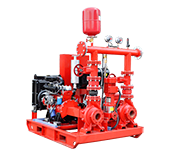
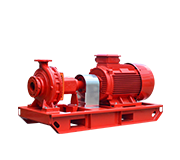
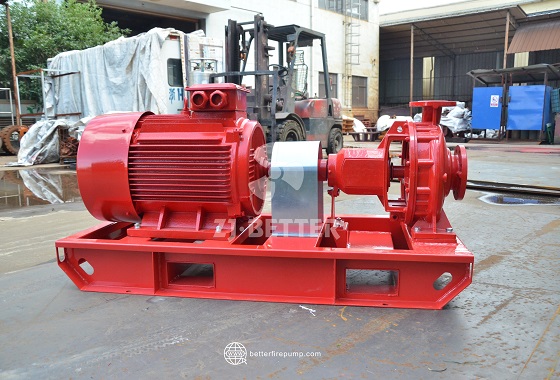
Motor-driven horizontal fire pumps use an electric motor as the main power source, driving the centrifugal pump impeller to rotate at high speed through a coupling or direct connection, thereby realizing water flow. The electric motor has the characteristics of stable operation, rapid start-up, and convenient maintenance, making it very suitable for fire protection systems with long service life. In fire protection systems, equipment needs to be quickly deployed in emergencies. Therefore, electric motor drives can rapidly start and reach rated speed upon receiving a start signal, providing stable pressure to the fire protection network. Simultaneously, the electric motor drive structure operates with low noise and minimal vibration, contributing to improved overall equipment stability. For fire pump rooms installed inside buildings, this stable power output effectively ensures the continuous and reliable operation of the fire protection system in emergencies.
2. Horizontal End-Suction Structure Improves Equipment Operating Efficiency
These fire pumps typically employ a horizontal end-suction centrifugal pump structure, with the pump inlet located at the end and the outlet at the top. This design facilitates smoother water flow, reducing energy loss and improving overall operating efficiency. The horizontal end-suction structure not only achieves high water delivery efficiency but also offers advantages such as compact structure and easy installation. The impeller inside the pump body converts mechanical energy into kinetic energy of the water flow through high-speed rotation, thus creating stable water pressure. For building fire protection systems requiring continuous water supply, this high-efficiency hydraulic structure can establish stable water pressure in a short time and maintain stable performance during long-term operation.
3. High-Flow Water Supply Meets Building Fire Protection Needs
In modern building fire protection systems, sprinkler and fire hydrant systems often require large amounts of fire-fighting water. Motor-driven horizontal fire pumps, through optimized hydraulic design, can achieve a large flow output, thus meeting the water supply needs of large building fire protection systems. When a fire occurs, multiple fire-fighting devices may activate simultaneously, placing high demands on water supply capacity. High-flow fire pumps can deliver a large amount of water to the fire hydrant network in a short time, ensuring the continuous operation of the fire extinguishing system. Stable flow output is crucial for controlling the spread of fire; therefore, high-flow water supply capacity is one of the key advantages of this type of fire pump.
4. Stable Water Pressure Ensures Normal Operation of the Fire Protection System
Fire protection water supply systems require not only sufficient water volume but also stable water pressure. Motor-driven horizontal fire pumps, through precise hydraulic design, enable the equipment to maintain stable pressure output under various operating conditions. Stable water pressure ensures that sprinkler heads in the sprinkler system spray normally, while also guaranteeing sufficient range and water volume for the fire hydrant system. Stable water pressure is particularly important in high-rise building fire protection systems because the fire hydrant network often needs to supply water to higher floors. By rationally configuring fire pump parameters, the fire water supply needs of high-rise buildings can be effectively met.
5. Compact Structure for Easy Installation and Layout
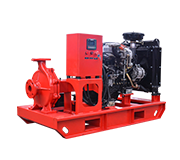
Motor-driven horizontal fire pumps typically adopt an integrated structural design, with the motor and pump mounted on the same base, resulting in a compact overall structure. This design not only reduces the equipment's footprint but also simplifies installation. In building fire pump rooms, equipment can be rationally arranged according to space conditions, improving pump room utilization. Furthermore, the compact structure facilitates equipment transportation and installation, significantly shortening the construction cycle in large-scale projects.
6. High-Quality Materials Enhance Equipment Durability
Fire protection equipment needs to maintain good performance over long-term operation; therefore, the quality of the materials used is crucial. Motor-driven horizontal fire pumps typically utilize high-strength metal materials during manufacturing to enhance overall equipment durability. The pump body, impeller, and key components undergo precision machining and rigorous testing, enabling stable operation under high pressure and high flow conditions. High-quality materials not only improve corrosion resistance but also extend the equipment's service life, thereby reducing long-term maintenance costs.
7. Applicable to Various Building Fire Protection Systems
Motor-driven horizontal fire pumps have strong adaptability and can be widely used in various building fire protection systems. Examples include high-rise residential buildings, commercial complexes, hotels, hospitals, schools, and large office buildings. In these locations, the fire protection system typically consists of sprinkler systems, fire hydrant systems, and fire water tanks, with the fire pump being the core power equipment. Through proper design and configuration, motor-driven fire pumps can meet the fire water supply needs of different building types, thus providing reliable protection for building safety.
8. Stable Operation Reduces System Failure Risk
Fire protection equipment must ensure stable operation during critical moments; therefore, equipment reliability is crucial. Motor-driven horizontal fire pumps are designed with long-term operational needs in mind, reducing failure rates through optimized structure and improved manufacturing precision. Low vibration and noise during operation help reduce mechanical wear, thereby improving equipment stability. Stable operating performance ensures rapid response and continuous water supply in emergency situations.
9. Convenient Maintenance Reduces Operating Costs
To ensure long-term stable operation, motor-driven horizontal fire pumps are designed with maintenance needs in mind. The equipment has a rational structural layout, and all key components are easy to disassemble and inspect. Maintenance personnel can regularly inspect the motor, bearings, and sealing devices to ensure the equipment remains in good condition. Standardized maintenance management not only extends the equipment's lifespan but also reduces overall operating costs.
10. Enhancing the Overall Safety Level of Building Fire Protection Systems
In modern building fire protection engineering, stable and reliable fire water supply equipment is a crucial foundation for ensuring the normal operation of the fire protection system. Motor-driven horizontal fire pumps, with their high-efficiency water delivery capacity and stable operating performance, can provide a continuous and reliable water source for the fire protection system. When a fire occurs, the equipment can quickly start and deliver sufficient water to the fire pipeline network, enabling the sprinkler and fire hydrant systems to be quickly put into use, thereby effectively controlling the spread of the fire. Through this reliable water supply capacity, the overall safety level of the building fire protection system is significantly improved.
As an important piece of equipment in building fire water supply systems, motor-driven horizontal fire pumps play a key role in modern fire protection engineering due to their stable power output, high-efficiency centrifugal pump structure, and large-flow water supply capacity. These devices are not only compact and easy to install, but also offer advantages such as stable operation and convenient maintenance, meeting the water supply needs of various building fire protection systems. With the continuous expansion of urban building scale and the increasing sophistication of fire safety standards, motor-driven horizontal fire pumps will be widely used in more fire protection projects, providing reliable protection for building safety and the safety of people's lives and property.
 WhatsApp me