

1. Overall Design Concept for Continuous Operating Conditions
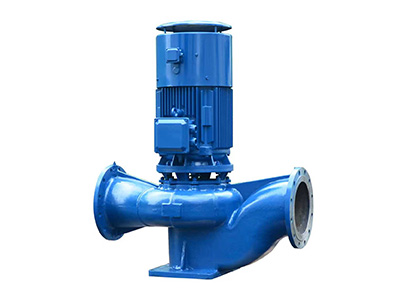
One of the core objectives of electric fire pump design from the outset is to meet the requirements of long-term, uninterrupted operation. After a fire occurs, fire pumps often need to operate continuously for several hours or even longer under rated conditions; therefore, their overall structure must be designed around durability and stability. Core components such as the pump body, pump shaft, and impeller are made of high-strength materials, enabling them to maintain dimensional stability and consistent performance under continuous hydraulic impact and heat accumulation. The overall structural design emphasizes adaptability to heavy-duty conditions. By optimizing internal flow channels and stress distribution, fatigue losses during continuous operation are effectively reduced. Furthermore, the matching between the motor and pump body is precisely calculated to ensure stable efficiency and prevent power fluctuations or abnormal vibrations during long-term operation, fundamentally guaranteeing the continuous water supply capacity of the fire protection system.
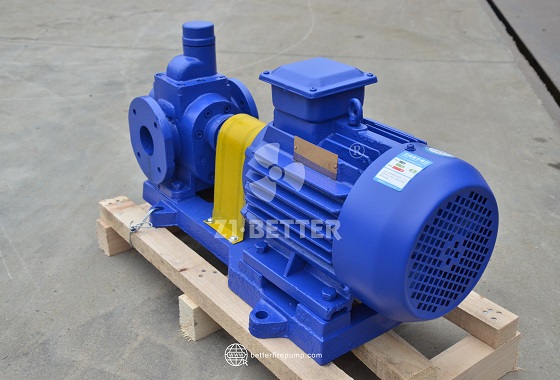
2. High-efficiency motor configuration ensures long-term stable output. Under continuous operating conditions, motor performance directly determines the reliability level of the fire pump. Electric fire pumps are typically equipped with high-efficiency motors specifically designed for fire protection, with a focus on temperature rise control and electrical stability under long-term full-load operation. The motor has a high insulation class, capable of withstanding the heat generated by continuous power supply and effectively preventing insulation aging. Optimized stator and rotor structures and heat dissipation methods ensure the motor maintains a reasonable temperature range during continuous operation, preventing overheating-induced protection shutdowns. Stable speed output ensures the fire pump maintains constant flow and pressure throughout its operating cycle, providing continuous and reliable water support to the fire protection network and meeting the stringent requirements for uninterrupted water supply at fire scenes.
3. Optimized Hydraulic Structure Reduces Energy Consumption During Continuous Operation
Energy consumption control is equally crucial for fire pumps during continuous operation. Electric fire pumps optimize impeller profile design and internal flow channel structure to ensure smooth water flow within the pump body, reducing turbulence and hydraulic losses. This hydraulic optimization not only improves overall efficiency but also effectively reduces energy consumption and mechanical load during operation. Under long-term continuous operation, lower hydraulic losses mean lower pump body temperature rise and less wear on bearings and seals, thus extending equipment lifespan. Simultaneously, high-efficiency operation reduces the overall energy consumption of the fire pump room, providing a reliable guarantee for large buildings and industrial projects to meet fire safety requirements while also ensuring operational economy.
4. Durability Design of Bearing and Sealing Systems
Continuous operation places extremely high demands on bearing and sealing systems. Electric fire pumps typically employ heavy-duty bearing structures, capable of maintaining stable operation under long-term high-speed rotation and continuous load. Reasonable bearing arrangement and sufficient lubrication ensure that excessive temperature rise or abnormal wear is unlikely during long-term operation. The sealing system is also reinforced for continuous operation. By using wear-resistant and temperature-resistant materials, it ensures the shaft seal maintains excellent sealing performance during long-term water supply, preventing leakage from affecting system pressure stability. A stable and reliable bearing and sealing system is a crucial foundation for the electric fire pump's ability to operate continuously.
5. Compact Structure Facilitates Continuous Operation Environment Layout
In actual fire pump rooms, equipment often needs to be in standby or operational status for extended periods. Spatial layout and ease of maintenance also affect the reliability of continuous operation. The electric fire pump adopts a compact integrated structure design, occupying a small area and facilitating reasonable layout within the pump room, thus optimizing ventilation and heat dissipation. Good environmental adaptability prevents the equipment from being affected by heat buildup due to space constraints during long-term operation, thereby improving overall operational stability. At the same time, the compact structure reduces pipe bends and unnecessary connection losses, creating a good foundation for the fire pump to maintain stable performance under continuous water supply conditions.
6. Stable Pressure Output Meets Continuous Firefighting Needs
Continuous firefighting operations require extremely high stability in water supply pressure. Electric fire pumps, through precise hydraulic design and reasonable speed control, maintain stable pressure output during continuous operation, without significant fluctuations over extended operating time. This stable pressure output ensures that fire hoses, sprinkler systems, and other fire extinguishing devices operate at their optimal state, providing reliable support for on-site firefighting operations. For large buildings and industrial sites, this continuous and stable pressure supply capability of electric fire pumps is crucial for ensuring the overall effectiveness of the system.
7. System Matching Capability for Various Continuous Operating Conditions
Fire protection systems operate under various continuous operating conditions in practice, such as simultaneous water use at multiple points and changes in pipeline pressure. Electric fire pumps possess excellent system adaptability, enabling stable operation under different load conditions. Through proper selection and system matching, fire pumps can remain within their high-efficiency range during continuous operation, avoiding mechanical shocks caused by frequent adjustments. This adaptability to complex operating conditions makes them perform exceptionally well in high-rise buildings, industrial parks, and large public facilities, fully demonstrating the product's comprehensive performance advantages in continuous operation.
8. Material Selection Enhances Long-Term Operational Reliability
Continuous operation places higher demands on material durability. The selection of materials for key components in electric fire pumps fully considers factors such as long-term water erosion, temperature changes, and mechanical stress. The pump body, impeller, and shaft components are made of corrosion-resistant, high-strength materials, ensuring structural integrity and stable performance under prolonged operating conditions. This rational material selection reduces performance degradation caused by wear or corrosion, ensuring the fire pump remains reliable throughout its continuous operating cycle.
9. Maintenance-Friendly Design for Continuous Operation
Although electric fire pumps are designed for long-term continuous operation, proper maintenance is still essential. The product's structural design considers ease of maintenance, with a clear layout of key components and simple daily inspection and maintenance operations. This maintenance-friendly design allows for the rapid detection and handling of potential problems during continuous operation, preventing minor faults from escalating into systemic risks, thus ensuring the long-term, stable, and safe operation of the fire protection system.
10. Advantages of Continuous Operation in Fixed Fire Protection Systems
In fixed fire protection systems, electric fire pumps typically undertake the main water supply task, and their continuous operation capability directly determines system reliability. With stable power supply, efficient structural design, and mature operation control methods, electric fire pumps exhibit excellent reliability and consistency under continuous operating conditions. Whether in building fire pump rooms or industrial fire stations, this type of equipment can remain readily available for extended periods, providing a solid guarantee for fire safety and fully demonstrating its core value in modern fire protection engineering.
In summary, electric fire pumps operating under continuous conditions exhibit multiple advantages in design and performance. From overall structure, motor configuration, hydraulic performance to the durability of key components and system adaptability, the products are optimized around the core requirement of long-term stable operation. It is this systematic design concept for continuous operation that enables electric fire pumps to continuously and reliably provide fire-fighting water in harsh fire environments, making them an indispensable piece of equipment in various fixed fire protection systems.
 WhatsApp me