

1. Diesel Power for Independent Operation
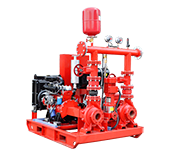
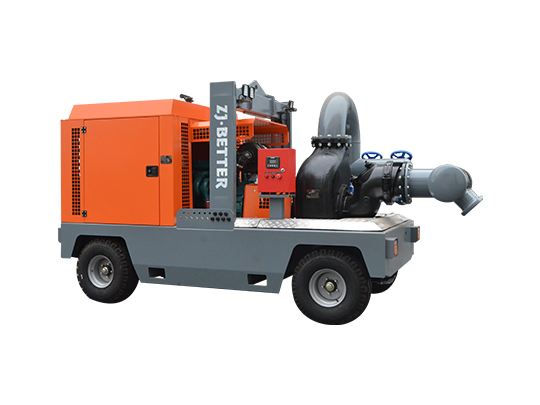
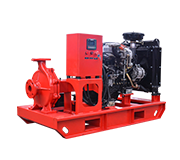
The diesel engine serves as the unit's primary power source, driving the fire pump via a coupling. This diesel-driven setup functions as an independent power configuration, making it ideal for projects requiring backup or autonomous power sources and ensuring continuous mechanical power for the fire water supply equipment.
2. Fire Pump for Core Water Delivery
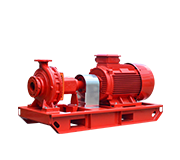
The fire pump is responsible for delivering water from the source to the fire protection piping network and establishing the necessary flow rate and pressure. Depending on engineering parameters, the system can be configured with end-suction, horizontal split-case, single-stage, or multi-stage fire pumps to align equipment performance with actual fire-fighting water demands.
3. Jockey Pump for Pressure Maintenance
The system can include a jockey pump to maintain baseline pressure within the fire protection piping network. Typically featuring a lower flow rate but potentially higher head than the main fire pump, the jockey pump accommodates minor pressure fluctuations and low-flow conditions, thereby preventing the main fire pump from cycling on and off frequently due to slight pressure variations.
4. Centralized Equipment Management via Control System
A control cabinet provides unified management for both the diesel fire pump and the jockey pump, enabling manual or automatic operation based on system configuration. Product specifications indicate that the control system includes features such as overload and overcurrent protection, facilitating equipment monitoring and operation for personnel.
5. Pressure Monitoring for Enhanced Operational Visibility
The unit can be equipped with monitoring components—such as pressure gauges and sensors—to track pressure levels within the fire protection piping network and during equipment operation. Access to real-time pressure data allows operators to gain a clear understanding of the system's status and manage equipment operation effectively based on established control logic. 6. Modular Installation via Common Base
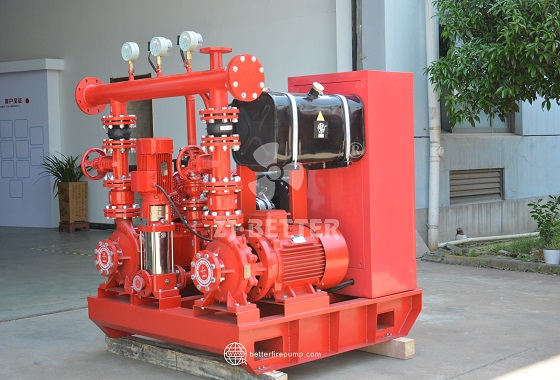
The diesel engine, fire pump, control components, and various accessories can be centrally mounted on a common base, forming an integrated fire water supply unit. This modular layout ensures a clear equipment arrangement and facilitates on-site installation, piping connections, and future maintenance.
7. Diverse Specifications to Meet Project Requirements
Fire water supply projects vary in their requirements for flow rate, head, nozzle size, and power output. Official specifications indicate that the relevant fire pump sets cover ranges of approximately 30–1250 GPM, 3–20 bar, and 25–800 mm nozzle diameters; specific models should be selected based on project design parameters.
8. Various Pump Types for Different Operating Conditions
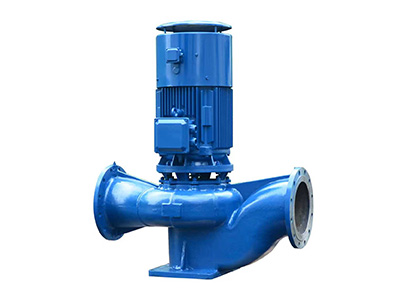
Depending on system capacity and head requirements, diesel fire water supply units can utilize various configurations, such as end-suction, horizontal split-case, vertical split-case, vertical in-line, or vertical turbine pumps. Different pump types accommodate diverse installation conditions and hydraulic needs, offering flexibility in system configuration.
9. Comprehensive Accessories for System Completeness
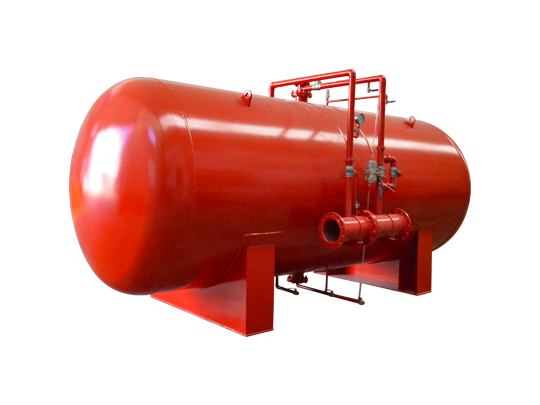
The complete unit can be equipped with accessories such as check valves, gate valves, pressure vessels, pressure gauges, pressure sensors, flexible joints, flanges, and common inlet/outlet piping. These components work in tandem with the main pump, diesel engine, and control system to create a fully integrated fire water supply assembly.
10. Suitable for a Wide Range of Fire Water Supply Projects
Diesel fire water supply units are applicable to warehouses, docks, airports, petrochemical facilities, power plants, liquefied gas facilities, textile mills, marine vessels, and other fire protection projects. Specific diesel pumps, jockey pumps, and control configurations can be selected based on the flow rate, head, environmental factors, and installation conditions of each project.
Diesel fire water supply units form a systematic equipment configuration integrating diesel power, fire pumps for water delivery, jockey pumps for pressure management, control systems, and auxiliary accessories. Their modular structure allows for flexible configuration based on project parameters, meeting a wide range of flow, head, and installation requirements. For fire water supply projects requiring independent diesel power, the proper matching of engine power, pump type, flow rate, and pressure parameters forms a crucial foundation for establishing a suitable fire pump system.
 WhatsApp me