

1. Independent Diesel Engine Power Configuration
This equipment utilizes a diesel engine as the prime mover, driving the fire pump through a mechanical transmission. This design eliminates total reliance on the local electrical grid to power the main pump. In fire protection projects that require an independent backup power source, this drive configuration provides an additional option for the fire water supply system.
2. Integrated Fuel Supply System Design
The fuel system provides the necessary fuel for the diesel engine; its fuel tank, supply lines, and associated connectors must be matched to the specific engine model. A well-planned fuel system layout facilitates fuel management and simplifies routine checks of fuel levels, pipe connections, and the overall status of the fuel supply.
3. Fuel Filtration Components
Fuel filtration components remove impurities and contaminants from the fuel, minimizing the risk of these substances entering the engine’s fuel system. Filters must be selected according to the engine manufacturer’s specifications, and filter elements should be inspected or replaced at scheduled maintenance intervals to ensure the fuel system remains in proper working order.
4. Radiator and Engine Cooling System
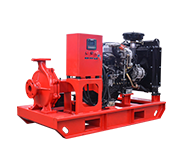
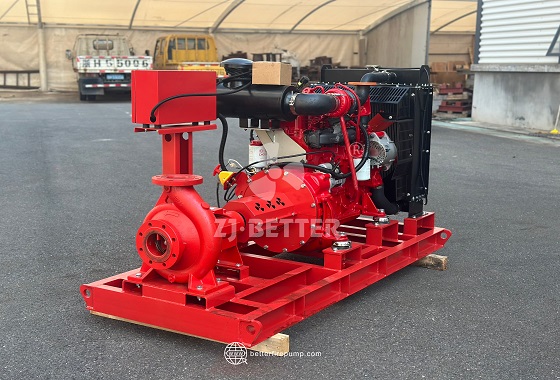
The black radiator visible in the image is part of the engine’s cooling system. As the engine generates heat during operation, the cooling system circulates coolant to regulate the engine’s temperature. The radiator specifications, cooling method, and fan configuration are determined based on the engine model and the operating environment.
5. Cooling System Layout for Easy Inspection and Maintenance
The radiator and engine are installed as a single unit, which simplifies the inspection of coolant levels, the cleanliness of the radiator surface, the operation of the cooling fan, and the condition of the connecting hoses. Keeping ventilation paths clear and promptly removing dust and debris helps maintain proper cooling conditions.
6. Power Matching Between Engine and Fire Pump
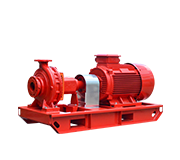
The diesel engine drives the horizontal fire pump via a power transmission assembly; the engine’s power output must match the power requirements of the pump. During selection, factors such as flow rate, head, rotational speed, and operating conditions must be considered to ensure that the power configuration aligns with actual water supply requirements.
7. Integrated Installation of Engine Auxiliary Components
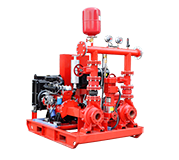
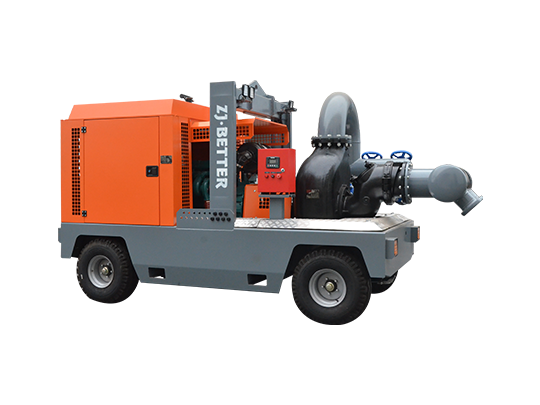
The equipment features the diesel engine, radiator, fuel system, and other auxiliary components mounted on a common base, forming a cohesive power unit. This integrated design clarifies the interconnections between components and facilitates transportation, on-site positioning, and routine inspections.
8. Dedicated Control Panel for Equipment Management
The unit is equipped with a dedicated control panel, which can be configured for equipment operation and monitoring of its running status. The control system can be tailored to project-specific requirements—including start-up methods, instrumentation displays, and alarm functions—with the precise control logic determined by the electrical design specifications.
9. Adaptability to Various Fire Protection Project Requirements
These diesel-powered fire pump units are suitable for industrial facilities, warehouses, commercial buildings, and other projects requiring a diesel-driven fire water supply. Users can select the appropriate engine, pump, and auxiliary system configurations based on design flow rate, head, available installation space, ambient temperature, and power requirements.
10. Emphasis on Routine Maintenance of Auxiliary Systems
Components such as fuel filters, fuel lines, coolant, radiators, fans, and the engine lubrication system require regular inspection. Following the manufacturer’s maintenance guidelines—including replacing filter elements, checking connections, and conducting start-up tests—allows for the early detection of anomalies and ensures the unit remains in a reliable, ready-to-operate state.
The auxiliary systems of a diesel fire pump engine are essential for the proper operation of the equipment. The fuel supply and filtration system ensure the engine receives high-quality fuel, the radiator and cooling components help regulate operating temperature, and the precise matching of the engine to the fire pump is critical to the overall water supply performance of the system. By selecting appropriate auxiliary components based on the engine model and specific operational requirements—complemented by proper installation, commissioning, and regular maintenance—it is possible to develop a well-structured and easily manageable power configuration for diesel-driven fire pumps, thereby providing essential equipment support for industrial and building fire-suppression water supply systems.
 WhatsApp me