
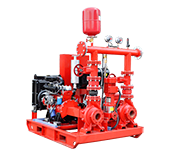
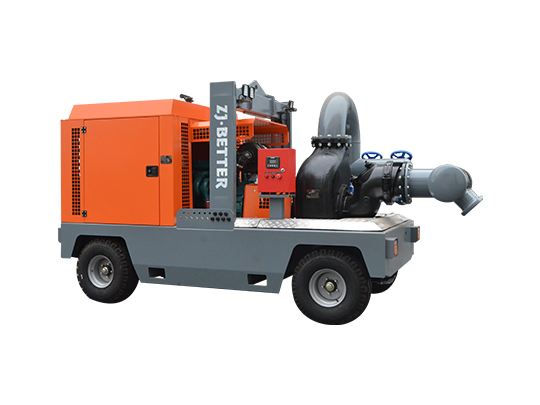
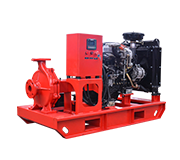
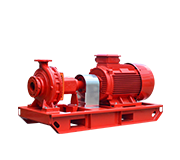
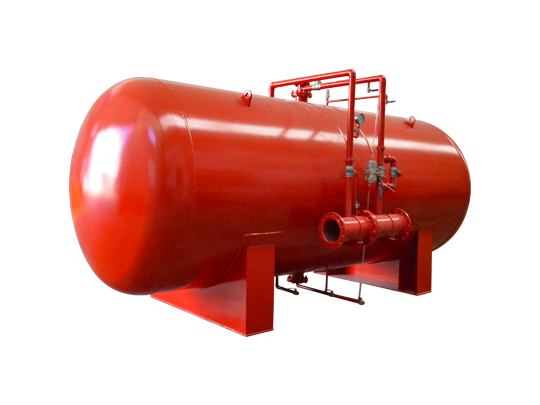
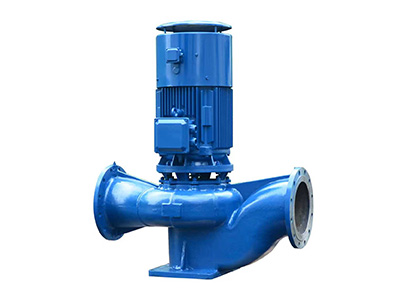

1. Precise Water Replenishment and Constant Pressure Maintenance Mechanism The core task of the fire-fighting water replenishment and pressure-stabilizing pump is not large-flow water delivery, but precise compensation when the system pressure fluctuates slightly. The equipment monitors the piping network status in real time through pressure sensors. When the pressure falls below the set lower limit, it automatically starts, slowly replenishing water with a very small flow rate to restore the system to the standard operating pressure range. This control method avoids the frequent start-stop problems of traditional main pumps, effectively extending the lifespan of the entire fire-fighting water supply system. 1. **Pressure Stabilizing Pump:** Utilizing a specially designed low-flow, high-lift hydraulic model, the pressure-stabilizing pump reduces water hammer and impact while maintaining pressure, ensuring the pipeline network operates in a gentle and stable state over the long term.
2. **Protective Function Against Main Pump Malfunction:** Without a pressure stabilizing pump, natural pressure relief in the system can trigger the automatic start of the main fire pump, wasting energy and potentially causing premature equipment aging. The makeup water pressure stabilizing pump intervenes early with a small flow rate to replenish pressure, controlling pressure fluctuations within a safe range and preventing main pump malfunction from the outset. This function is particularly important in high-rise buildings and large industrial fire protection systems, significantly improving system reliability and stability. During long-term operation, the pressure stabilizing pump acts as a "gatekeeper" for the main fire pump, ensuring it only starts under actual fire conditions.
3. **Automated Pressure Control and Intelligent Response:** Modern fire-fighting pressure stabilizing equipment is generally equipped with automatic control cabinets, enabling unattended operation. The system achieves precise start and stop through dual pressure setpoints, with stable and reliable operating logic. When the pipeline network experiences slow pressure relief or pressure fluctuations, the equipment can respond quickly and automatically replenish water. Meanwhile, the control system features overload protection, water shortage protection, and alarm output functions, providing multiple safety guarantees for the fire protection system. Intelligent control ensures the pressure-stabilizing pump is always in optimal operating condition, avoiding the risk of misoperation due to human intervention.
4. Professional Design with High Head and Low Flow Rate The design focus of the fire-fighting water supply pressure-stabilizing pump is high head and low flow rate, clearly distinguishing it from ordinary water supply pumps. Its working principle utilizes relatively low power to achieve high pressure compensation, meeting the stringent pressure stability requirements of the fire protection system. The pump body structure typically employs multi-stage or high-efficiency impellers, ensuring sufficient pressure replenishment capacity even under low flow conditions. This design minimizes energy consumption while ensuring the system maintains constant water pressure during long-term operation.
5. Extending the Overall Lifespan of the Fire Protection System The continuous water supply function of the pressure-stabilizing pump reduces mechanical wear and electrical shock to the main pump, avoiding structural fatigue problems caused by frequent starts. Simultaneously, a stable water pressure environment reduces the probability of leakage at pipe connections, extending the service life of the sprinkler system and valves. Through the long-term operation of this small device, the maintenance costs of the entire fire protection system can be significantly reduced, improving the long-term reliability and safety of the equipment.
6. Applicable to Various Building and Industrial Firefighting Scenarios
This type of water replenishment and pressure stabilizing pump is widely used in high-rise buildings, commercial complexes, warehousing and logistics centers, industrial plants, and underground projects. In these environments, the fire protection piping network is large and complex, making pressure attenuation a more significant issue. The pressure stabilizing pump, through continuous monitoring and automatic pressure replenishment, ensures the sprinkler system is always ready for immediate use, making it an irreplaceable component of large-scale fire water supply systems.
7. Compact Structure and Flexible Installation
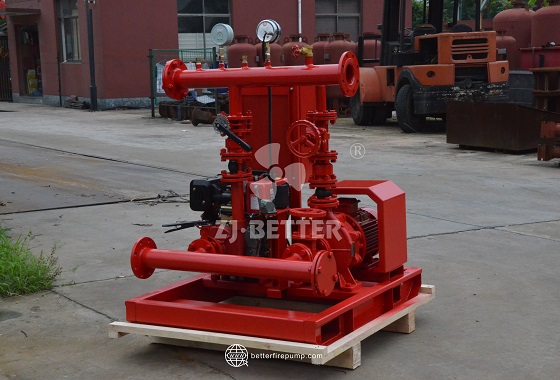
Fire water replenishment and pressure stabilizing pumps typically employ an integrated base structure, facilitating direct connection to the fire protection piping network. The equipment is small in size and requires minimal space, allowing for flexible installation in fire pump rooms or at key nodes in the piping network. Its structural design emphasizes simplicity and efficiency, significantly shortening the construction cycle, making it particularly suitable for renovation projects or buildings with limited space. The compact design not only saves installation space but also improves the overall rationality of the system layout.
8. Low Energy Consumption and Energy-Saving Advantages
Since the pressure stabilizing pump primarily handles small-flow water replenishment tasks, its power consumption is far lower than that of the main fire pump. The equipment only starts when necessary, with short operating times and low loads, thus significantly reducing energy consumption. In the long run, this energy-saving pressure replenishment method not only ensures fire safety but also aligns with the development trends of green building and energy-saving engineering, reducing operating costs for users.
9. Multiple Safety Protection Designs
To ensure stable operation even under extreme conditions, the fire-fighting water replenishment and pressure-stabilizing pump is equipped with multiple safety measures, including motor overload protection, automatic shutdown protection, system alarms, and backup interfaces. These protection mechanisms enable the equipment to respond promptly and issue warnings in case of abnormalities, preventing disruption to the standby status of the entire fire protection system and providing reliable protection for fire safety.
10. Long-Term Standby Reliability Guarantee
The most significant characteristic of fire protection systems is that they are "not used normally but essential when needed." The water replenishment and pressure-stabilizing pump is designed for this special operating condition, continuously maintaining system pressure during long-term standby to ensure that sprinklers and fire hydrants have a stable water supply capability immediately in the event of a fire. Its reliability directly affects the effectiveness of the fire protection system and is a crucial piece of equipment for ensuring building safety.
Although the fire-fighting system-specific water replenishment and pressure-stabilizing pump does not undertake the main fire-fighting water supply task, it plays an irreplaceable role in maintaining pipeline pressure, protecting the main pump, extending system life, and improving overall reliability. Through precise pressure replenishment and automatic control, this equipment ensures that the fire protection pipeline network is always in a stable and ready state, providing a solid guarantee for rapid response in the event of a fire. It is a crucial core component of modern fire protection water supply systems.
 WhatsApp me