
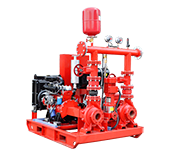
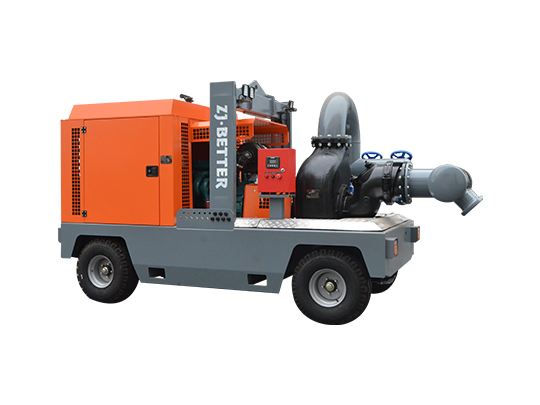
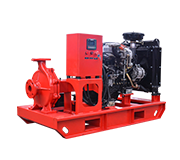
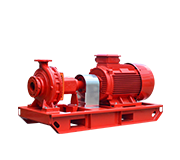

1. Special Requirements of the Petrochemical Industry for Fire-Fighting Water Supply Systems
Petrochemical enterprises typically store and process large quantities of flammable liquids, gases, and chemical raw materials. Their production facilities are widely distributed, and their pipeline networks are complex. A fire can not only cause equipment damage and economic losses but also trigger secondary disasters such as explosions and environmental pollution. Therefore, the petrochemical industry places extremely high demands on its fire-fighting water supply systems. The system must be on standby 24/7, capable of rapidly providing sufficient fire-fighting water under any circumstances. Simultaneously, the equipment must meet the requirements for long-term continuous operation to cope with sustained firefighting efforts in large-scale fire accidents. Diesel fire pump systems, due to their independent power source and high reliability, effectively meet the stringent fire safety requirements of the petrochemical industry.
2. Why Diesel Fire Pump Systems Have Become a Key Choice for Petrochemical Projects
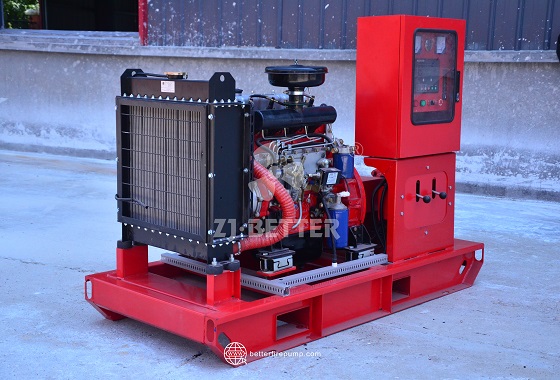
Compared to fire pumps that rely on external electricity, the biggest advantage of diesel fire pumps lies in their independent operating capability. When the power grid is interrupted due to fire, explosion, natural disasters, or equipment failure, the diesel engine can still drive the fire pump to operate normally. For petrochemical enterprises, fire accidents are often accompanied by the risk of damage to the power system. If fire-fighting equipment loses its power source, it will seriously affect fire-fighting efficiency. Diesel fire pump systems can serve as critical backup power equipment, immediately taking over the fire-fighting water supply task in emergencies, ensuring that the fire-fighting pipeline network maintains continuous pressure and flow output, thereby buying valuable time for fire fighting.
3. Rapid Start-up Capability Ensures Initial Firefighting Needs
The initial stage of a fire is a critical period for controlling the spread of the accident. Diesel fire pump systems are typically equipped with automatic start-up control devices. When the fire hydrant network pressure drops or the fire alarm system issues a start signal, the equipment can quickly start up and enter normal operation. Rapid start-up not only ensures timely water supply support for fire monitors, sprinkler systems, foam extinguishing systems, and fire hydrant systems, but also reduces the spread of fire. For key areas such as tank farms, loading and unloading areas, production workshops, and hazardous chemical warehouses, the rapid response capability of diesel fire pumps is a crucial foundation for ensuring fire safety.
4. High Flow and High Pressure Meet the Needs of Large-Scale Fire Protection Systems
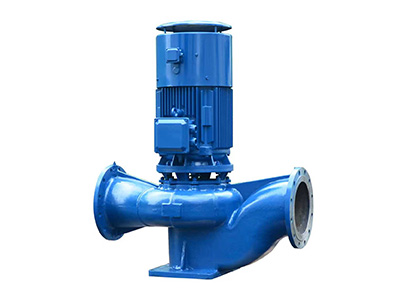
Petrochemical projects typically cover vast areas with extensive fire hydrant networks, requiring extremely high water supply capacity. Diesel fire pump systems can be designed with different flow rates and head configurations according to project scale, meeting the fire water supply needs of large oil tank farms, refining units, and chemical industrial parks. Through advanced hydraulic design, the equipment can continuously output stable pressure and high flow rates, ensuring that the fire extinguishing equipment can still operate during long-distance water transport. This high-performance water supply capability makes diesel fire pumps one of the core pieces of equipment in the petrochemical industry's fire protection systems.
5. Suitable for Foam Fire Suppression Systems' Water Supply Needs
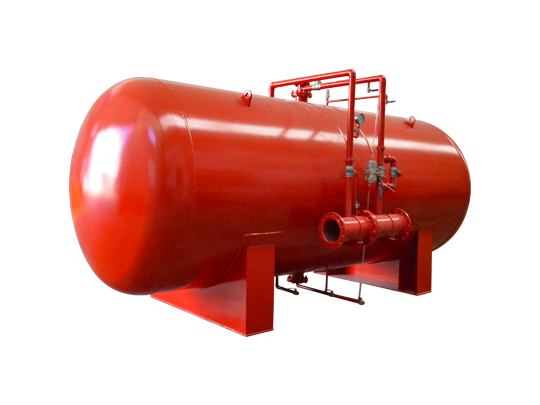
Most oil and chemical product fires are liquid fuel fires, and water alone has limited extinguishing effectiveness. Therefore, many projects utilize foam fire suppression systems for protection. Diesel fire pump systems provide a stable water supply to foam proportioning devices and foam spraying systems, ensuring that the foam liquid is mixed in the set proportions and delivered to the fire area. Stable pressure and flow control capabilities are crucial for the effectiveness of foam fire suppression; therefore, diesel fire pumps have wide application value in oil storage tanks, oil terminals, and chemical storage projects.
6. Robust Structural Design Adapts to Complex Industrial Environments
Petrochemical enterprises typically operate in complex environments with high temperatures, corrosive media, dust, and continuous vibration, placing higher demands on the reliability of fire protection equipment. Diesel fire pump systems utilize high-strength bases, corrosion-resistant pump body materials, and industrial-grade diesel engines, enabling them to withstand long-term high-load standby operation. Simultaneously, key components undergo rigorous protective treatment, effectively enhancing the equipment's resistance to corrosion and environmental interference. This robust and durable design ensures long-term stable operation of the equipment in harsh industrial environments, reducing the probability of failure.
7. Intelligent Control Systems Enhance Fire Management Efficiency
Modern diesel fire pump systems have gradually achieved intelligent upgrades. Equipped with intelligent control cabinets, these systems can monitor key parameters in real time, such as engine operating status, fuel level, battery voltage, oil pressure, water temperature, and system pressure. In case of abnormalities, the system can automatically alarm and record fault information, facilitating timely handling by maintenance personnel. Simultaneously, some systems also support remote monitoring and data transmission functions, enabling centralized management of fire equipment. Intelligent control technology not only improves equipment reliability but also helps petrochemical companies build a more comprehensive smart fire management system.
8. Meets International Fire Safety Standards and Industry Requirements
The petrochemical industry is a high-risk industry with extremely stringent requirements for fire equipment certification and standards. Diesel fire pump systems are typically designed and manufactured according to international fire safety standards and industry specifications, and undergo rigorous verification through performance testing, continuous operation testing, and automatic start-up testing. The equipment can meet the technical requirements of large-scale petrochemical projects for fire water supply systems, providing assurance for project acceptance and long-term operation. Diesel fire pump systems that meet standard requirements not only improve the project's safety level but also enhance the company's risk control capabilities.
9. Reduce Economic Losses from Major Accidents
A fire can cause production disruptions, equipment damage, and substantial economic losses. Diesel fire pump systems provide a stable and reliable fire water supply, helping companies quickly control fires in their early stages and reduce the scope of the accident. Simultaneously, their independent operation capability ensures the normal operation of the fire suppression system in critical moments, improving overall emergency response efficiency. From a long-term operational perspective, investing in highly reliable diesel fire pump systems effectively reduces accident risks and enhances the safety of corporate assets.
10. Promote Fire Safety Upgrades in the Petrochemical Industry
As the petrochemical industry continues to expand and safety standards rise, fire protection systems are also constantly being upgraded. Future diesel fire pump systems will further integrate intelligent monitoring, remote control, predictive maintenance, and digital management technologies to achieve more efficient operation. Working in conjunction with a smart fire protection platform, the equipment can provide real-time data support and fault warning functions, helping companies build a safer, more efficient, and intelligent fire protection system. Diesel fire pumps are not only fire water supply equipment but also an important component of the modern petrochemical enterprise's safety production system.
Diesel fire pump systems, with their advantages of independent power, high-flow water supply, rapid start-up, and long-term stable operation, have become a crucial core equipment for fire safety construction in the petrochemical industry. Whether in oil storage tank areas, refining units, chemical production bases, or hazardous materials storage centers, diesel fire pumps provide reliable fire water supply. With the development of intelligent and digital technologies, diesel fire pump systems will play an even more important role in future petrochemical industry fire protection projects, providing solid support for enterprise safety production, asset protection, and fire emergency management.
 WhatsApp me