
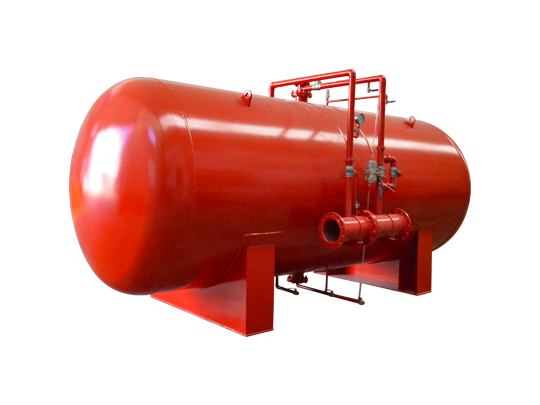
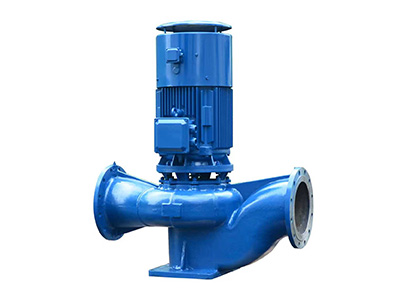

1. Integrated Design Meets Overall Fire Protection Engineering Needs
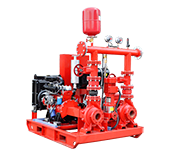
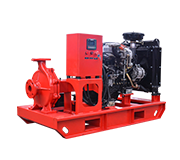
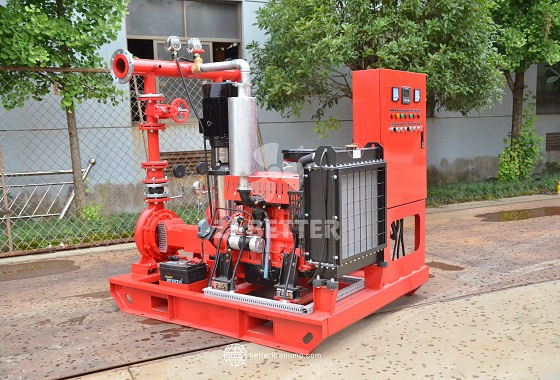
Diesel engine fire pump systems adopt a highly integrated integrated design concept, uniformly configuring the diesel engine, fire pump, control system, cooling system, fuel system, and foundation base. This design effectively avoids the matching difficulties encountered during on-site installation of traditional decentralized equipment, ensuring that the entire system is fully matched and debugged before leaving the factory. The standardized structure not only shortens the project delivery cycle but also reduces the complexity of construction, making it particularly suitable for fire protection projects with strict time constraints. Furthermore, the complete set of equipment fully considers fire protection regulations during the design phase, possessing clear engineering adaptability in key indicators such as flow rate, head, and start-up time, providing stable assurance for the overall operation of the fire protection system.
2. Diesel Drive Ensures Independent Operation Under Extreme Conditions
One of the most important principles in fire protection engineering is "reliability first." Diesel engine fire pump systems use diesel engines as their power source, maintaining independent operation even in extreme situations such as municipal power outages or power distribution system failures due to fires. Compared to pure electric fire pump systems, diesel drive does not rely on external power sources, significantly improving the system's safety redundancy level. The engines typically employ industrial-grade configurations, possessing long-term continuous operation capabilities, ensuring a stable and continuous power output throughout the entire firefighting process, guaranteeing a constant water supply to the fire pumps and saving valuable time for firefighting operations.
3. Dedicated Fire Pumps Ensure Efficient and Stable Water Supply
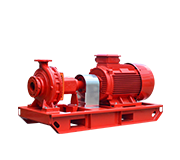
The dedicated fire pumps included in the complete set of equipment are typically centrifugal pumps, specifically optimized for firefighting conditions. The pump body is structurally designed for high efficiency and cavitation resistance, ensuring stable flow and head output even under prolonged high-load operation. The materials selected for the fire pump balance strength and corrosion resistance, making it suitable for clean water and common media in fire protection systems, minimizing performance degradation over long-term operation. By precisely matching the engine output power with the pump performance curves, the entire system can quickly reach its rated operating state after startup, meeting the stringent requirements of fire protection systems for "rapid water supply."
4. Automatic Control System Improves Response Efficiency Modern diesel engine fire pump systems are generally equipped with intelligent control systems for automatic start-up, operation monitoring, and fault alarm functions. When the fire protection system detects a drop in pipeline pressure or receives a start signal, the control system can complete engine startup and pump unit operation in a very short time. The control panel integrates multiple parameter display functions, including key operating data such as speed, water pressure, water temperature, and oil pressure, allowing maintenance personnel to intuitively grasp the equipment status. Furthermore, the control system has a dual-mode switching capability between manual and automatic modes, ensuring that manual intervention can still maintain equipment operation in special circumstances.
5. Rational Structural Layout Facilitates Installation
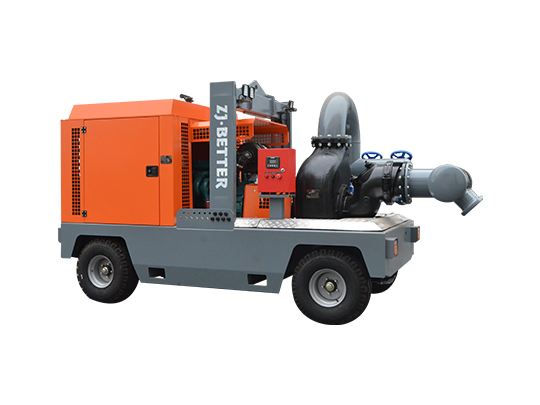
The diesel engine fire pump system's structural layout fully considers the installation conditions at the fire protection engineering site. The overall steel structure base design ensures stability and facilitates overall hoisting and positioning. The inlet and outlet pipe interface locations are clearly defined, conforming to the conventional layout of fire protection pipe networks, reducing on-site pipe modification work. The compact structural layout not only saves equipment floor space but also facilitates the rational planning of pump room space. For projects requiring outdoor installation, additional protective structures or machine room solutions can be added to ensure safe operation under various environmental conditions.
6. Cooling and Heat Dissipation System Ensures Long-Term Operation
During fire fighting, fire pumps often need to operate continuously for extended periods, placing higher demands on the equipment's heat dissipation capabilities. Diesel engine fire pump systems are typically equipped with a high-efficiency cooling system that uses air or water cooling to promptly remove heat generated during engine operation, preventing performance degradation or shutdown risks due to overheating. A rationally designed heat dissipation channel ensures smooth air or cooling water flow, allowing the equipment to maintain stable operation in high-temperature environments or enclosed pump rooms, providing reliable support for continuous water supply.
7. Adaptable to Multiple Fire Protection Engineering Applications
Diesel engine fire pump systems offer high application flexibility in practical engineering, widely applicable to industrial plants, commercial complexes, high-rise buildings, logistics warehouses, tunnel projects, and municipal infrastructure. Different projects can select appropriate equipment specifications based on design flow rate, head, and operating environment to achieve targeted configuration. Whether used as a main fire pump, a standby pump, or an emergency pump, the system is highly compatible with the overall fire protection system, meeting the design requirements of various types of fire protection projects.
8. Durable Design Reduces Long-Term Maintenance Costs
From the perspective of the entire lifecycle of fire protection engineering, equipment durability directly impacts maintenance costs. Diesel engine fire pump systems are designed with structural strength and component reliability in mind, using wear-resistant and high-temperature-resistant materials in key components to reduce maintenance pressure caused by frequent repairs. A rational component layout makes daily inspection, maintenance, and replacement operations more convenient, helping to shorten maintenance time and reduce labor costs. Long-term stable operating performance ensures the equipment remains in good condition throughout its service life, bringing higher returns on investment for project owners.
9. Compliance with Fire Protection Codes and Engineering Acceptance Requirements
Fire protection engineering has strict requirements for equipment compliance. During the design and configuration of diesel engine fire pump systems, relevant fire protection standards and engineering specifications are fully referenced, and key indicators such as start-up time, rated performance, and operational stability are controlled. The equipment meets the requirements of fire protection system linkage testing during the engineering acceptance phase, ensuring availability and reliability in actual fire scenarios. Standardized design not only helps the project pass acceptance smoothly but also provides clear technical guarantees for subsequent use.
10. Providing Reliable Support for Large-Scale Fire Protection Projects
In large-scale fire protection projects, any equipment failure can have serious consequences. Diesel engine fire pump systems, with their independent power supply, high reliability, and complete system advantages, have become core equipment in many projects. Through stable and continuous water supply, they provide a solid foundation for the fire protection system, enabling efficient and orderly firefighting operations. Their widespread application in actual projects fully demonstrates the important value of this type of equipment in the fire safety system.
Diesel engine fire pump systems that meet the needs of fire protection engineering are an indispensable and important component of modern fire protection systems. With its integrated design, independent diesel drive, stable water supply capacity, and intelligent control configuration, this type of equipment plays a crucial role in ensuring fire safety. Whether in emergency response under complex conditions or in its reliable performance during long-term operation, diesel engine fire pump systems demonstrate extremely high engineering application value. For fire protection projects that demand high safety standards and high reliability, this type of equipment is undoubtedly a trustworthy core solution.
 WhatsApp me