
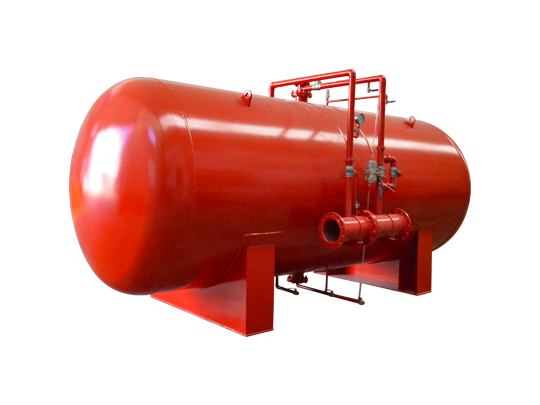
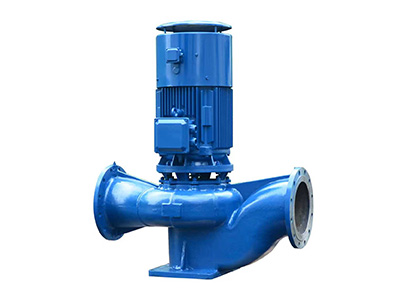

1. Basic Principles and Design Characteristics of Direct-Drive Structure
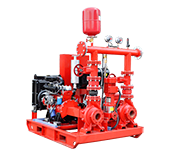
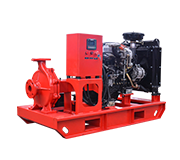
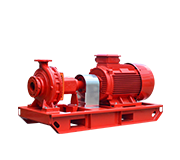
Direct-drive fire pumps adopt a structure where the motor and pump shaft are directly connected coaxially, eliminating traditional intermediate transmission components such as couplings, belts, or gears. This allows power to be directly transmitted from the motor to the pump impeller. This structure significantly reduces energy loss and improves mechanical transmission efficiency. Due to the reduced number of rotating parts, the entire machine experiences less vibration during operation, resulting in smoother operation and improved reliability for long-term standby conditions. Furthermore, the direct-drive structure emphasizes shaft alignment accuracy and concentricity control during the design phase, creating an integrated structure between the motor and pump body, providing a solid foundation for the rapid response of the fire protection system.
2. Installation and Space Advantages Due to Compact Structure
In many industrial plants, high-rise buildings, and underground pump rooms, the installation space for fire protection equipment is often limited. Direct-drive fire pumps, by eliminating the intermediate transmission mechanism, have a significantly shorter overall length and smaller footprint. Their base structure usually adopts an integrated steel frame, facilitating overall lifting and positioning during installation. This compact layout not only improves the utilization of pump room space but also simplifies pipe layout, reducing system resistance losses. In new construction or renovation projects, direct-drive fire pumps are easier to integrate with existing fire protection networks, reducing construction difficulty and overall engineering costs.
3. Reduced Transmission Loss and Improved Output Efficiency
In fire protection systems, the ability of the pump unit to reach its rated flow and pressure in a short time is crucial. Direct-drive fire pumps, because the power acts directly on the impeller, avoid energy losses caused by belt slippage, coupling deviations, and other factors in traditional transmission methods. In actual operation, it exhibits faster startup response and shorter pressure build-up time, enabling rapid water supply to sprinkler systems or fire hydrant systems in the early stages of a fire. This efficient energy transfer method not only helps meet fire safety regulations regarding startup performance but also enhances the overall stability and controllability of the system.
4. Operational Stability and Low Vibration Characteristics
Fire pumps are typically in a long-term standby state and require continuous and stable operation once started. The direct-drive motor structure, due to its short transmission chain and fewer rotating parts, effectively reduces mechanical vibration and noise levels. Low-vibration operation reduces wear on bearings, seals, and internal components of the pump body, extending equipment lifespan. Simultaneously, stable operation reduces the risk of pipe loosening and flange leakage caused by vibration, ensuring reliable operation of the fire protection system at critical moments.
5. The Importance of Startup Reliability to Fire Protection Systems
In the event of a fire, the success rate of fire pump startup directly relates to personnel safety and property protection. The direct-drive fire pump, due to its simple structure and clear control logic, allows the motor to quickly drive the pump body after the control system issues a startup command, reducing the probability of startup failure. Compared to complex transmission structures, the direct-drive pump unit is more adaptable to environmental changes and prolonged downtime, maintaining good startup performance even under high temperature, high humidity, or frequent standby conditions, meeting the strict "always ready" requirements of fire protection systems.
6. Ease of Maintenance and Operating Cost Control
From a maintenance perspective, the direct-drive fire pump is simpler and more efficient to maintain. Because it eliminates wear-prone components such as belts and couplings, daily inspections focus primarily on core components such as the motor, control system, and pump body seals. This not only reduces maintenance frequency but also lowers the risk of downtime due to component wear. For long-running fire protection systems, reduced maintenance costs mean higher system availability and lower life cycle costs, making it particularly suitable for fixed fire protection projects with extremely high reliability requirements.
7. Adaptability to Various Fire Protection System Configurations
The direct-drive fire pump can be widely used in automatic sprinkler systems, indoor and outdoor fire hydrant systems, and industrial fire water supply systems. Its structural form facilitates integration with pressure regulators, control cabinets, and piping systems to form a complete fire pump unit solution. Under varying flow rate and head requirements, direct-coupled fire pumps can meet diverse operating conditions through proper selection, providing stable and reliable fire water supply support for commercial buildings, industrial parks, and warehousing and logistics centers.
8. Material and Manufacturing Process Guaranteeing Reliability
To meet the long-term reliable operation requirements of fire protection systems, direct-coupled motor fire pumps have high standards in material selection and manufacturing processes. The pump body typically uses high-strength cast iron or corrosion-resistant materials, and the impeller undergoes precise dynamic balancing to ensure smooth operation. The connection between the motor and the pump shaft is subject to rigorous processing and assembly testing to ensure coaxiality and sealing performance. These detailed design and manufacturing process improvements enable the equipment to maintain stable performance even under high load and emergency conditions.
9. System Compatibility in Compliance with Fire Safety Regulations
In fire protection engineering applications, whether the equipment complies with relevant regulations is an important prerequisite for project acceptance. Direct-coupled motor fire pumps are designed with full consideration of compatibility with fire control systems, power systems, and pipe network systems, facilitating automatic start-up, remote monitoring, and linkage control. Its structural form helps to simplify the overall system, reduce potential failure points, and thus improve the overall reliability and safety of the fire protection system in emergency situations.
10. Long-Term Operating Value and Engineering Application Advantages
From an engineering application perspective, direct-coupled motor fire pumps not only meet the basic water supply needs of fire protection systems but also demonstrate comprehensive advantages of stability, efficiency, and low maintenance in long-term operation. Its structural design ensures high operational reliability throughout its lifecycle, reducing the impact of sudden failures on the fire protection system. For building and industrial projects that pursue high safety standards and high operating efficiency, this type of fire pump equipment has become an important component of fixed fire protection systems.
In summary, direct-coupled motor fire pumps provide reliable water supply assurance for modern fire protection systems by simplifying the transmission structure, improving energy utilization efficiency, and enhancing operational stability. Its comprehensive advantages in rapid response, long-term standby, and low maintenance costs make it demonstrate outstanding application value in various fixed fire protection projects. As fire safety standards continue to improve, direct-coupled motor fire pumps will continue to play a key role in the field of fire water supply, providing solid protection for the safe operation of buildings and industrial facilities.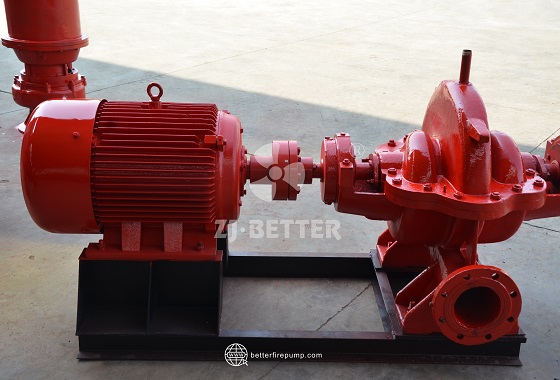
 WhatsApp me