

1. Independent Diesel Power Configuration
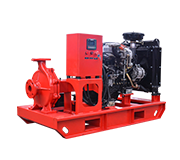
The equipment uses a diesel engine to drive the fire pump, eliminating reliance on a fixed power grid as the sole energy source. In situations where the power supply is limited or backup power is required, the diesel engine provides the necessary mechanical drive, enhancing the fire water supply system's adaptability to various operating conditions.
2. Fire Pump as the Core Water Supply Component
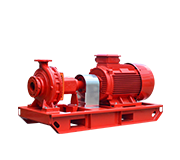
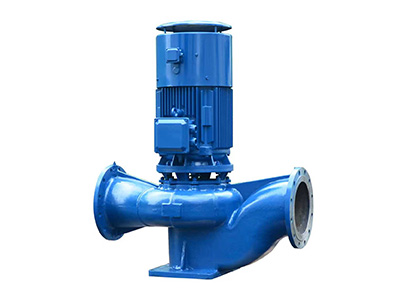
The fire pump serves as the system's primary hydraulic component. It converts mechanical energy into water pressure and velocity through impeller rotation, delivering water from the source to the piping network or designated area. Various pump configurations can be selected to match specific project needs.
3. Optimal Matching of Power and Hydraulic Parameters
The diesel engine's power rating is selected based on the fire pump's flow rate, head, rotational speed, and actual operating conditions. Proper matching ensures the engine's output aligns with the pump's operational demands, preventing significant discrepancies between equipment selection and project design specifications.
4. Flexible Configuration Based on Project Needs
Fire protection projects vary in their requirements for flow rate, head, pressure, pipe diameter, and installation environment; therefore, the equipment can be assembled according to specific project parameters. The fire pump, diesel engine, and auxiliary systems can all be optimally matched to meet project requirements.
5. Integrated Equipment Structure
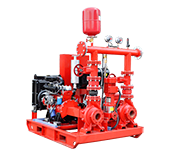
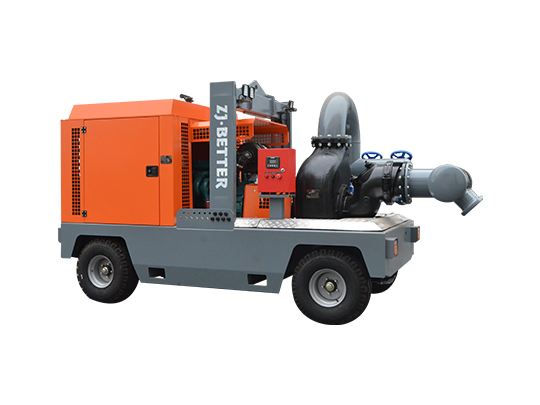
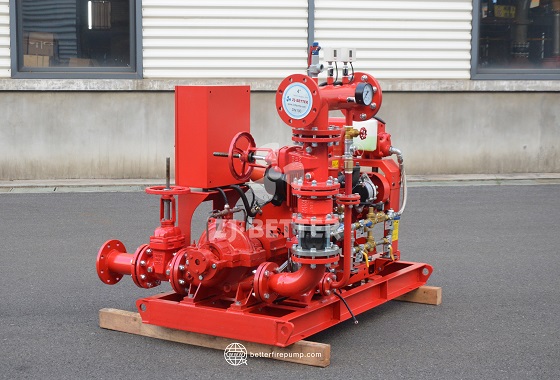
The diesel engine, fire pump, and associated control and piping components can be mounted on a common base frame, forming a complete diesel fire pump station unit. This centralized layout minimizes the need for scattered on-site equipment placement, facilitating transportation, positioning, installation, and ongoing management.
6. Control System for Centralized Management
The equipment can be fitted with a dedicated control cabinet for centralized management of the diesel fire pump and jockey pump (pressure maintenance pump), enabling automatic or manual operation depending on the system configuration. Operational management can be integrated with pressure monitoring signals, and corresponding protection functions—such as overcurrent and overload protection—can be configured.
7. Pressure Monitoring and Auxiliary Operation
In accordance with fire protection system design requirements, the equipment can be fitted with pressure gauges, pressure sensors, and pressure-stabilizing components to monitor and assist in regulating the pressure within the fire-fighting piping network. When system pressure fluctuates, the resulting monitoring signals provide the control system with the data needed to make operational decisions.
8. Pressure-Stabilizing Pump for Network Pressure Maintenance
For systems requiring the maintenance of baseline pressure in the fire-fighting network during normal operation, a pressure-stabilizing pump (jockey pump) can be installed. Typically characterized by low flow rates and high head, this pump handles minor, routine pressure fluctuations, thereby reducing the frequency of main fire pump startups caused by slight pressure variations.
9. Centralized Configuration of Piping and Valves
The complete unit can be configured with accessories such as check valves, gate valves, pressure monitoring components, flanges, flexible joints, and inlet/outlet piping based on project requirements. These components are arranged centrally, integrating the power, hydraulic, control, and piping systems into a cohesive equipment assembly.
10. Suitable for Various Critical Fire Protection Projects
Diesel emergency fire pump stations are suitable for fire-fighting water supply applications in industrial plants, warehousing facilities, logistics hubs, ports, airports, power facilities, petrochemical projects, and large-scale buildings. Specific equipment specifications should be selected based on required fire-fighting flow rates, system head, pressure, installation environment, and power supply conditions.
By effectively integrating components such as an independent diesel engine power source, a fire pump for hydraulic delivery, a control system, pressure monitoring devices, and auxiliary piping, the diesel emergency fire pump station offers a solution characterized by independent power capabilities. The equipment structure, pump type, diesel engine power, and pressure control components can be configured according to specific project parameters, ensuring excellent adaptability for industrial, warehousing, port, airport, and large-scale building projects that require backup power or demand high continuity in fire-fighting water supply.
 WhatsApp me