
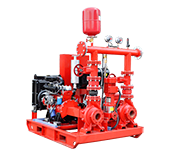
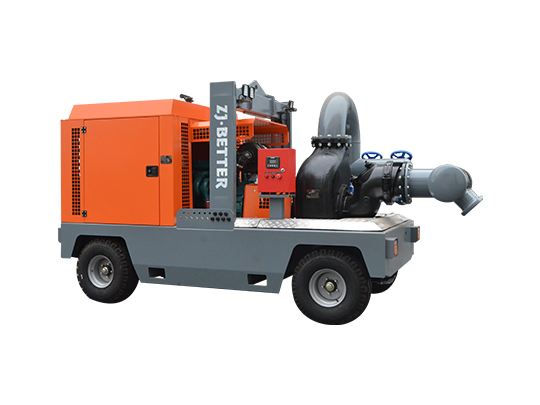
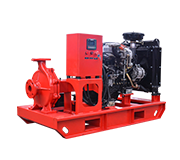
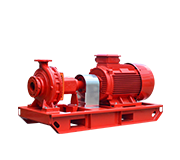

1. Independent Diesel Power Structure Ensures Stable Operation in Power Outages
The biggest core advantage of diesel-powered fire pump units is their complete independence from the municipal power system. Even in cases where a fire causes the power system to fail or the power supply is unstable, the unit can still continuously output power using the diesel engine, ensuring uninterrupted fire water supply. These products typically use industrial-grade diesel engines with high torque, strong starting capabilities, and good environmental adaptability, allowing them to operate stably under high temperature, low temperature, and high humidity conditions. Through a mature mechanical transmission structure, the diesel engine power is efficiently transferred to the water pump, reducing energy loss and improving overall operating efficiency. This independent power design makes it an important safety device in fire protection systems for high-rise buildings, industrial plants, warehousing and logistics centers, and remote areas.
2. Compatible with Fire Hydrant and Sprinkler Systems, Achieving Dual System Water Supply
This diesel fire pump unit was designed from the outset to fully consider the different water requirements of fire hydrant systems and automatic sprinkler systems. Through reasonable flow rate and head configuration, the unit can simultaneously meet the water supply requirements of both types of fire protection networks in the same system. Fire hydrant systems emphasize instantaneous high-flow output, while sprinkler systems focus more on continuous and stable water supply. The diesel fire pump unit achieves a balance between these two operating conditions by optimizing the hydraulic model and impeller structure. Whether for manual fire extinguishing in the initial stages of a fire or automatic sprinkler control during the fire's development, stable and sufficient water sources are provided, significantly improving the overall reliability and response efficiency of the fire protection system. 3. High-Efficiency Water Pump Structure Design, Enhancing Flow Rate and Head Performance
As the core component of the fire pump unit, the performance of the water pump directly determines the system's water supply capacity. This type of diesel fire pump typically uses a high-efficiency centrifugal pump structure, combined with a precision-cast pump body and wear-resistant impeller design, effectively improving hydraulic efficiency and reducing operating energy consumption. In high-head demand scenarios, the internal flow channels of the pump body are optimized to reduce turbulence and energy loss, resulting in a smoother water flow. At the same time, the pump shaft and sealing system use high-temperature and wear-resistant materials to ensure good sealing performance during long-term continuous operation, preventing pressure drops due to leakage and providing continuous and reliable water supply for the fire fighting system.
4. Automatic Start and Intelligent Control, Shortening Emergency Response Time
In the event of a fire, the response speed of fire fighting equipment is crucial. Diesel fire pump units are usually equipped with automatic start and intelligent control systems, which can quickly complete the startup process after detecting a drop in pipeline pressure or receiving a fire signal. The control system can monitor key parameters such as engine speed, oil pressure, water pressure, and temperature in real time, and automatically adjust the operating state according to working conditions, ensuring that the equipment always operates in the optimal working range. This automated control method not only reduces the need for manual intervention but also significantly reduces the risk caused by operational delays, allowing the fire fighting system to be put into operation immediately at critical moments.
5. Robust Base and Integrated Frame, Improving Equipment Operating Stability
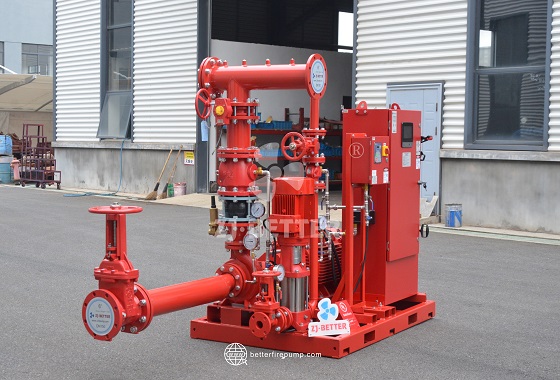
Diesel fire pump units typically adopt an integrated steel structure base design, integrating key components such as the diesel engine, water pump, and control system onto the same frame. This structure not only facilitates transportation and installation but also effectively reduces vibration and displacement during operation. The base is reinforced and has good impact resistance and deformation resistance, maintaining a stable posture even under high-load operation or in complex environmental conditions. A stable mechanical structure helps extend the service life of the equipment, reduce maintenance frequency, and thus reduce long-term operating costs.
6. Adaptable to Multiple Application Scenarios, Covering Industrial and Civil Fields
Independent diesel-powered fire pump units have a wide range of applications. In the industrial sector, they can provide reliable fire water supply for high-risk locations such as chemical plants, power facilities, and manufacturing workshops; in civil buildings, they are commonly used in large commercial complexes, hotels, hospitals, and high-rise residential projects. The unit can be flexibly adjusted in terms of flow rate, head, and configuration to suit different application scenarios and meet specific fire safety regulations and design requirements. This high degree of adaptability makes it a common and reliable core equipment in various fire protection projects.
7. Durable Materials and Anti-Corrosion Design for Enhanced Long-Term Reliability
Firefighting equipment often needs to be stored for extended periods in a standby state, and must ensure stable and reliable performance when activated. Diesel fire pump units typically use high-strength metals and corrosion-resistant coatings in their material selection, effectively resisting the effects of humid air, water vapor, and some corrosive media. Key components such as the pump body, pipe interfaces, and fasteners are all treated with anti-rust treatment to ensure that they do not age or damage during long-term use. This durable design provides a solid foundation for the equipment to maintain stable performance throughout its lifecycle.
8. Convenient Maintenance Design to Reduce Operating and Management Costs
In actual use, the ease of maintenance directly affects management costs and operating efficiency. The diesel fire pump unit's structural design fully considers inspection and maintenance needs, with a reasonable layout of major components for easy daily inspection and regular maintenance. Key parts such as filters, lubrication systems, and cooling systems are easy to disassemble and assemble, allowing maintenance personnel to quickly complete maintenance tasks. Good maintenance design not only reduces equipment downtime but also helps to identify potential problems in a timely manner, preventing equipment failures from affecting the normal operation of the fire protection system.
9. Compliance with Fire Safety Regulations, Facilitating Smooth Project Acceptance
Fire protection projects must strictly adhere to relevant regulations and standards during construction. Independent diesel-powered fire pump units, in their design and manufacturing stages, typically fully consider the requirements of fire protection systems for flow rate, pressure, and reliability, and can meet the technical indicators of fire hydrant systems and sprinkler systems. Its stable performance helps the project to successfully pass relevant tests during the acceptance phase, providing a guarantee for the building's commissioning. At the same time, the standardized design concept makes it easier to integrate into the overall fire protection system solution, reducing subsequent adjustment and modification costs.
10. Enhancing the Overall Safety Level of the Fire Protection System
As a key equipment in the fire water supply system, the performance of the diesel fire pump unit directly affects the safety level of the entire fire protection system. Its stable water supply capacity, rapid response speed, and reliable operation ensure that it can continuously provide sufficient water to fire hydrants and sprinkler systems during a fire, effectively controlling the spread of the fire. By incorporating an independent diesel power system, the fire protection system gains greater resilience in the face of emergencies, thus providing valuable time for personnel evacuation and firefighting and rescue operations during critical moments.
In summary, independent diesel-powered fire pump units, with their operation independent of electricity, compatibility with both fire hydrant and sprinkler systems, and stable and reliable overall performance, have become indispensable equipment in modern fire protection engineering. Whether in industrial buildings or civil facilities, these products provide a solid guarantee for fire prevention and control through continuous and stable water supply. Through scientific structural design, intelligent control, and the use of durable and reliable materials, diesel fire pump units not only enhance the safety level of the fire protection system but also lay a reliable foundation for the long-term stable operation of the project.
 WhatsApp me