

1. Customization of Specifications and Dimensions
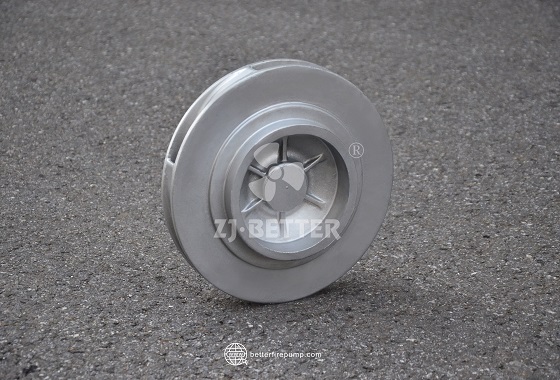
Impellers can be custom-sized to meet the design requirements of various fire-fighting pump models—including outer diameter, overall height, hub dimensions, and other mounting specifications—ensuring a precise fit with the corresponding pump casing.
2. Impeller Hub Machining
The hub serves as the critical interface between the impeller and the pump shaft; its dimensions and connection type must strictly adhere to the original equipment design. During machining, particular attention is paid to the shaft bore, keyway, and other connection features to ensure proper assembly and compatibility.
3. Blade Configuration Based on Blueprints
The shape, number, angle, and distribution of the blades dictate the flow dynamics within the impeller. Custom manufacturing ensures that the blade configuration is replicated according to the original product blueprints, meeting the specific design requirements of different pump models.
4. Compatibility with Various Pump Casing Structures
Because impeller designs and internal installation spaces vary across different centrifugal pumps, verifying the original pump model, impeller outer diameter, and internal casing dimensions ensures a high degree of compatibility between the custom impeller and the existing equipment.
5. Flexible Material Selection
Impeller materials can be selected based on product design, the working medium, and the operating environment. Common options include cast iron, stainless steel, and bronze. The specific material is determined by the equipment requirements and actual operating conditions.
6. Integration of Casting and Machining
Impellers are produced using a combination of casting and precision machining processes. Key areas—such as the hub, shaft bore, and mounting surfaces—are machined to ensure that the final dimensions meet all blueprint and assembly requirements.
7. Focus on Overall Impeller Quality
7. Focus on Overall Impeller Quality
During the impeller manufacturing process, attention must be paid to the surface quality of the casting, the integrity of the vanes, the structure of the hub/shroud, and critical dimensions. Conducting necessary visual inspections and dimensional checks helps ensure product quality and reduces potential assembly issues.
8. Prioritize Rotational Balance Requirements
As high-speed rotating components, impellers have a mass distribution that directly affects vibration levels during pump operation. Depending on the impeller specifications and the equipment's rotational speed requirements, dynamic balancing tests and adjustments should be performed.
9. Support for Customization via Samples and Drawings
Customers may provide existing impeller samples, product drawings, or detailed technical specifications to confirm dimensions, connection methods, and structural requirements. For specialized models, key data must be verified prior to production.
10. Meeting Manufacturing and Maintenance Spare Parts Needs
Custom-manufactured impellers can be used for the production of new fire pumps, as well as for equipment maintenance and the stocking of spare parts. Clearly defining the model, material, and processing requirements helps ensure an accurate match during the procurement process.
The core requirements for custom-manufactured fire pump impellers are dimensional accuracy, structural compatibility, and appropriate material selection. By incorporating design drawings, installation dimensions, and operational parameters specific to various pump models, impellers can be customized—covering aspects such as outer diameter, hub connections, vane structure, and material composition—to meet diverse needs in fire pump manufacturing, maintenance, and spare parts procurement. Selecting an impeller that aligns with the equipment's technical specifications ensures proper assembly fit and provides the essential component support required for the reliable operation of fire pumps.
 WhatsApp me