

1. Closed box structure design
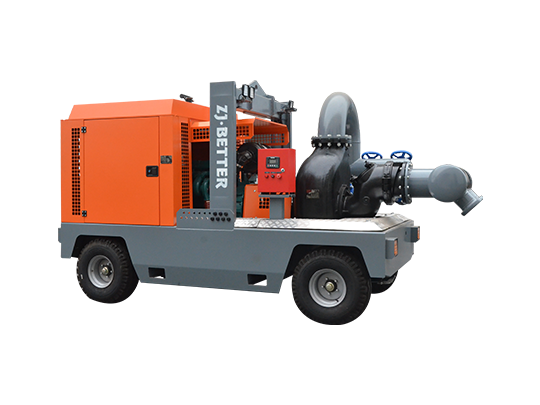
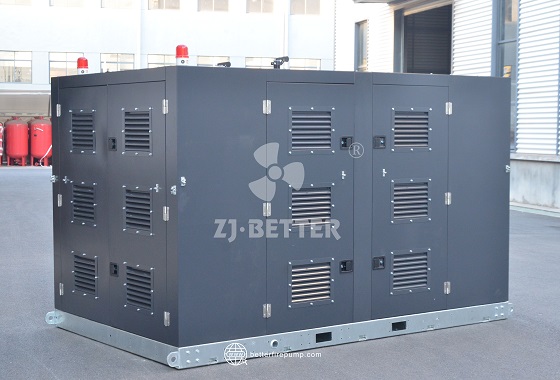
The container-type fire pump station adopts a closed box structure, and the main fire pump equipment is installed in the internal space. The box can reduce the direct impact of rain, dust and external environment on the equipment to a certain extent, and provide a relatively independent installation environment for internal mechanical equipment and auxiliary components.
2. Diesel engine driven fire pump configuration
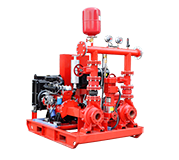
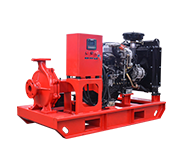
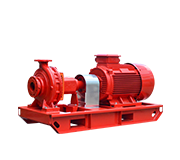
A diesel engine-driven fire pump can be configured inside the equipment to provide power support for fire water supply in scenarios where the external power supply is unstable or an independent power source is required. The diesel engine and fire pump are matched according to the project requirements, and the specific power and hydraulic parameters should be determined based on the design working conditions.
3. Modular equipment integration
The pump body, diesel engine, control device and related auxiliary components can be centrally arranged according to the system design to form a modular equipment unit. This integration method helps reduce the workload of dispersed installation on site and makes the equipment structure clearer, facilitating overall project planning.
4. Properly plan internal space
The internal space of the box needs to be reasonably designed based on the size of the water pump, diesel engine structure, pipeline direction and equipment operation requirements. Scientific layout can reduce space conflicts between components while reserving necessary channels for equipment inspection, daily operation and maintenance.
5. Ventilation and cooling system
The diesel engine will generate heat during operation, so the box needs to fully consider the air intake, exhaust and heat dissipation design. Reasonable configuration of ventilation louvers, air ducts and exhaust systems can help improve internal air circulation and avoid heat accumulation. The specific design should be determined based on the diesel engine power and ambient temperature.
6. Diesel engine exhaust system design
The diesel engine exhaust system is an important part of the box-type fire pump station. Reasonable planning of the exhaust pipeline and exhaust outlet will help guide the exhaust gas generated by the engine operation to the appropriate location, taking into account the internal space of the box, thermal protection and equipment maintenance needs.
7. Control system and operation management
According to the project configuration, the equipment can be equipped with a corresponding diesel engine fire pump control system for equipment startup, operating status monitoring and necessary protection management. Control functions should be configured in conjunction with system design, automation requirements, and applicable fire codes.
8. Adapt to a variety of outdoor application scenarios
Containerized fire pump stations can be used in industrial plants, logistics warehouses, ports, energy facilities and other outdoor fire protection projects according to project needs. The closed box facilitates the centralized arrangement of equipment and is especially suitable for projects that require independent planning of the fire pump room or where building space on site is limited.
9. Convenient for transportation and on-site deployment
The modular structure facilitates overall planning and pre-assembly of the equipment in the factory. Before the project is implemented, the box specifications and equipment layout can be determined based on transportation conditions, on-site foundation dimensions and pipeline interface requirements, thereby improving the organizational efficiency of on-site installation work.
10. Support project customized configuration
Different projects have different requirements for fire flow, lift, power, control methods and environmental adaptability. The container-type fire pump station can select the water pump model, diesel engine configuration, box size, pipeline components and auxiliary equipment according to the actual working conditions, so that the entire system can better meet the specific engineering needs.
The container-type fire pump station integrates the diesel engine fire pump and related auxiliary equipment into a closed box. Through modular structure, reasonable space layout and supporting system design, it provides flexible equipment configuration for outdoor fire water supply projects. Its value is not only reflected in the centralized installation of equipment, but also in aspects such as ventilation and heat dissipation, exhaust design, control management and on-site deployment. Reasonable selection and customization according to project needs will help build a more suitable fire water supply equipment system.
 WhatsApp me