
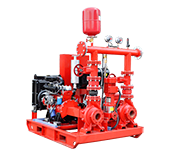
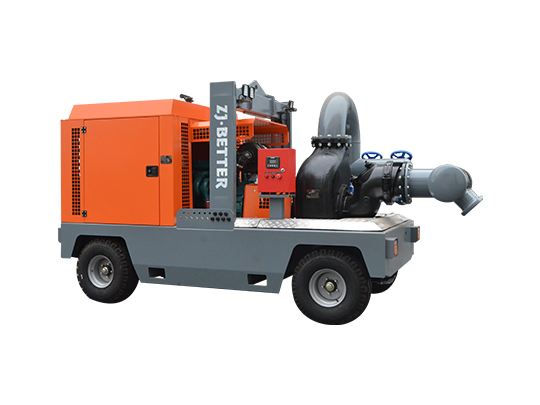
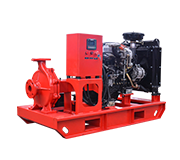
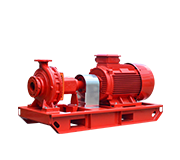
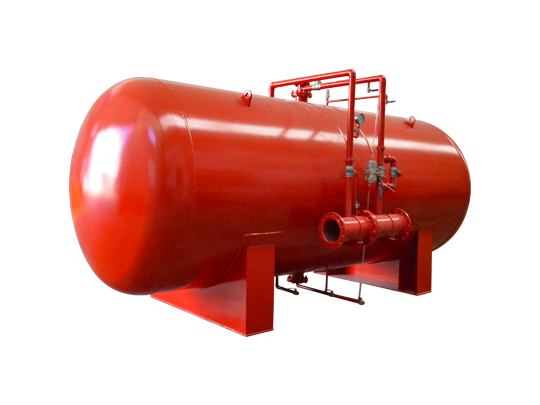
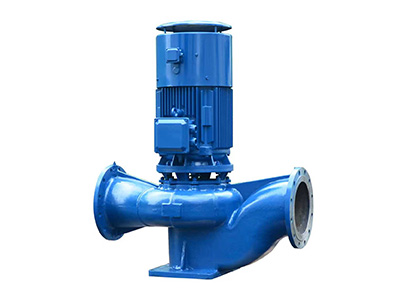

1. Optimized Hydraulic Design for Smooth Pressure Increase The core of the centrifugal structure lies in the matching of the impeller and the flow channel. Through precise hydraulic model design, this type of fire pump unit allows the liquid to smoothly complete energy conversion after entering the pump body, reducing turbulence and energy loss. The scientific flow channel layout not only improves efficiency but also makes the pressure build-up process smoother, avoiding the impact of instantaneous shocks on the pipe network. Stable pressurization capacity means the system can quickly reach its ideal operating state after startup, providing continuous and reliable water support for downstream fire suppression equipment.
2. Reliable power transmission ensures continuous output. Stable pressure relies on a continuous and reliable power source. The unit uses a mature connection method in its transmission section, enabling efficient power transmission from the drive end to the pump body and reducing fluctuations. Even under long-term operating conditions, it maintains consistency in speed and output. Continuous power supply prevents the pump from fluctuating at critical moments, ensuring the entire fire protection network remains available.
3. Structural strength meets high load requirements. In emergency water supply environments, equipment often needs to withstand high pressure and frequent starts. The unit's casing and key components are reinforced to improve pressure resistance and fatigue resistance. The robust structure minimizes deformation under complex operating conditions, maintaining stable internal hydraulic conditions and providing a physical basis for pressure output. This design philosophy ensures reliable performance even after long-term use.
4. Rapid response shortens water supply waiting time. When the system receives a startup signal, the unit can quickly accelerate and build up pressure. Through reasonable inertia control and flow regulation, the equipment reaches the set parameters in a short time while maintaining output stability. Rapid response is particularly important for initial fire control, helping the fire suppression system to function as early as possible and reducing the risk of escalation.
5. Smoother and Quieter Operation
Stable hydraulic conditions are reflected not only in pressure but also in vibration and noise control. Through precise dynamic balancing and a reasonable support layout, the unit maintains smooth operation even at high speeds. Smooth operation means lower wear and a longer service life, while providing better conditions for the equipment room environment.
6. Control System Ensures Continuously Controllable Pressure
To ensure that the pressure output remains within a reasonable range, the unit is equipped with a comprehensive monitoring and feedback mechanism. The control unit can adjust based on real-time data to ensure that the water supply meets system requirements. Automated management reduces human intervention, improves overall reliability, and enables the equipment to maintain stable performance under various operating conditions.
7. Adaptable to Diverse Pipeline Environments
Different projects have different pipeline lengths, height differences, and resistance conditions. This unit was designed with diverse application needs in mind, maintaining stable pressure over a wide range of operating conditions. Its excellent adaptability makes it easier to integrate into new or renovation projects, providing designers with more flexible options.
8. Improved Efficiency of Terminal Equipment
Stable pressure allows sprinkler heads, fire hydrants, and other facilities to operate within their design range, avoiding insufficient coverage or excessive impact due to fluctuations. By ensuring the normal operation of terminal equipment, the overall fire suppression effect is significantly improved. This system-level optimization demonstrates the important value of the unit in fire protection engineering.
9. Reduced Maintenance and Operating Costs
When the pressure output is stable, mechanical shock and frequent adjustments are reduced. Wear on equipment components is reduced, and maintenance cycles are extended accordingly. In the long run, this stability saves the project a significant amount of operational resources, making management easier and more efficient.
10. Provides Confidence in Safe Operation
Reliability is paramount for fire protection systems. Stable pressure means that the equipment can operate as expected when truly needed. Through multiple safeguards at the design, manufacturing, and control levels, the unit instills strong confidence in the user, making the entire water supply system more reliable.
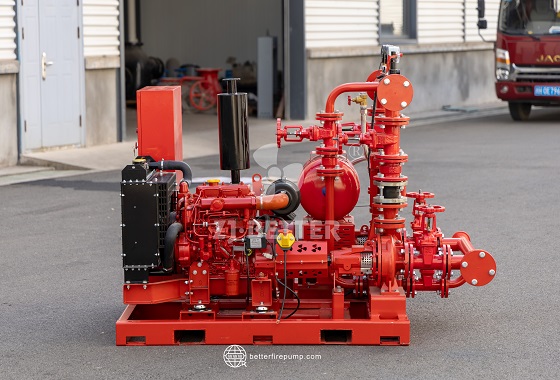
In summary, centrifugal fire pump units with stable pressure output achieve a balance between high efficiency and stability through advanced hydraulic design, reliable power transmission, and comprehensive control strategies. They not only meet the rapid water supply needs in emergencies but also demonstrate excellent durability and maintainability during long-term operation. In modern fire protection engineering, where safety, efficiency, and reliability are equally important, these units are undoubtedly a crucial support for building a stable water supply system.
 WhatsApp me