
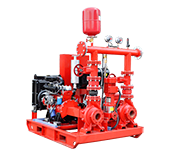
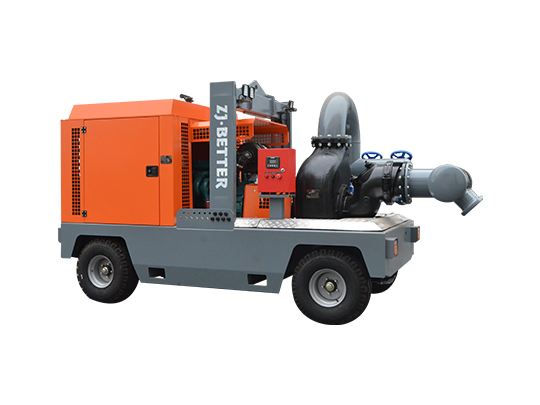
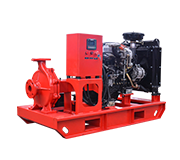
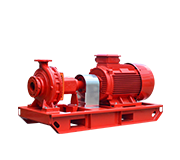
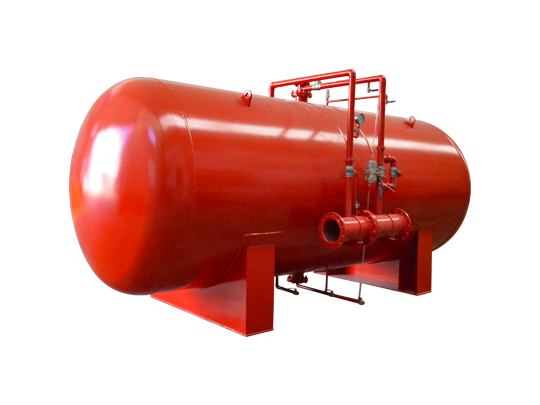
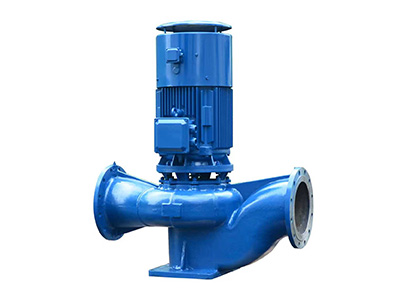

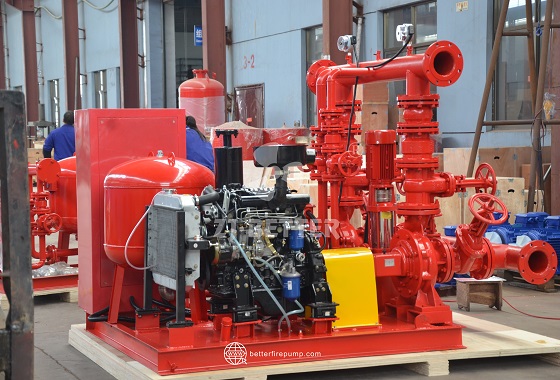
1. System Overview and Design Concept The automated control electric fire pump system adopts a modular and intelligent design concept, integrating the pump body, motor, control cabinet, pressure tank, and piping system into a single unit, achieving a "one-button start, full monitoring" operation mode. The system uses a high-efficiency motor as the drive source, coupled with automated control logic, enabling rapid startup upon triggering of a fire alarm signal, ensuring a stable high-pressure water source for the fire sprinkler system at the first opportunity. Its compact structure and small footprint make it suitable for various space-constrained locations. The control system offers manual, automatic, and remote operation modes, flexibly adapting to different usage environments and meeting the stringent requirements of modern intelligent buildings for reliable fire protection.
2. High-Efficiency Motor Drive and Energy-Saving Characteristics: The core power of the electric fire pump comes from a high-efficiency motor. It employs advanced electromagnetic optimization design to reduce energy loss and improve overall operating efficiency. The motor's start and stop are managed by an intelligent control system, avoiding current surges and equipment wear caused by frequent starts, effectively extending its service life. During operation, the system automatically adjusts power output according to pressure changes, achieving on-demand water supply and energy-saving operation. In the context of energy conservation, emission reduction, and sustainable development, this intelligent energy management technology not only reduces operating costs but also makes the entire fire protection system greener and more environmentally friendly.
3. Automated Control System and Intelligent Linkage: The core of this system is an integrated intelligent control cabinet, which integrates a PLC logic control module, pressure sensor, flow monitor, and data acquisition unit. The control system can automatically identify water pressure changes and automatically start or stop the main pump or standby pump according to preset logic, ensuring constant system pressure. Meanwhile, the control system can be linked with the building's fire alarm control panel or BAS (Building Automation System). Upon detecting a fire alarm signal, it automatically starts the fire pumps, providing a continuous and stable water flow. Through the human-machine interface, operators can monitor the pump unit's operating status, flow rate, current, voltage, and alarm information in real time, achieving visualized management throughout the entire process.
4. Safety Redundancy Design and Reliability Assurance
To ensure continuous water supply to critical facilities under any circumstances, the system employs a multi-level safety redundancy design. The main pump and standby pump are configured in parallel. When the main pump fails or is shut down for maintenance, the standby pump automatically takes over the water supply, ensuring uninterrupted system operation. The control cabinet is equipped with multiple protection mechanisms, including overload protection, undervoltage protection, short-circuit protection, and phase sequence protection, effectively preventing system shutdowns caused by electrical faults. Furthermore, the system supports timed self-testing and remote alarm functions, ensuring the equipment remains in good operating condition for extended periods, greatly improving the overall reliability of the fire protection system.
5. Structural Optimization and Material Durability
The pump body is constructed from high-strength cast iron or stainless steel, possessing excellent corrosion resistance and pressure resistance. The internal flow channels are precision CNC machined and optimized through fluid simulation to reduce hydraulic losses and improve flow rate and head efficiency. The shaft seal uses a mechanical seal structure to effectively prevent leakage and extend service life. The system base is an integral welded structure, offering high rigidity and excellent seismic resistance, ensuring stable operation in complex environments. All key components undergo rigorous testing to ensure stability and reliability even under extreme conditions such as high temperature, high humidity, and high pressure.
6. Pressure Control and Automatic Pressure Stabilization Function
The system is equipped with a high-precision pressure tank and pressure stabilization control unit, enabling automatic constant pressure water supply. When the system detects a pressure drop, the control system immediately starts the main pump to replenish pressure; when the pressure reaches the set upper limit, it automatically stops water supply, maintaining the system in optimal operating condition. This function is particularly suitable for high-rise buildings and long-distance water supply scenarios, effectively preventing pipeline vibration or sprinkler malfunctions caused by pressure fluctuations, improving system operational stability and service life.
7. Intelligent Monitoring and Remote Operation and Maintenance
Modern fire protection systems are no longer limited to on-site control; electric fire pump systems can achieve remote data transmission and control through communication modules. Management personnel can view the system's operating status in real time at the monitoring center or on mobile terminals, including data such as flow rate, pressure, motor temperature, and alarm records. The system supports cloud storage and remote diagnostics, automatically sending alarm information when an anomaly occurs for rapid maintenance response. This feature is particularly suitable for distributed facility management, such as large industrial parks or cross-regional fire protection systems, enabling centralized monitoring and intelligent operation and maintenance.
8. Wide Range of Application Scenarios and Applicability Automated electric fire pump systems are widely used in various locations such as high-rise buildings, residential communities, industrial plants, hospitals, airports, subway stations, and warehousing and logistics centers. Their flexible structure and various specifications can meet the flow rate and head requirements of different scenarios. Especially in unattended intelligent buildings, the automated control system can ensure 24/7 fire water supply, reduce the risk of manual intervention, and achieve the dual goals of high efficiency and high safety.
9. Compliance with International Fire Protection Standards and Certification Requirements The system design and manufacturing strictly adhere to international and national fire protection standards, such as NFPA 20, ISO 9001, and GB50974. All electrical and mechanical components undergo performance testing and safety certification to ensure compliance with export market technical requirements. The system supports multilingual operating interfaces and optional communication protocols (such as Modbus and BACnet), facilitating integration with control systems in international projects. This standardized and compatible design makes it one of the globally recognized professional fire-fighting water supply systems.
10. Convenient Installation and Maintenance & Full Lifecycle Service The electric fire pump system is assembled and commissioned before leaving the factory. Users only need to connect pipes and power on-site for immediate use, making installation simple and quick. The modular design facilitates later maintenance and upgrades. The control system supports self-testing and operation recording functions, allowing engineers to easily conduct status assessments and fault analysis. The manufacturer provides full lifecycle technical support, from solution design and installation guidance to post-installation maintenance training, ensuring long-term efficient system operation and meeting the safety and management needs of different projects.
The automated control electric fire pump system, with its high-efficiency motor drive, intelligent control logic, and multiple safety protections at its core, provides reliable fire-fighting water supply for modern buildings and critical facilities. It not only improves the automation level and operational efficiency of fire protection systems but also demonstrates outstanding advantages in energy saving, stability, and sustainability. In response to the trend of future urban intelligent development, this system will continue to play an important role in the field of fire safety, building a solid defense for the safety of life and property.
 WhatsApp me