

1. Vertical Multi-Stage Structural Design Enhances Head and Efficiency
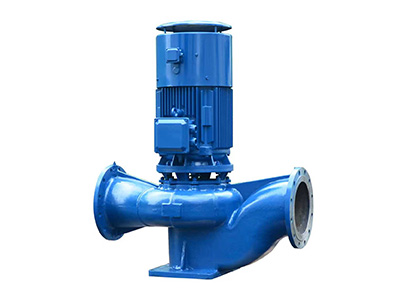
The vertical multi-stage fire water replenishment pump employs a series-connected multi-stage impeller design, which significantly boosts the output head through a process of progressive pressurization. This structural configuration enables the generation of a high output head while occupying a minimal footprint, making it ideally suited for high-rise buildings or long-distance water supply systems. Furthermore, the vertical orientation ensures uniform axial force distribution across the pump body, resulting in smoother operation with effectively controlled vibration and noise levels. Additionally, the multi-stage structure minimizes energy losses during the hydraulic conversion process, leading to higher overall hydraulic efficiency. Compared to traditional single-stage pumps, multi-stage pumps can achieve higher pressure outputs with lower energy consumption under identical operating conditions, thereby significantly reducing energy costs over the long term. This highly efficient design not only meets the rigorous standards required by fire protection systems but also aligns with the prevailing trends toward energy conservation and environmental sustainability.
2. Precise Replenishment Function Ensures Network Pressure Stability
The primary function of the fire water replenishment pump system is to provide real-time compensation for pressure fluctuations within the piping network. Should the system experience a pressure drop—whether due to minor leaks or other factors—the replenishment pump activates rapidly to restore the water volume and pressure to the designated operating range, thereby maintaining the system's stable state. This process requires no manual intervention, significantly enhancing both the system's response speed and its overall reliability. The precise replenishment function not only prevents the accelerated equipment wear typically associated with the frequent start-stop cycling of main fire pumps but also effectively extends the service life of the entire fire protection system. Moreover, during off-peak periods—such as at night or during low-load operation phases—the system can maintain a low-flow operating mode to ensure pressure stability without wasting energy, thereby demonstrating a high degree of intelligent automation and energy efficiency.
3. Automated Control System Enables Intelligent Operation
3. Automated Control System Enables Intelligent Operation
The system is equipped with advanced automatic control units capable of real-time monitoring of critical parameters—such as pressure and flow rate—and automatically adjusting the pump's start-stop status based on pre-configured logic. The control system typically features multiple operating modes—including automatic, manual, and remote monitoring modes—to meet the diverse requirements of various application scenarios. Furthermore, the intelligent control system incorporates multiple safety functions, such as fault alarms, overload protection, and dry-run protection. Should any system anomaly occur, it promptly issues an alarm signal and initiates protective measures to prevent equipment damage or system failure. This highly integrated control approach not only enhances operational safety but also significantly reduces operation and maintenance costs.
4. Compact Structural Design Saves Installation Space
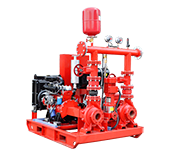
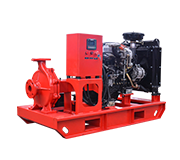
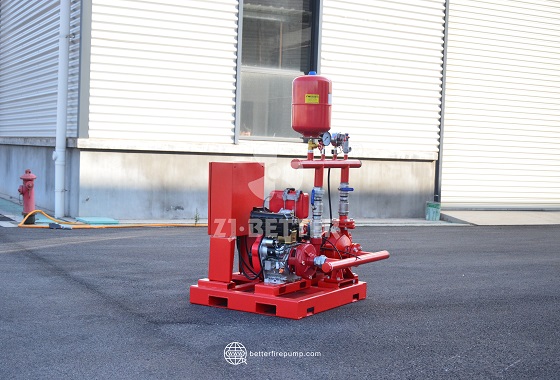
The vertical multi-stage fire water replenishment pump system features a compact design that integrates the pump body, motor, and control components into a single unit. With a small footprint, it is particularly well-suited for installation environments with limited space, such as underground equipment rooms or technical mezzanines. Its skid-mounted structure further simplifies the on-site installation process; the entire assembly undergoes comprehensive commissioning prior to leaving the factory, requiring only simple connections upon arrival at the site to become operational. This modular design not only shortens the construction cycle but also reduces installation complexity, thereby boosting overall project efficiency.
5. High-Reliability Design Meets Long-Term Operational Demands
Fire protection systems are classified as critical safety equipment and therefore demand exceptionally high levels of reliability. During the design phase, the vertical multi-stage replenishment pump system was engineered with full consideration for the requirements of long-term, continuous operation. It utilizes high-quality bearings, mechanical seals, and corrosion-resistant materials to ensure stable performance even under complex operating conditions. Additionally, the pump body features an optimized structural design that provides excellent cavitation resistance and pressure-bearing capabilities, ensuring stable output even during frequent start-stop cycles or periods of significant pressure fluctuation. This high-reliability design enables the system to respond rapidly in emergency situations, thereby safeguarding the proper functioning of the fire protection system.
6. Energy-Efficient Operation Reduces Long-Term Ownership Costs
Through the optimization of hydraulic models and motor matching, the system achieves high energy efficiency during operation. This is particularly evident during low-flow replenishment scenarios, where the equipment maintains high operational efficiency, thereby preventing energy waste. Furthermore, the system supports variable frequency control capabilities, automatically adjusting operating parameters based on actual pressure demands to further reduce energy consumption. This energy-efficient design not only aligns with modern green building concepts but also helps users realize substantial savings in operational costs over the long term.
7. Widely Applicable to Diverse Firefighting Scenarios
7. Widely Applicable to Diverse Firefighting Scenarios
The vertical multi-stage fire booster pump system is suitable for a wide range of firefighting scenarios, including high-rise residential buildings, commercial complexes, industrial plants, warehousing and logistics centers, and municipal engineering projects. In these settings, the system effectively resolves issues related to insufficient or fluctuating pressure within the pipe network. Particularly in large-scale, complex piping systems, this equipment serves as an auxiliary booster unit; by working in tandem with the main pump system, it forms a comprehensive fire water supply network that ensures balanced pressure at every outlet point, thereby enhancing the overall reliability of the firefighting system.
8. Convenient Maintenance Reduces Operational Complexity
The system's design fully anticipates future maintenance requirements, featuring a logical layout of key components that facilitates easy inspection and replacement. Its vertical structure simplifies assembly and disassembly, thereby reducing maintenance downtime. Furthermore, the intelligent control system records operational data and fault information, providing maintenance personnel with vital reference points to facilitate proactive, preventive maintenance. This user-friendly maintenance design not only lowers operational and maintenance costs but also enhances the system's long-term stability.
9. Comprehensive Safety Features Enhance System Stability
To ensure the system operates safely even under extreme conditions, the equipment is equipped with multiple protection mechanisms, including over-pressure protection, over-current protection, water-shortage protection, and motor overheat protection. These safety features intervene immediately in the event of anomalies to prevent equipment damage or system failure, thereby safeguarding the secure operation of the entire firefighting system. This multi-layered safety design constitutes an indispensable feature of modern firefighting equipment.
10. Compliant with Fire Safety Codes and Engineering Standards
Throughout its design and manufacturing phases, the vertical multi-stage fire booster pump system strictly adheres to relevant fire safety codes and engineering standards, ensuring that its performance meets rigorous industry requirements. It achieves high-standard performance across all key metrics—including pressure output, flow stability, and the security of its control system. This standards-compliant design not only guarantees the system's legal and regulatory compliance but also provides robust support for project acceptance and commissioning, establishing it as a trustworthy and critical piece of equipment in a wide variety of firefighting projects.
Leveraging its advantages—including high energy efficiency, compact structure, stable operation, and intelligent control capabilities—the vertical multi-stage fire booster pump system plays a pivotal role in modern fire water supply networks. It not only effectively resolves issues related to pressure fluctuations within the pipe network but also enhances the entire system's response speed and operational reliability. As standards for fire engineering continue to evolve and rise, this type of equipment is poised for widespread adoption across an even broader range of applications, serving as a vital technical pillar for safeguarding both life and property.
 WhatsApp me