
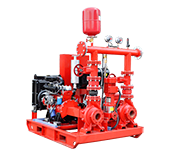
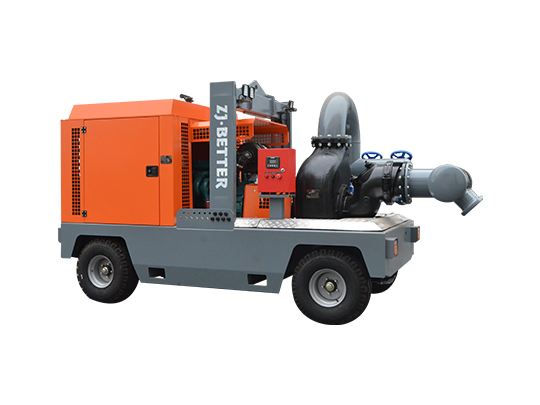
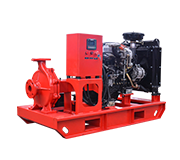
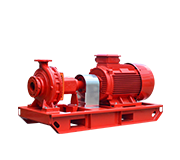
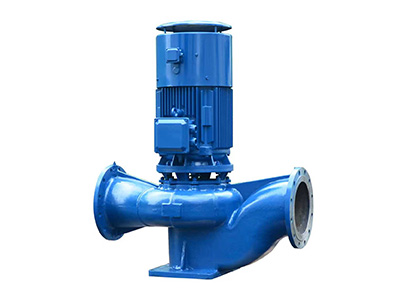

1. Vertical Structural Design Meets Space-Constrained Installation Needs Vertical fire pumps adopt a longitudinal arrangement, with the motor, pump body, and connecting components arranged vertically along the axial direction. Compared to traditional horizontal structures, this significantly reduces the equipment's floor space. This structural advantage is particularly prominent in underground pump rooms, equipment mezzanines in high-rise buildings, and renovation projects of old buildings. The vertical design allows fire pumps to be flexibly arranged in confined spaces, avoiding limitations on fire protection system configuration due to site constraints. Meanwhile, this structure facilitates alignment between the pump shaft and the pipeline centerline, reducing vibration and wear problems caused by installation deviations. For buildings and industrial sites with limited space but stringent fire protection requirements, vertical fire pumps offer greater freedom and feasibility in system planning.
2. Stable Water Supply Capacity for Building and Industrial Fire Protection Systems
Building and industrial fire protection systems have extremely high requirements for water supply stability. Vertical fire pumps, through optimized hydraulic models and flow channel structures, achieve stable operation under rated and off-peak conditions. Their design fully considers the instantaneous start-up, high flow output, and continuous operation characteristics of fire protection systems, ensuring a rapid establishment of stable water pressure in the event of a fire. Even in industrial environments with complex pipe networks and long water delivery distances, vertical fire pumps can maintain stable flow output, avoiding pressure fluctuations that could affect fire extinguishing efficiency. This stable and reliable water supply capacity is a crucial foundation for the safe operation of building and industrial fire protection systems.
3. High Head Characteristics Meet Multi-Level Fire Protection Needs
In high-rise buildings and large industrial plants, fire protection systems often need to overcome significant vertical height differences. Vertical fire pumps are designed with head requirements in mind, achieving high effective head output through multi-stage structures or optimized impeller design. This allows them to provide sufficient water pressure support for high-rise fire hydrant systems, automatic sprinkler systems, and industrial fire protection networks. Even when multiple floors simultaneously draw water or when water is transported over long distances, vertical fire pumps can maintain stable system pressure, meeting the water needs of different fire compartments and significantly improving the overall coverage of the fire protection system.
4. Compact Layout Improves Pump Room Utilization As a crucial component of buildings and industrial facilities, the spatial planning of fire pump rooms directly impacts equipment installation and maintenance efficiency. The compact structure of vertical fire pumps allows for a highly integrated layout with piping, control cabinets, and auxiliary devices, reducing redundant space occupation in the pump room. This compact layout not only improves the overall utilization of the pump room but also reserves more space for future expansion or system upgrades. In industrial projects, centralized equipment arrangement facilitates unified management and maintenance, reduces system complexity, and improves the overall efficiency of fire protection facility operation.
5. Adaptable to Continuous Standby and Emergency Start-up Conditions
Fire pumps typically operate in a long-term standby state under normal conditions, but must start immediately and operate stably in the event of a fire. Vertical fire pumps are designed with this characteristic in mind in their structure and material selection. Key components possess excellent wear resistance and corrosion resistance, enabling them to withstand the environmental impact of long-term static conditions. During emergency start-up, the pump unit responds quickly and operates smoothly, reducing the adverse effects of start-up shock on the system. This ability to adapt to continuous standby and rapid response makes vertical fire pumps highly reliable in building and industrial fire protection systems.
6. Facilitates Integration with Automatic Control Systems
Modern building and industrial fire protection systems commonly employ automated control methods to achieve centralized monitoring and coordinated control of fire protection equipment. Vertical fire pumps are designed with multiple interfaces to facilitate integration with pressure sensors, flow monitoring devices, and control cabinets. Through an automatic control system, automatic start-up and shutdown, status monitoring, and fault alarms of the fire pump can be achieved, significantly improving the system's intelligence level. This not only helps improve fire response speed but also reduces the burden of manual operation, making the fire protection system safer and more efficient.
7. Sturdy Structure Reduces Operating Vibration and Noise
In building and industrial environments, the vibration and noise generated during the operation of fire-fighting equipment need to be strictly controlled. Vertical fire pumps, through optimized shaft structure and base design, effectively reduce the amplitude of vibration during operation. Their stable vertical layout helps balance axial forces, reducing mechanical stress concentration and thus extending equipment lifespan. Simultaneously, the lower operating noise makes them more suitable for installation near office or production areas, avoiding interference with daily work and production activities.
8. Suitable for Various Water Sources and Piping Network Conditions
Building and industrial fire protection systems may utilize various water sources such as municipal water supply, water tanks, and water reservoirs. Vertical fire pumps have good adaptability to different water source conditions and can maintain efficient operation under stable water intake conditions. Their structural design can accommodate various inlet and outlet pipe diameters and pipe network layouts, facilitating integration with existing fire protection systems. In industrial sites, complex pipe network structures and multiple water intake requirements place higher demands on pump unit adaptability, and vertical fire pumps, with their flexible system adaptability, can effectively meet these complex application scenarios.
9. Ease of Maintenance Reduces Life Cycle Costs
Maintenance costs of fire pumps are a key concern for building and industrial users. Vertical fire pumps are designed with ease of maintenance in mind, featuring a rational layout of key components for convenient daily inspections and periodic maintenance. Their compact and clear structure allows maintenance personnel to quickly locate problems, shortening repair time. This ease of maintenance not only reduces the risk of equipment downtime but also helps extend the overall service life, thus saving users on operating costs throughout their life cycle.
10. Compliance with Standards Enhances System Compliance
Building and industrial fire protection systems must strictly comply with relevant fire protection codes and technical standards. Vertical fire pumps are designed and manufactured with full consideration of the flow, pressure, and operational reliability requirements of fire protection systems, enabling stable operation as a key water supply device in fixed fire protection systems. Their structural form and performance parameters facilitate overall system compliance with fire protection inspections, reducing the risk of rectification due to non-compliance. This high level of compliance makes vertical fire pumps one of the preferred equipment options in building and industrial fire protection engineering.
In summary, vertical fire pumps, suitable for both building and industrial settings, offer an ideal solution for fire-fighting water supply in space-constrained environments thanks to their compact structure, efficient water supply capacity, good system adaptability, and reliable operation. Whether in high-rise buildings, underground facilities, or complex industrial sites, vertical fire pumps can provide stable and reliable fire protection within limited spaces. Their comprehensive advantages in improving system safety, reducing operation and maintenance costs, and enhancing the overall compliance of fire protection systems make them an indispensable piece of equipment in modern building and industrial fire protection systems.
 WhatsApp me