

1. Independent Power System Ensures Stable Water Supply in Emergency Situations One of the most significant advantages of integrated diesel-powered fire pump units is their independent power system. This equipment uses a diesel engine as its core drive, enabling continuous operation even in the event of power outages or grid failures, thus ensuring a stable and reliable water supply for the fire protection system during critical moments. In many industrial parks, mines, chemical plants, and facilities in remote areas, power supply may be affected by natural disasters, equipment failures, or emergencies. Diesel engine fire pumps can start quickly without external power support, providing continuous water pressure to the fire protection system. Through reasonable power matching and transmission structure design, the diesel engine can efficiently transmit power to the fire pump, enabling it to reach rated speed and output a stable flow rate in a short time. Furthermore, diesel power systems typically have strong load adaptability, maintaining stable performance even in high-intensity continuous operating environments, providing long-term water supply assurance for large-scale fire protection systems.
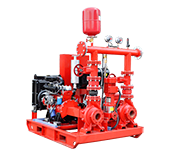
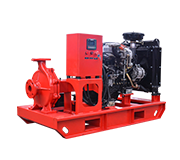
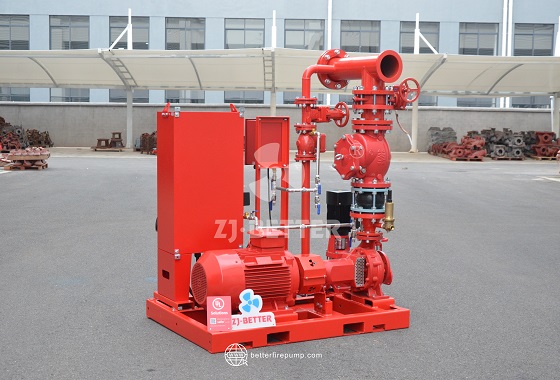
2. Integrated Structural Design Improves Equipment Installation Efficiency Traditional fire pump systems often consist of multiple independent devices, requiring complex piping connections and equipment commissioning processes during on-site installation, which is not only time-consuming but also increases construction difficulty. The integrated diesel engine fire pump unit, through its skid-mounted integrated structure design, integrates the diesel engine, fire pump, control system, and auxiliary equipment onto a single base. Assembly, commissioning, and performance testing are completed before delivery, significantly reducing on-site installation workload. This modular design allows the equipment to be put into use immediately after transportation to the project site, requiring only simple piping and electrical connections, drastically shortening the project construction cycle. Simultaneously, the overall structural layout is rational, with a smaller footprint, making it more suitable for pump rooms with limited space or outdoor installation environments. For projects requiring rapid deployment of fire protection systems, the integrated structural design not only improves construction efficiency but also reduces overall installation costs.
3. High Head and Large Flow Performance Meets Diverse Fire Protection Needs
In fire protection systems for large industrial facilities or high-rise buildings, there are often strict requirements on the head and flow rate of fire pumps. The integrated diesel engine fire pump unit, through optimized hydraulic structure design, enables the fire pump to operate within its high-efficiency range, thereby achieving stable output with high flow and high head. By rationally selecting impeller structure, pump body material, and hydraulic channel design, this equipment can reduce energy loss while ensuring efficiency, maintaining stable pressure during continuous water supply. High lift capacity enables the delivery of water to higher floors or longer distances within the fire protection network, while high flow rate output provides sufficient water for multiple sprinkler systems or fire hoses in a short time. This performance advantage makes integrated diesel engine fire pump units widely used in petrochemical, warehousing and logistics, airports, ports, and large commercial complexes—places with extremely high requirements for fire water supply.
4. Automated Control System Enables Rapid Response Start-up
In the early stages of a fire, the speed at which the fire protection system starts directly affects the fire extinguishing effect. Integrated diesel engine fire pump units are typically equipped with advanced automatic control systems that can automatically start via pressure signals or fire alarm linkage signals. When the fire protection network pressure drops to the set value, the control system can immediately start the diesel engine and drive the fire pump to operation, ensuring that the water supply system quickly restores pressure. The automated control system also has multiple protection functions, such as low oil pressure protection, high temperature alarm, overspeed protection, and fault shutdown protection, effectively preventing the equipment from operating under abnormal conditions. Furthermore, the intelligent control panel can display equipment operating parameters in real time, including speed, pressure, temperature, and operating time, enabling managers to promptly grasp the equipment's operating status and perform maintenance management.
5. Stable and Durable Structural Design Adapts to Complex Environments
Firefighting equipment often needs to operate for extended periods in various complex environments, including high temperatures, humidity, dust, and corrosive gases. The integrated diesel engine fire pump unit is designed with these factors in mind, employing a high-strength metal structural base and corrosion-resistant materials for key components, ensuring excellent durability and stability. The diesel engine is typically equipped with a high-efficiency cooling system and industrial-grade filtration devices to maintain stable performance even under high-load operating conditions. The pump body and impeller are made of wear-resistant materials, extending the equipment's service life and reducing maintenance needs during long-term operation. This highly reliable structural design allows the equipment to operate continuously in harsh environments, providing long-term stable protection for the fire protection system.
6. Convenient Maintenance Design Reduces Operating Costs
Firefighting equipment requires regular maintenance and inspection during long-term use to ensure normal operation in emergencies. The integrated diesel engine fire pump unit is designed with ease of maintenance in mind, placing key components in easily accessible locations for technicians to quickly perform routine inspections and maintenance. For example, the diesel engine filter, fuel system, and lubrication system can be quickly disassembled and replaced, reducing downtime for maintenance. The equipment can also be equipped with an automatic charging system and a battery maintenance system to ensure that the starting battery is always in good condition. Through reasonable maintenance design, not only can the equipment's operating and maintenance costs be reduced, but the overall service life of the equipment can also be extended, improving the long-term reliability of the fire protection system.
7. Modular Design Adapts to Different Engineering Needs
Different fire protection engineering projects often vary in terms of flow rate, head, installation space, and system configuration. The integrated diesel engine fire pump unit, through its modular design, can be flexibly configured according to actual needs. For example, different power diesel engines, different specifications of fire pumps, and different types of control systems can be selected according to project requirements, thus meeting diverse application scenarios. In addition, the equipment can also add auxiliary systems as needed, such as automatic water replenishment systems, fuel storage systems, and remote monitoring modules, making the fire protection system more complete. This flexible configuration capability allows the equipment to be widely used in fire protection engineering projects of various scales.
Different fire protection engineering projects often vary in terms of flow rate, head, installation space, and system configuration. The integrated diesel engine fire pump unit, through its modular design, can be flexibly configured according to actual needs. For example, different power diesel engines, different specifications of fire pumps, and different types of control systems can be selected according to project requirements, thus meeting diverse application scenarios. In addition, the equipment can also add auxiliary systems as needed, such as automatic water replenishment systems, fuel storage systems, and remote monitoring modules, making the fire protection system more complete. This flexible configuration capability allows the equipment to be widely used in fire protection engineering projects of various scales.
8. Rapid Deployment Capability Improves Fire Protection System Construction Efficiency
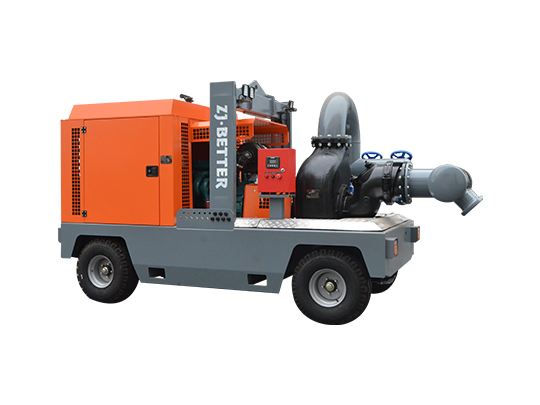
In some temporary facilities, construction sites, or remote area projects, fire protection systems often need to be deployed in a short period of time. Due to its integrated skid-mounted structure, the integrated diesel engine fire pump unit can be quickly installed in the designated location using hoisting equipment, and pipeline connections and system commissioning can be completed in a short time. This rapid deployment capability not only reduces construction time but also enables the equipment to be quickly put into use in emergencies. For example, during the construction phase of large industrial projects or in temporary storage facilities, the equipment can operate as an independent fire-fighting water supply system, providing reliable fire protection for the project.
In some temporary facilities, construction sites, or remote area projects, fire protection systems often need to be deployed in a short period of time. Due to its integrated skid-mounted structure, the integrated diesel engine fire pump unit can be quickly installed in the designated location using hoisting equipment, and pipeline connections and system commissioning can be completed in a short time. This rapid deployment capability not only reduces construction time but also enables the equipment to be quickly put into use in emergencies. For example, during the construction phase of large industrial projects or in temporary storage facilities, the equipment can operate as an independent fire-fighting water supply system, providing reliable fire protection for the project.
9. Compliant with Modern Fire Protection System Safety Standards
With the development of fire protection technology, various fire protection systems need to meet stringent safety standards in design and equipment selection. Integrated diesel engine fire pump units typically adhere to relevant fire protection codes during design and manufacturing, undergoing rigorous performance testing and quality inspection to ensure stable operation in emergencies. Before leaving the factory, the equipment usually undergoes multiple tests, including performance testing, pressure testing, and continuous operation testing, to verify its reliability under different operating conditions. Furthermore, a comprehensive control system and safety protection devices effectively prevent equipment failures from affecting the fire protection system, thereby improving overall system safety.
10. Widely Applicable to Various Fire Protection Scenarios
Due to its independent power, high reliability, and high-performance water supply capabilities, integrated diesel engine fire pump units are widely used in various industries. For example, in the petrochemical industry, this equipment can provide a stable fire-fighting water supply for large tank farms and production units; in warehousing and logistics centers, it can provide continuous water pressure for automatic sprinkler and fire hydrant systems; in ports, docks, and ship repair bases, it can provide a reliable water source for long-distance fire-fighting networks; and in power facilities and large factories, it can also serve as a backup fire pump system, quickly put into operation when the main system fails. Through practical applications in various scenarios, this equipment has become an indispensable and important component of modern fire protection engineering.
In summary, the integrated diesel engine fire pump unit plays a crucial role in modern fire-fighting water supply systems due to its independent power system, high-efficiency water supply performance, automated control, and stable and durable structural design. Whether in industrial facilities, large commercial buildings, or critical infrastructure, this equipment can quickly provide a reliable fire-fighting water source in emergencies, thereby effectively improving fire emergency response capabilities. With the continuous advancement of fire protection technology and the continuous improvement of safety standards, the integrated diesel engine fire pump unit will continue to develop towards higher efficiency, higher reliability, and greater intelligence, providing more comprehensive and safer solutions for various fire protection engineering projects.
 WhatsApp me