

1. Skid-mounted structure achieves high integration and modularity
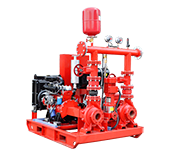
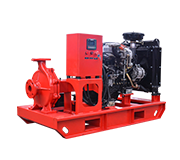
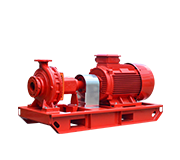
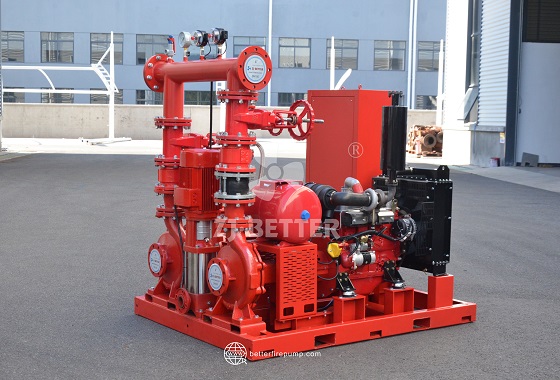
The skid-mounted diesel fire pump unit uses a steel base as its core load-bearing platform, integrating the diesel engine, fire pump, control system, cooling system, fuel system, and piping accessories onto the same frame. Compared to traditional split installation methods, this structure reduces the need for on-site secondary piping and complex foundation construction. Modular design allows for a rational layout of functional units, shorter power transmission paths, and faster system response. During transportation, the entire unit can be hoisted or forklifted as a whole, avoiding assembly errors caused by scattered parts. For projects requiring rapid deployment, this structural form significantly shortens the construction cycle, transforming the fire protection system from "engineering-oriented construction" to "equipment-oriented deployment," offering clear advantages in efficiency and reliability.
2. Diesel Power System Ensures Continuous Operation Under Power Outage Conditions
The most significant feature of diesel fire pump units is their independent power source, allowing them to start and operate stably without relying on an external power grid. When a fire occurs, power outages or line damage often occur, potentially preventing electric fire pumps from starting. Diesel power systems directly drive the pump mechanically, maintaining continuous water supply even under complete power outage conditions. The units are typically equipped with automatic start-up devices; when the pipeline pressure drops to a set value, the engine can quickly start and begin operation. This characteristic makes it irreplaceable in emergency water supply, particularly suitable for locations with extremely high fire protection reliability requirements.
3. High Flow Rate and Stable Pressure Output Meet Firefighting Needs
During firefighting, a continuous and stable water volume and pressure are crucial factors. Skid-mounted diesel fire pump units typically use dedicated fire pumps with optimized hydraulic structures, enabling high-efficiency operation across a wide range of conditions. By appropriately matching engine power and pump parameters, the unit can achieve high flow output while ensuring the required pressure for the sprinkler heads at the end of the pipeline network. In scenarios such as large factories, warehouses, or oil tank areas, a large amount of water is often needed for cooling and isolation in the early stages of a fire. These units can establish a stable water flow in a short time, preventing delays in optimal firefighting due to insufficient water supply.
4. Integrated Control System Enhances Operational Safety Modern skid-mounted diesel fire pump units are generally equipped with independent control cabinets to monitor key parameters such as engine speed, oil pressure, water temperature, and pump outlet pressure. The control system not only enables automatic start-up and shutdown but also has fault alarm and status indication functions, allowing managers to monitor the equipment's operating status in real time. When abnormal operating conditions occur, the system can issue audible and visual alarms, effectively preventing water supply interruptions due to equipment malfunctions. Compared to traditional manual operation, the integrated control system reduces the possibility of human error, making the entire fire water supply system more stable and controllable in emergency situations.
5. Skid-mounted base design facilitates rapid deployment and relocation.
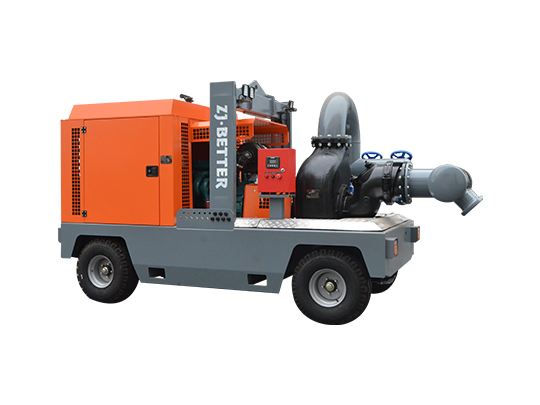
Skid-mounted structures are suitable not only for fixed installations but also for temporary or semi-permanent applications. For example, construction sites, temporary storage areas, or field projects often lack standardized pump houses. These units can be placed directly on flat ground or a simple foundation and put into use simply by connecting pipelines. When the project ends or the location is changed, the entire unit can be moved to a new location to continue functioning. This mobility gives the equipment greater flexibility, making it not only part of a fixed fire protection system but also a long-term reserve of emergency backup water sources.
6. Structural and material design adaptable to complex environments. Firefighting equipment often needs to operate for extended periods in environments with high temperatures, dust, high humidity, or corrosive gases. Skid-mounted diesel fire pump units often employ rust-proof coatings and high-strength steel structure bases to enhance durability. Piping and valve components are selected from materials suitable for firefighting conditions, reducing the risk of aging and leakage caused by long-term static placement. Meanwhile, a well-designed ventilation and heat dissipation layout ensures stable engine operation under high loads, maintaining rated power even in high-temperature summer conditions.
7. Significantly Improved Maintenance and Repair Convenience
With all components centrally located on the skid-mounted base, maintenance personnel can complete inspections and maintenance on a single platform. Ample space is reserved for maintenance access to the engine, pump body, and control system, making daily maintenance more intuitive and efficient. Regular trial runs and parameter checks allow for timely detection of potential problems, ensuring the equipment remains readily available. Compared to the dispersed equipment in traditional pump rooms, this centralized structure reduces inspection routes and time costs, improving equipment management efficiency.
8. Applicable to Various Fire Protection System Configurations
The skid-mounted diesel fire pump unit can be used as a main fire pump or as a backup pump in a dual-power configuration with an electric pump. In standard fire protection systems, the common practice is to use an electric pump as the primary and a diesel pump as a backup; when the power supply is interrupted, the diesel pump automatically activates, providing dual protection. Furthermore, this type of unit can be integrated with pressure-stabilizing pumps, control valve assemblies, and water tank systems to create a complete fire water supply solution. It is suitable for various fire extinguishing methods, including sprinkler systems, fire hydrant systems, and water cannon systems, demonstrating excellent system compatibility.
9. Meets the Core Reliability Requirements of Fire Protection Engineering The core evaluation indicator for fire protection equipment is not daily operating efficiency, but rather its ability to "start immediately and provide continuous water supply" in critical moments. Skid-mounted diesel fire pump units, with their independent power, simplified structure, and stable output characteristics, meet the basic reliability requirements of fire protection engineering. Through reasonable configuration of fuel storage and automatic control devices, the equipment can quickly return to working status after a long period of shutdown. Its design philosophy emphasizes "minimal reliance on external conditions," enabling the system to function even in extreme situations, which is precisely where the value of fire protection equipment lies.
10. Balancing Economy and Long-Term Value From an initial investment perspective, although the cost per skid-mounted diesel fire pump unit is higher, the overall project investment is often more controllable due to the reduction of civil engineering pump houses, complex electrical wiring, and on-site commissioning procedures. During long-term use, its stability and low failure rate effectively reduce maintenance costs and potential losses due to downtime. Especially in high-risk locations, a successful firefighting operation can prevent significant economic losses, making the equipment's value far exceed its purchase cost. Therefore, from a comprehensive benefit perspective, this type of product offers a good return on investment.
Skimmed diesel fire pump units, through their highly integrated structural design and independent power system, achieve multiple goals: rapid deployment, stable water supply, and flexible application. Their ability to continue operating even under power outage conditions makes them an indispensable component of various fire protection systems. Whether in fixed industrial sites or in temporary projects and emergency applications, this type of product demonstrates excellent reliability and practical value. As fire safety standards continue to rise, skimmed diesel fire pump units will continue to play a crucial role in modern fire water supply systems, providing a more robust guarantee for fire prevention and control.
 WhatsApp me