

1. Precise Boosting Ensures Stable Remote Water Supply
The core function of pipe network booster fire pump equipment lies in precisely compensating for system pressure—specifically in scenarios where pressure is insufficient at the extremities of the pipe network—by automatically activating the pump assembly to elevate the overall water supply pressure. The equipment dynamically adjusts its operation in response to real-time pressure fluctuations within the network, ensuring that remote sprinkler heads and fire hydrants maintain adequate discharge pressure under all circumstances, thereby guaranteeing the proper functioning of the fire protection system during critical moments.
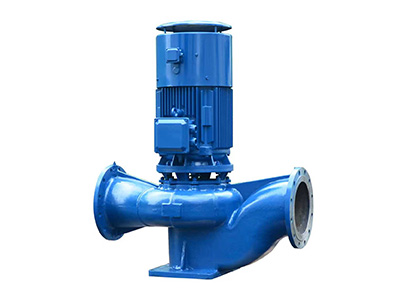
2. Vertical Structure Design Saves Installation Space
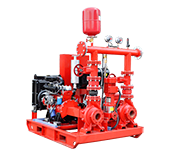
This equipment typically features a vertical, in-line structural design that allows for direct installation within the existing piping system without requiring significant additional floor space. This design is particularly well-suited for equipment rooms or mechanical plant rooms in high-rise buildings where space is at a premium; it not only optimizes space utilization but also simplifies the installation process. Furthermore, the compact structure helps to minimize vibration and noise, thereby enhancing overall operational stability.
3. Automatic Control Enables Intelligent Operation
The equipment is equipped with an advanced automatic control system capable of monitoring network pressure in real-time and automatically starting or stopping the pumps based on pre-configured parameters. This enables pressure maintenance and automatic boosting functions to be executed without the need for manual intervention. The system also incorporates fault alarm and protection features, effectively preventing abnormal equipment operation and enhancing overall safety and reliability.
4. High Hydraulic Performance Ensures Continuous Water Supply
Through an optimized hydraulic model design, this fire pump achieves high operational efficiency and delivers a stable flow output. Whether operating under low-load conditions or during periods of peak demand, the unit maintains a steady water supply, preventing pressure fluctuations from negatively impacting the system and thereby ensuring the continuous and effective operation of firefighting equipment.
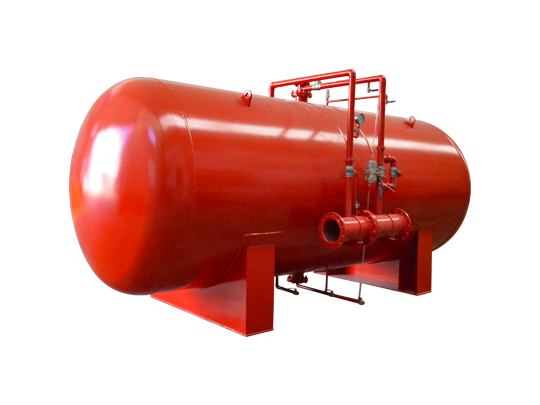
5. Pressure Tank Assistance Enhances System Stability
The integration of a pressure tank into the system further enhances pressure stabilization capabilities. A pressure tank serves to maintain system pressure during periods of low water demand, thereby reducing the frequency of pump starts and stops and extending the service life of the equipment. Additionally, during the initial stages of water usage, the pressure tank can provide immediate, short-term water supply support, thereby enhancing the system's response speed.
6. Adaptability to Complex Piping Network Environments
Whether deployed in long-distance water transmission networks or complex multi-branch systems, this equipment operates with exceptional stability. Its design takes full account of pipeline resistance and pressure loss issues; through appropriate selection and configuration, it can effectively meet the requirements of fire protection systems of varying scales and structural complexities, adapting seamlessly to a wide range of challenging application environments.
7. Energy-Efficient Operation and Reduced Long-Term Costs
Leveraging intelligent controls and an efficient hydraulic design, this equipment operates on an "on-demand" basis, thereby preventing energy waste. When pressure requirements are low, the system automatically reduces its operating frequency, resulting in lower energy consumption. Over the long term, this leads to significantly reduced operating costs and delivers substantial economic benefits to the user.
8. Durable Materials Ensuring Long-Term Stability
Critical components are manufactured using high-strength, corrosion-resistant materials, enabling the equipment to maintain stable, long-term operation even in humid, high-temperature, or otherwise challenging environments. This superior material selection not only enhances the equipment's overall reliability but also minimizes maintenance frequency and replacement costs.
9. Simplified Maintenance for Enhanced Operational Efficiency
The equipment features a well-engineered structural design that facilitates easy routine inspection and maintenance. Key components are readily accessible for disassembly and reassembly, thereby reducing the time and effort required for maintenance tasks. Furthermore, the system incorporates self-diagnostic capabilities that allow for the rapid identification and localization of issues, further boosting maintenance efficiency.
10. Broad Applicability Across Diverse Scenarios
This piping network booster fire pump equipment is widely deployed across a multitude of sectors, including high-rise buildings, commercial complexes, industrial facilities, and municipal infrastructure projects. In these environments—where stable water supply pressure is absolutely critical—the equipment effectively meets diverse fire protection requirements, providing a robust and reliable safeguard.
Through its capabilities for efficient pressure boosting, intelligent control, and stable operation, this piping network booster fire pump equipment effectively resolves the issue of insufficient pressure at the remote ends of fire protection systems. Its compact design, energy-efficient performance, and broad applicability make it an indispensable and vital component within modern fire water supply systems. When appropriately configured and deployed, this equipment significantly enhances the overall performance of fire protection systems, providing a solid foundation for safety and security.
 WhatsApp me