

1. Multi-Stage Booster Structure Enables High Head Output
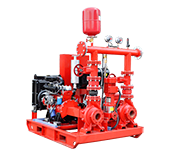
Multi-stage booster fire pump systems feature a design in which multiple impellers are arranged in series; each impeller stage applies additional pressure to the water flow, resulting in a progressive increase in pressure level. Compared to traditional single-stage pumps, this structure enables the system to achieve a significantly higher head output without substantially increasing the physical size of the equipment, making it ideally suited for high-rise buildings and long-distance water transmission scenarios. The multi-stage design not only enhances water supply capacity but also ensures that the system maintains stable operation even under high-pressure demands.
2. Stable Water Supply Capacity Ensures Fire System Reliability
Fire protection systems must maintain a continuous and stable water supply during critical moments. Multi-stage booster pumps achieve this by optimizing their internal flow channel design, ensuring a smooth transition of water flow between stages and thereby preventing pressure fluctuations. Stable output pressure not only enhances firefighting efficiency but also prevents damage to the piping network caused by uneven pressure distribution, thereby elevating the overall operational reliability of the fire protection system.
3. Efficient Hydraulic Design Boosts Overall Operational Efficiency
This system employs precise calculations to optimize the shape of the impellers and the structure of the flow channels, thereby minimizing water turbulence and energy loss to ensure the equipment maintains high efficiency during operation. An efficient hydraulic design not only reduces energy consumption but also lowers the operational load on the equipment, resulting in an extended service life and reduced long-term operating costs.
4. Vertical Structure Saves Installation Space
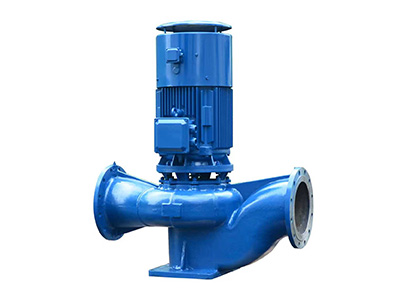
Multi-stage booster fire pumps typically feature a vertical structural design, enabling the equipment to deliver high-performance output while occupying a minimal footprint. This vertical layout helps optimize space utilization within equipment rooms—a particularly advantageous feature for construction projects with limited available space. Furthermore, the compact structure simplifies piping layout complexity, thereby improving the overall installation efficiency of the fire protection system.
5. High-Quality Materials for Enhanced Durability and Corrosion Resistance
5. High-Quality Materials for Enhanced Durability and Corrosion Resistance
Key components of this equipment are manufactured using high-strength materials combined with advanced processing techniques, endowing it with excellent wear resistance and corrosion resistance. Whether operating in humid environments or locations containing corrosive media, the equipment maintains stable performance, thereby significantly extending its service life.
6. Low-Vibration Operation for Enhanced Equipment Stability
The multi-stage booster fire pump effectively minimizes operational vibration through an optimized shaft system structure and dynamic balancing design. Low vibration not only enhances the equipment's operational stability but also reduces mechanical stress on the piping system, thereby lowering the failure rate and extending the equipment's service cycle.
7. Intelligent Control System for Automated Management
Modern multi-stage fire pump systems are typically equipped with intelligent control units capable of performing functions such as automatic start-stop, pressure monitoring, and fault alarming. Through automated management, the equipment can adjust its operating status according to actual demands, accelerating system response times while minimizing risks associated with manual operation.
8. Energy-Efficient Design for Reduced Long-Term Operating Costs
While meeting high-pressure water supply requirements, the system achieves energy-efficient operation by optimizing energy utilization efficiency. By precisely matching the performance characteristics of the motor and the pump body, the equipment maintains a highly efficient operating state across various working conditions, thereby effectively reducing electricity consumption.
9. Widely Applicable to Diverse Firefighting Scenarios
Multi-stage booster fire pump systems are applicable across a wide range of sectors, including high-rise buildings, industrial plants, municipal engineering projects, and large-scale commercial complexes. In these environments—where a stable, high-pressure water supply is essential—this system leverages its superior performance capabilities to fully meet operational demands.
10. Aligned with Modern Firefighting System Trends
As firefighting standards continue to evolve, the requirements for equipment performance and reliability are becoming increasingly stringent. The multi-stage booster fire pump system excels in terms of efficiency, energy conservation, and stability; it aligns perfectly with the developmental trajectory of modern firefighting systems and holds immense potential for future applications.
Through its multi-stage pressurization structure and optimized design, the multi-stage booster fire pump system seamlessly integrates high head capabilities with a stable water supply. It offers significant advantages in terms of enhancing firefighting system efficiency, reducing energy consumption, and bolstering reliability, making it an indispensable component of modern building and industrial firefighting infrastructure. Characterized by its efficiency, safety, and durability, this product provides a continuous and stable firefighting water supply guarantee across a wide spectrum of complex operating conditions.
 WhatsApp me