
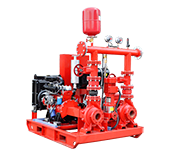
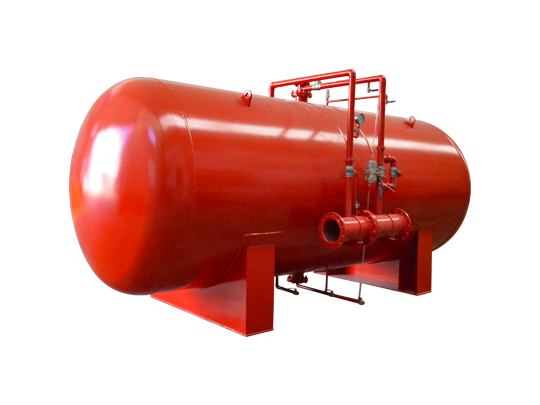
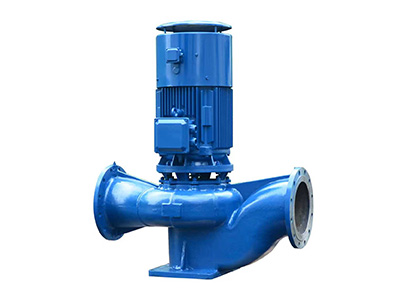

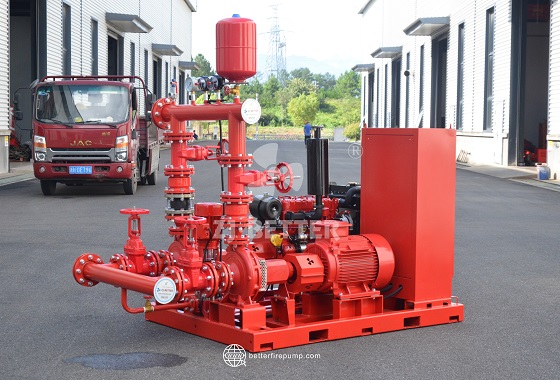
1. Working Principle of Main Pump and Pressure-Stabilizing Pump Collaboration The motor-driven main fire pump and pressure-stabilizing pump linkage system consists of a main fire pump, a pressure-stabilizing pump, a control cabinet, and supporting piping. The pressure-stabilizing pump continuously monitors the pipeline pressure while the system is in standby mode. When the pressure drops due to minor leaks or temperature changes, it automatically starts to replenish pressure, maintaining the pipeline within the set pressure range. The main fire pump is in standby mode and immediately starts when the system detects a fire signal or a significant pressure drop, outputting a large flow of water to meet firefighting needs. The two pumps work in tandem to avoid frequent main pump starts while ensuring sufficient water supply during critical moments, achieving a balance between high efficiency, energy saving, and safety.
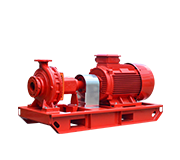
2. Stable and Reliable Motor-Driven Structure: The system uses a high-performance motor as its power source, characterized by rapid start-up, smooth operation, and low noise. The motor and pump body employ a direct-drive structure, reducing transmission losses and mechanical failure points, thus improving overall efficiency. The motor has a high protection rating, enabling it to adapt to the humid environment of the pump room and maintain stable performance during long-term standby. Through a reasonable power matching design, the main pump maintains optimal efficiency under rated operating conditions, while the pressure-stabilizing pump maintains low-energy consumption under low flow conditions, forming a scientifically sound power configuration system.
3. Integrated Base Design Improves Installation Efficiency: The system adopts a common base structure, unifying the main pump, pressure-stabilizing pump, and related pipelines on the same platform. The overall structure is compact, facilitating on-site hoisting and positioning. The entire unit undergoes commissioning and performance testing before leaving the factory; on-site installation only requires connecting the inlet and outlet water pipes and the power system, significantly shortening the installation cycle. The integrated design not only reduces on-site construction complexity but also improves equipment installation accuracy, laying the foundation for long-term stable operation.
4. Intelligent Control System Enables Automated Management
4. Intelligent Control System Enables Automated Management
The system is equipped with an intelligent control cabinet, integrating pressure monitoring, automatic start/stop, fault alarm, and remote monitoring interface functions. The control system can display real-time operating status, pressure parameters, and current data, facilitating management personnel's understanding of equipment conditions. Automatic alarms are triggered in case of abnormalities, enhancing safety. Some systems can be connected to the building's fire control center for centralized management and remote monitoring, aligning with the modern trend of intelligent building development.
5. High-Efficiency Hydraulic Design Ensures Stable Water Supply
The main fire pump employs an optimized hydraulic model design, with impeller and flow channel structures precisely calculated to maintain high-efficiency output at rated flow and head. The pressure-stabilizing pump utilizes a multi-stage structure design, providing stable high-head pressure compensation capability under low-flow conditions. The rational combination of these two pump types ensures stable water pressure and flow output under various operating conditions, providing reliable protection for sprinkler systems, fire hydrant systems, and water curtain systems.
6. Energy-Saving Operation Reduces Long-Term Costs: The pressure-stabilizing pump handles daily pressure maintenance, requiring less power and operating for relatively longer periods, but consuming less energy. The main pump only operates during fires or testing, minimizing unnecessary energy consumption. Optimal control logic prevents accidental main pump starts, further reducing power consumption. The motor boasts high efficiency, low vibration, and low losses, effectively reducing operating costs and improving return on investment over its overall lifecycle.
7. Compact Structure Saves Pump Room Space: The system's overall layout is rational, occupying a small area, making it suitable for installation in underground pump rooms or equipment rooms with limited space. The rational arrangement of the main pump and pressure-stabilizing pump reduces pipework intersections and redundant space, improving pump room utilization. The compact design is particularly suitable for projects with strict space planning requirements, such as commercial complexes, high-rise buildings, and industrial plants.
8. Convenient Maintenance Improves System Reliability: The system structure is clear, with key components rationally arranged, facilitating daily inspection and maintenance. Routine maintenance includes bearing lubrication checks, seal condition verification, and electrical system inspections. Due to its mature and reliable structural design, the failure rate is low, and maintenance cycles are long. Excellent maintainability ensures the fire protection system is always on standby, reducing safety hazards caused by equipment failure.
9. Wide Applicability Meets Diverse Building Needs
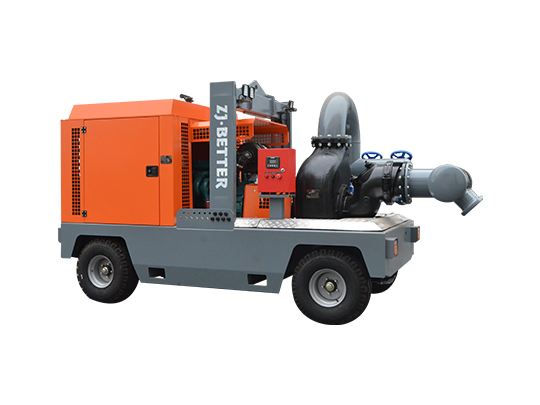
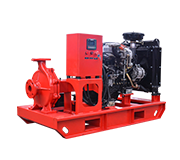
This linkage system is widely used in industrial plants, commercial centers, hotels, hospitals, schools, and municipal facilities. Whether for new construction or renovation projects, parameters can be configured according to actual needs. The system can form a backup combination with a diesel engine fire pump, further enhancing safety levels. Its flexible configuration capabilities make it a core device in various building fire protection systems.
10. Meets Multiple Fire Protection Technical Standards
The system is designed and manufactured in strict accordance with relevant fire protection technical specifications, ensuring that flow rate, head, and control logic meet acceptance requirements. Performance and pressure tests are conducted before leaving the factory to ensure the equipment meets design parameters. Standardized production and quality control enhance product stability and safety, providing a guarantee for successful fire protection acceptance of projects.
The motor-driven main fire pump and pressure-stabilizing pump linkage system, through scientific combination and intelligent control, achieves efficient connection between daily pressure stabilization and high-flow water supply in fire situations. Its stable and reliable operation, energy-saving advantages, and ease of installation and maintenance make it an ideal choice for modern fixed fire pump rooms. Through proper selection and standardized installation, this system can provide a continuous and stable fire water supply for various types of buildings, effectively improving the overall fire safety level.
 WhatsApp me