

1. Simplified Structural Design Improves System Reliability
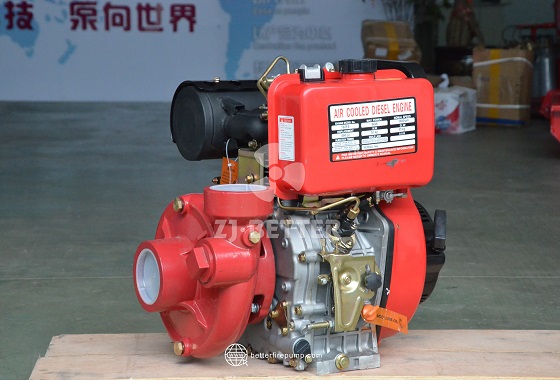
The most significant feature of air-cooled diesel power systems is the elimination of the coolant circulation mechanism of traditional water-cooling systems, resulting in a simpler overall structure and significantly reduced mechanical failure rates. By directly utilizing air flow for heat dissipation, the system eliminates components such as cooling pumps, radiators, and water tanks, while also significantly reducing overall equipment weight. This design enables faster response during emergency activation and maintains high stability during long-term operation, making it ideal for firefighting locations with limited space or demanding maintenance requirements.
2. Highly Efficient Air Cooling Technology Ensures Continuous Operation
Compared to systems that rely on cooling water circulation, air-cooled diesel engines utilize enhanced convection cooling technology, enabling continuous operation in high-temperature, high-humidity, and waterless environments. The optimized design of the cooling fins and air shroud ensures a more efficient air flow path and enhanced heat exchange, ensuring long-term stable engine operation under heavy loads. This heat dissipation method, which eliminates the need for an external water source, significantly improves system adaptability and reliability for fire stations in remote areas, mountainous areas, or on islands.
3. Dual Improvements in Energy Efficiency and Combustion Optimization
Modern air-cooled diesel power systems utilize high-pressure common rail fuel injection technology and a precise electronic control system, resulting in more complete fuel atomization and higher combustion efficiency. Compared to traditional diesel engines, these systems reduce energy consumption by approximately 10% to 15%, offer cleaner emissions, and meet environmental standards in multiple countries. This efficient combustion not only reduces operating costs during fire pump operation but also ensures smooth and continuous power output during extended standby periods or emergency starting.
4. Ease of Maintenance and Low-Cost Operation
Because air-cooled diesel systems eliminate components such as coolant, piping, and the pump body, they offer longer maintenance cycles and simpler routine inspections. Users only need to regularly change the engine oil and air filter to maintain optimal operating conditions. Eliminating the risks of corrosion and scaling associated with water-cooling systems, the system also avoids the challenges of winter freezing and summer overheating. This low-maintenance feature significantly reduces operating costs for firefighting equipment requiring long-term storage or intermittent operation.
5. Flexibility to Adapt to a Variety of Extreme Environments
Air-cooled diesel power systems can operate in sub-zero temperatures, high altitudes, and dusty environments, unaffected by cooling water freezing or evaporation. This system ensures rapid firefighting response in all conditions, particularly in deserts, remote mountainous areas, mining areas, or coastal facilities. Its high level of protection and excellent sealing ensure high efficiency even after prolonged exposure to harsh environments.
6. Integration into Modular Firefighting Systems
The air-cooled diesel power system offers a compact design and flexible installation, making it easy to integrate with a variety of fire pumps or mobile equipment. Whether containerized, skid-mounted, or vehicle-mounted, installation and commissioning are quick and easy. This modular design not only shortens equipment production cycles but also facilitates subsequent transportation and deployment, making it widely applicable in emergency firefighting, military firefighting, and temporary water supply.
7. Collaborative Optimization of Intelligent Control Systems
Incorporating modern intelligent control technology, the air-cooled diesel engine enables automatic start-stop, real-time monitoring, and fault self-diagnosis. The system's built-in microprocessor control module automatically adjusts the speed and fuel injection rate based on the fire pump's operating load, ensuring that rated power is quickly reached in emergency situations. Furthermore, the data interface can be linked with a remote monitoring system for remote start-up and status feedback, significantly enhancing the automation and safety of the fire protection system.
8. Portability Enhanced by Lightweight Design
Because the air-cooled diesel system eliminates the need for coolant and related accessories, it is lighter and occupies less space, making it easier to transport and install. This is particularly important for mobile or vehicle-mounted fire pump systems, enabling rapid commissioning and flexible deployment. The lightweight design also reduces foundation installation strength requirements, reducing construction costs and enhancing the overall system's mobility and practicality.
9. Reliable Performance for Long-Term Reserve and Emergency Start
In fire protection systems, equipment often needs to be on standby for extended periods. Air-cooled diesel engines offer the ability to start quickly after prolonged periods of inactivity and are unaffected by coolant evaporation or leaks. Its fuel system features a highly sealed design and a short startup response time, ensuring immediate operation in fire or emergency situations. Its durable structural design also ensures excellent power performance even in reserve.
10. Future Development Directions: Prioritizing Environmental Protection and Energy Saving
With stricter global controls on energy use and carbon emissions, air-cooled diesel power systems are demonstrating their green and energy-saving advantages in the firefighting sector. Through optimized combustion control and thermal efficiency design, this system not only reduces fuel consumption but also effectively reduces exhaust emissions. In the future, its integration with hybrid or new energy firefighting systems will further promote the development of intelligent and energy-efficient firefighting equipment.
With its unique heat dissipation, high reliability, low maintenance costs, and strong adaptability, air-cooled diesel power systems have become an indispensable power source for modern firefighting equipment. Whether in fixed fire stations, mobile emergency response units, or unmanned remote facilities, they operate stably and efficiently, providing solid power support for fire water supply systems. With continued technological innovation, air-cooled diesel engines will continue to play a greater role in the firefighting industry, leading equipment towards efficiency, energy conservation, and intelligence.
 WhatsApp me