

1. Integrated Design Enhances Overall System Efficiency
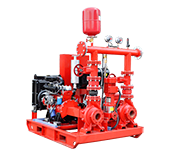
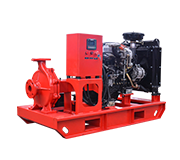
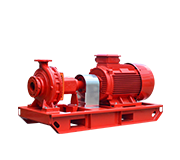
Highly integrated fire pump control systems employ a design philosophy that combines modularity with integration, centralizing core components onto a single structural platform. This approach ensures a high degree of synergy among the pump body, motor, and control system, thereby minimizing the energy loss and response delays typically associated with traditional decentralized layouts. This design not only optimizes equipment operational efficiency but also bolsters system stability, fostering tighter coordination among components to ensure rapid response and a steady water supply during emergency situations.
2. Streamlined Installation Reduces Construction Complexity
While traditional fire pump systems require extensive on-site connection and commissioning work, highly integrated systems undergo complete assembly and testing prior to leaving the factory. On-site installation requires only the connection of power supplies and piping, allowing the system to be rapidly put into service and significantly shortening the overall construction cycle. Furthermore, this approach minimizes human error during installation, thereby enhancing overall project quality. For projects with tight deadlines or complex requirements, this convenient installation method offers distinct advantages.
3. Intelligent Control System Enables Automated Operation
The system is equipped with advanced control modules capable of automated start-stop operations, pressure regulation, and real-time monitoring of operating status. When pressure within the pipe network drops, the equipment automatically activates to replenish the water supply; once pressure is restored, it automatically shuts down to prevent energy waste. Additionally, the control system continuously monitors operational data in real time, providing immediate feedback on any anomalies to assist management personnel in quickly resolving issues, thereby enhancing the safety and reliability of the system.
4. Real-time Monitoring Enhances Operational Transparency
The system integrates a variety of sensors to facilitate the real-time monitoring of critical parameters—such as pressure, flow rate, current, and temperature. All data is displayed intuitively via the control interface, allowing operators to stay fully informed of the equipment's operational status at any time. Moreover, the system supports data logging and analysis functions, providing a reliable basis for equipment maintenance and performance optimization, and ultimately making the management of the fire protection system more scientific and efficient.
5. Multiple Protection Mechanisms Ensure Equipment Safety
5. Multiple Protection Mechanisms Ensure Equipment Safety
To ensure the safe operation of the equipment under various working conditions, the system incorporates multiple protection functions, including overload protection, overheat protection, phase-loss protection, and voltage anomaly protection. Upon detecting any abnormal conditions, the system automatically initiates corrective measures to prevent equipment damage or uncontrolled operation. These protection mechanisms provide comprehensive safety assurance for the fire pumps, enabling them to operate stably during critical moments.
6. Energy-Saving Operation Modes Reduce Long-Term Costs
Through intelligent control and optimized operational strategies, the system automatically adjusts its operating status based on actual demand, thereby minimizing unnecessary energy consumption. Under low-load conditions, the equipment can enter an energy-saving mode to reduce electricity usage. Furthermore, the combination of high-efficiency motors and optimized hydraulic design ensures the equipment consistently operates within its peak efficiency range, significantly lowering long-term operating costs.
7. Compact Structural Design Saves Installation Space
The highly integrated fire pump system features a compact layout that intelligently arranges various components to minimize its physical footprint. This design is particularly well-suited for projects with limited space in equipment rooms, effectively maximizing space utilization. Additionally, the compact structure simplifies piping connections, reduces system complexity, and enhances overall operational efficiency.
8. Convenient Maintenance Enhances O&M Efficiency
During the design phase, the system fully anticipated future maintenance requirements, ensuring that critical components are easy to disassemble and replace. Its modular structure enables maintenance personnel to quickly pinpoint and resolve issues, thereby minimizing downtime. Moreover, the system features a self-diagnostic function that automatically identifies the location of faults, significantly boosting maintenance efficiency and reducing operation and maintenance costs.
9. Excellent System Compatibility and Scalability
The highly integrated fire pump control system boasts excellent compatibility, allowing it to seamlessly interface with a wide range of fire control platforms and monitoring systems. Through standardized interfaces, users can expand the system or upgrade its functionality according to their specific needs. This flexibility ensures the equipment remains adaptable to future technological advancements, extends its service life, and enhances the return on investment.
10. Widely Applicable Across Diverse Scenarios
This system is suitable for a broad spectrum of environments, including commercial buildings, residential complexes, industrial facilities, hospitals, and public institutions. Whether for new construction projects or the retrofitting of existing systems, the highly integrated fire pump solution provides efficient and stable water supply support. Its superior performance and flexible configuration capabilities make it an essential component of modern fire protection systems.
Through its integrated design and intelligent control capabilities, the highly integrated fire pump control system significantly simplifies the installation process while enhancing operation and maintenance efficiency. While enhancing the stability of the water supply, it simultaneously reduces energy consumption and maintenance costs, thereby providing efficient and reliable solutions for various fire protection projects. As fire safety systems evolve toward greater intelligence and integration, such equipment will play an increasingly vital role in the future, offering enhanced safety and stability in fire protection for both buildings and industrial facilities.
 WhatsApp me