
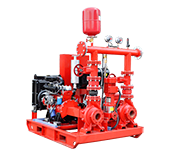
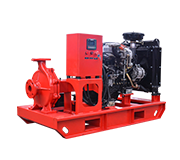
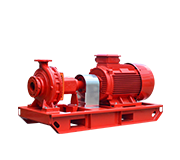
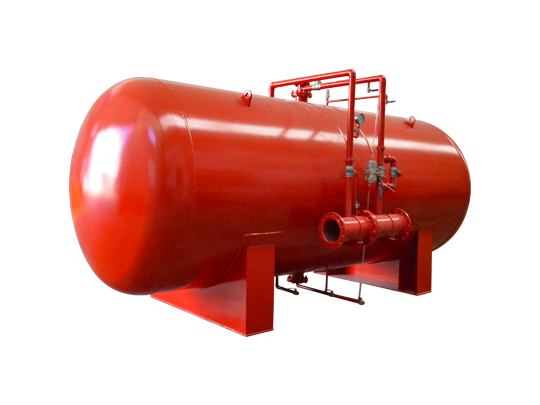
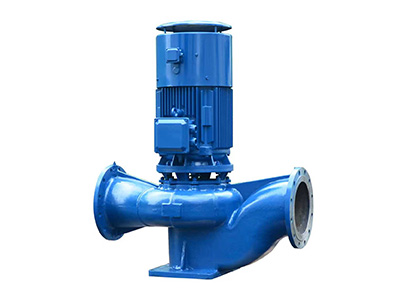

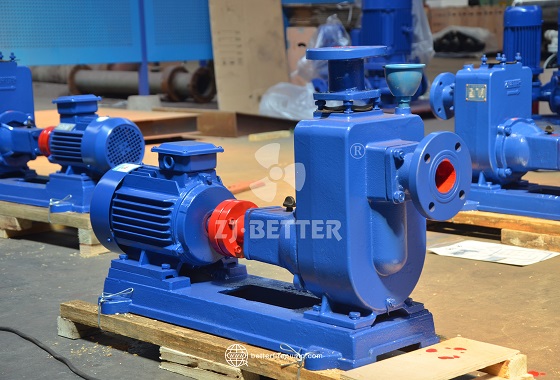
1. Structural Optimization Design for Long Standby Conditions The most significant characteristic of long standby systems is that the equipment is normally stationary, but needs to be instantly put into high-load operation once a fire occurs. Therefore, the structural design of horizontal fire pumps must prioritize "readiness for immediate start-up." The pump body typically adopts an integral cast structure, reducing welding and assembly parts, fundamentally reducing the risk of leakage and structural loosening. The shaft system undergoes precise dynamic balancing, ensuring smooth rotor operation even after prolonged periods of inactivity, minimizing vibration and uneven wear upon restart. Simultaneously, the optimized bearing arrangement withstands both radial and axial loads during pump operation while maintaining lubrication during standby, providing reliable assurance for instantaneous startup.
2. High-strength materials ensure long-term stable performance. In long-term standby systems, environmental factors are often complex, including humidity variations, temperature fluctuations, and unstable water quality, all of which can cause corrosion or fatigue effects on the metal components of the fire pump. High-reliability horizontal fire pumps typically use corrosion-resistant cast iron, stainless steel, or alloy steel as primary materials. Key components such as the impeller and shaft sleeve undergo special heat treatment and surface strengthening processes, giving them excellent wear resistance and impact resistance. Even during extended periods of inactivity, the pump body maintains stable internal mechanical properties, preventing startup failures due to corrosion or material aging, thus significantly improving the safety factor of long-term standby systems.
3. Stable Hydraulic Performance Meets Emergency Water Supply Needs
Fire protection systems have strict requirements on water volume and pressure, especially in the initial stages of a fire, where the instantaneous hydraulic output capacity determines the fire extinguishing effect. Horizontal fire pumps, through optimized hydraulic model design, exhibit high efficiency and stability near their rated operating point. Even when operating outside the rated flow range, they maintain a relatively stable head curve, avoiding disruptions to the pipe network water supply due to excessive pressure fluctuations. For long-term standby systems, this stable hydraulic characteristic ensures that in emergencies, the pump can quickly reach its design operating condition upon startup, providing a continuous and reliable water source for sprinkler or fire hydrant systems.
4. Reliable Start-up Performance Guarantees Emergency Response
One of the most critical indicators for long-term standby systems is the startup success rate. Horizontal fire pumps are typically equipped with highly reliable motor drive systems and automatic control devices, enabling one-button startup or automatic switching of operating modes upon receiving a fire signal. During startup, the pump's internal flow channel design is optimized to reduce instantaneous impact pressure, thereby protecting pipelines and valves from water hammer. Furthermore, improvements to the shaft seal structure ensure that the pump maintains good sealing performance even after long-term shutdown, preventing insufficient pressure due to leakage during startup and thus guaranteeing the rapid response capability of the fire extinguishing system.
5. Adaptability to Various Fire Protection System Configurations
Different building types have different fire protection system configurations, such as fire hydrant systems, automatic sprinkler systems, or foam extinguishing systems. Horizontal fire pumps, with their strong versatility and highly standardized interfaces, can flexibly adapt to various system requirements. By changing the pump model or adjusting the speed parameters, different flow rate and head requirements can be met. This high adaptability makes it more widely applicable in long-term standby systems, serving not only single fire protection systems but also as integrated fire water supply equipment, working in synergy with pressure-stabilizing pumps or standby pumps to improve the overall system reliability.
6. Low Vibration and Low Noise Operating Characteristics
Although fire pumps are normally in standby mode, operating noise and vibration are still important indicators for evaluating equipment performance during commissioning or periodic trial operation. High-reliability horizontal fire pumps effectively reduce mechanical vibration during operation through reasonable bearing configuration and coupling design. The pump's internal flow channels are optimized for smoother water flow, reducing turbulence and cavitation, thus lowering noise levels. This feature is particularly important when installed inside buildings, not only improving the working environment but also extending equipment lifespan and ensuring stable operation of the long-term standby system throughout its entire lifecycle.
7. Comprehensive Protection and Monitoring Functions
To ensure the fire pump remains usable during standby, modern horizontal fire pumps are typically equipped with multiple protection and monitoring devices, such as temperature monitoring, pressure monitoring, and motor operating status feedback. These functions reflect the equipment's operating condition in real time. In case of abnormalities, such as increased bearing temperature or abnormal outlet pressure, the control system will issue an alarm signal, alerting maintenance personnel for timely handling. This proactive monitoring mechanism can detect potential hazards before a fire occurs, preventing malfunctions when actual startup is needed, thereby improving the overall reliability of the long-term standby system.
8. Simplified Maintenance Reduces Operating Costs
In long-term standby systems, the difficulty of equipment maintenance directly impacts management costs and reliability. Horizontal fire pumps have a compact structure and rational layout; all major components can be disassembled and repaired on-site without the need for complex specialized tools. The ease of replacement of vulnerable parts such as bearings, seals, and impellers facilitates regular maintenance and condition monitoring. By establishing scientific maintenance cycles, inspections can be completed without affecting the system's normal standby status, ensuring the pump is always in good standby condition and reducing overall operating and management costs.
9. Suitable for both long-term continuous and intermittent operation
Although fire pumps are primarily for standby, prolonged continuous operation may be required during system commissioning or in the event of a fire. Horizontal fire pumps are designed with this operational transition requirement in mind. Their cooling and lubrication methods can meet long-term operating conditions, minimizing the risk of overheating or accelerated wear. Simultaneously, in intermittent operation, the internal structure has a strong ability to handle residual moisture, reducing the risk of internal scaling or corrosion. This ability to balance continuous operation and long-term standby makes it highly versatile in fire protection systems.
10. Enhances the overall safety level of the fire protection system
The reliability of a fire protection system depends not only on a single device but also on a combination of components. As the core water supply unit, the performance of the horizontal fire pump directly affects the fire extinguishing efficiency of the entire system. Its highly reliable design allows it to remain in good working order even under long-term standby conditions, enabling rapid deployment in the event of a fire and significantly enhancing the overall safety level of the system. For densely populated buildings and critical industrial facilities, this stable and reliable water supply is a crucial foundation for disaster prevention and mitigation, and a key component of modern fire protection engineering design.
In summary, high-reliability horizontal fire pumps have irreplaceable application value in long-term standby systems. Through rational structural design, high-quality material selection, stable hydraulic performance, and comprehensive monitoring and protection mechanisms, they effectively solve the technical challenge of "being available at all times despite prolonged inactivity." Furthermore, their low vibration, ease of maintenance, and high compatibility with various fire protection systems demonstrate excellent overall economic efficiency and safety in practical engineering applications. As building scale and fire protection requirements continue to increase, the role of horizontal fire pumps in long-term standby fire protection systems will become increasingly important, serving as a vital foundation for ensuring public safety and the stable operation of industrial facilities.
 WhatsApp me