

1. High-Efficiency Motor Drive Ensures Stable Power Output
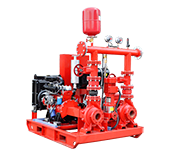
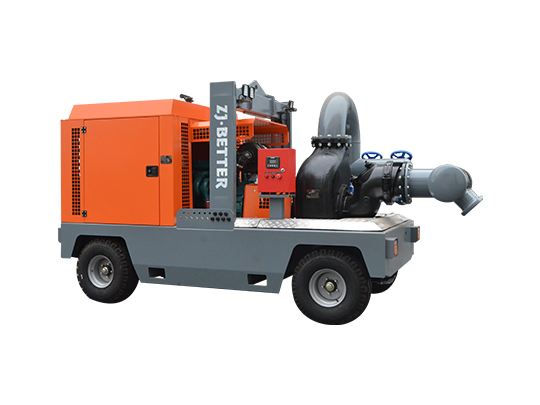
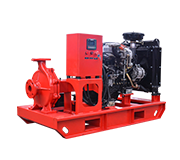
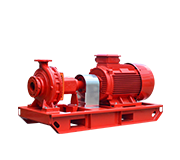
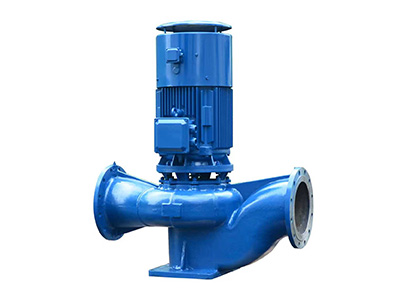
High-performance electric fire pump equipment uses a high-quality motor as its power core, featuring stable operation, rapid response, and high efficiency. The motor undergoes rigorous matching during the design process, maintaining stable output under different load conditions, effectively avoiding unstable water supply problems caused by insufficient power or fluctuations. Simultaneously, the motor has high starting performance, quickly reaching rated speed in emergencies to provide timely water support for the fire protection system.
2. Optimized Hydraulic Design Improves Overall Water Supply Efficiency
The equipment optimizes the impeller structure and flow channel design through advanced hydraulic models, reducing internal energy loss and making water flow smoother. This design ensures the fire pump maintains high efficiency under varying flow conditions, thereby enhancing overall water supply capacity. High hydraulic performance not only meets diverse firefighting needs but also reduces operating energy consumption, making the equipment more economical in the long run.
3. Automated Control System for Intelligent Operation
These electric fire pumps are typically equipped with an intelligent control system, enabling automatic start/stop, pressure regulation, and operational status monitoring. When the system pressure falls below the set value, the equipment automatically starts and restores water supply; it automatically stops operating once the pressure recovers, avoiding unnecessary energy consumption. The system also features a fault alarm function, promptly alerting to abnormal situations and improving system safety and reliability.
4. High-Pressure Output Capability Meets Complex Water Supply Needs
In high-rise buildings and large facilities, fire protection systems require high water pressure. This equipment possesses a stable high-pressure output capability, effectively delivering water to high-rise or long-distance areas, ensuring the normal operation of sprinkler and fire hydrant systems. Stable pressure output avoids the risks associated with water supply fluctuations, improving firefighting efficiency and system reliability.
5. Compact Design Saves Installation Space
The high-performance electric fire pump features a compact design, rationally arranging the pump body, motor, and control components to reduce floor space. This design is particularly suitable for projects with limited equipment room space, effectively improving space utilization. The compact structure also simplifies piping connections, making the system layout more rational and improving overall installation efficiency.
6. Low-Noise Operation Enhances the Quality of the Working Environment
During operation, the equipment effectively reduces vibration and noise through optimized mechanical structure and vibration damping design. Low-noise operation is especially important for fire protection systems installed indoors or near areas with high pedestrian traffic. This feature not only improves the working environment but also meets the environmental and comfort requirements of modern buildings.
7. Multiple Protection Functions Ensure Safe Operation
To ensure long-term stable operation, this fire pump is equipped with multiple safety protection mechanisms, including overload protection, overheat protection, and phase loss protection. When the system detects an abnormal state, it will automatically take protective measures to prevent equipment damage or malfunction. These protective functions provide reliable safety assurance, enabling stable operation during critical moments.
8. Convenient Maintenance Reduces Long-Term Operating Costs
The equipment is designed with maintenance needs in mind, featuring a rational layout of key components for easy daily inspection and replacement. The clear system structure allows maintenance personnel to quickly locate and resolve problems. Stable operation reduces the frequency of malfunctions, thereby lowering maintenance costs and downtime, and improving overall economic efficiency.
9. Adaptable to Multiple Application Scenarios
High-performance electric fire pumps are widely applicable to various scenarios, including commercial buildings, residential communities, industrial plants, hospitals, and public facilities. Whether for new projects or system upgrades, this equipment provides reliable water supply support. Its flexible configuration capabilities allow it to meet fire protection needs of varying scales and complexities, making it an important component of modern fire protection systems.
10. Strong System Integration Capabilities Facilitate Expansion and Upgrades
This equipment boasts excellent system compatibility, seamlessly integrating with various fire control systems and monitoring platforms. Through modular design, users can expand functionality or upgrade the system according to their actual needs. This high flexibility allows the equipment to adapt to future technological developments, extending its service life and increasing investment value.
High-performance electric fire pumps play a vital role in modern fire protection systems due to their stable and efficient operation, intelligent control systems, and wide applicability. They not only provide a continuous and reliable water supply but also offer advantages such as energy saving, low noise, and easy maintenance. As fire safety requirements continue to rise, these devices will be used in more fields, building safer and more efficient fire protection systems for various buildings and industrial facilities.
 WhatsApp me