
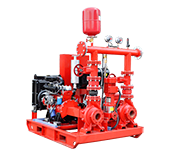
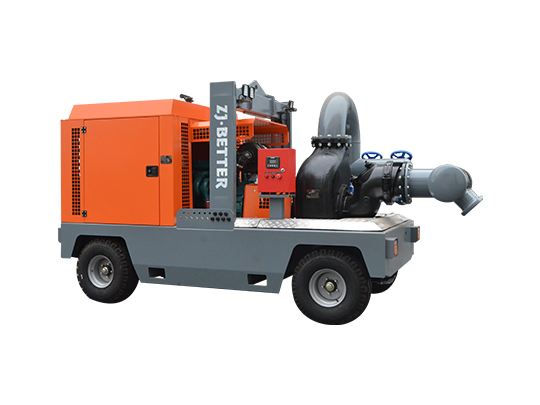
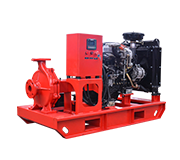
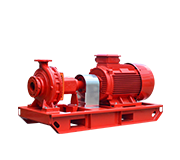

With the continuous expansion of modern urban construction, the number of high-rise buildings, large commercial complexes, industrial plants, and public infrastructure is rapidly increasing, and building structures are becoming increasingly complex, placing higher demands on the safety and reliability of fire protection systems. In the event of a fire, a stable and sufficient fire water supply is crucial for controlling the fire, ensuring personnel safety, and minimizing property damage. As the core equipment in the fire water supply system, the performance of the fire pump directly affects the overall operation of the fire protection system. High-lift vertical multistage fire pump units are an important piece of equipment widely used in this context. This equipment achieves high-lift output through a multi-stage impeller structure design and, combined with an automatic control system, provides a continuous and stable fire water supply guarantee for high-rise buildings and large fire pipe networks.
1. Multi-stage Impeller Structure Achieves High-lift Water Supply
High-lift vertical multistage fire pump units employ a multi-stage impeller series design, progressively increasing water pressure through multiple impellers to achieve a high-lift output. This structure can provide powerful pressurization capacity within a limited equipment volume, making it particularly suitable for fire protection systems in high-rise buildings or over long distances. In fire-fighting water supply systems, the higher the building, the higher the required pump head. Traditional single-stage pumps often struggle to meet these demands under high-head conditions, while multi-stage fire pumps can stably increase water pressure through step-by-step pressurization, ensuring the smooth delivery of fire-fighting water to high-rise areas. Furthermore, the multi-stage impeller structure effectively improves pump efficiency, maintaining stable performance even under high-head operating conditions and providing reliable water supply support for the entire fire-fighting system.
2. Vertical Structure Design Saves Installation Space
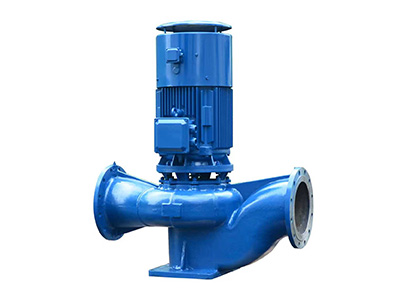
Vertical multi-stage fire pump units utilize a vertical structure design, arranging the pump, motor, and pump body components on the same axis, significantly reducing the equipment's footprint. This structure offers a clear advantage for equipment rooms or underground pump rooms with limited space. The vertical structure not only saves space but also allows for a more organized and compact equipment layout, facilitating pipe connections and system installation. Simultaneously, the vertical structure makes the pump's center of gravity more stable, reducing vibration during operation and improving operational stability. In modern building equipment rooms, efficient space utilization is crucial. The compact design of vertical fire pump units improves the utilization of machine room space while reserving more installation space for other fire-fighting equipment.
3. High-efficiency hydraulic design enhances operational efficiency.
High-lift vertical multistage fire pump units utilize advanced hydraulic models in their design process. By optimizing impeller shape, guide vane structure, and flow channel design, water flow remains smooth within the pump body, thereby reducing energy loss. This high-efficiency hydraulic design not only improves equipment operating efficiency but also reduces operating energy consumption. In large building fire protection systems, fire pumps need to be on standby for extended periods and undergo regular testing; therefore, energy efficiency is paramount. By optimizing the hydraulic structure, the fire pump maintains high efficiency while ensuring high head output, achieving a balance between energy saving and high performance.
High-lift vertical multistage fire pump units utilize advanced hydraulic models in their design process. By optimizing impeller shape, guide vane structure, and flow channel design, water flow remains smooth within the pump body, thereby reducing energy loss. This high-efficiency hydraulic design not only improves equipment operating efficiency but also reduces operating energy consumption. In large building fire protection systems, fire pumps need to be on standby for extended periods and undergo regular testing; therefore, energy efficiency is paramount. By optimizing the hydraulic structure, the fire pump maintains high efficiency while ensuring high head output, achieving a balance between energy saving and high performance.
4. Stable pressure ensures normal operation of the fire protection system.
Equipment such as sprinkler systems, fire hydrant systems, and water cannon systems in fire protection systems have very strict water pressure requirements. Insufficient or fluctuating water pressure may affect the effectiveness of fire-fighting equipment. High-lift vertical multistage fire pump units can continuously provide a stable high-pressure water flow, ensuring that the fire protection network remains within the specified pressure range. Even when multiple fire protection facilities are operating simultaneously, the equipment can maintain a stable water supply. This stable pressure output capability is particularly important for large buildings and industrial facilities, as these locations have complex fire protection systems with high water demand, requiring stable and reliable water supply equipment to ensure system operation.
5. Automatic Control System Enables Intelligent Operation
Modern fire pump units are typically equipped with automatic control systems that monitor the fire protection network pressure in real time through pressure sensors and control modules. When the system pressure falls below the set value, the fire pump can automatically start operation to quickly restore the network pressure. The automatic control system also has various functions, such as operating status display, fault alarm, remote control, and automatic protection. These functions improve the level of equipment automation and reduce the need for manual operation. Through the intelligent control system, the fire pump can respond quickly in the event of a fire, providing sufficient water to fire protection facilities, thereby improving the safety and reliability of the overall fire protection system.
6. High-Quality Materials Ensure Equipment Durability
Fire pumps need to be on standby for extended periods and able to start quickly in emergencies, making structural durability crucial. High-lift vertical multistage fire pump units typically utilize high-strength metal materials for the pump body and key components, providing excellent corrosion and wear resistance. The impeller, bushings, and sealing components inside the pump body undergo precision machining and rigorous testing to ensure stability during high-speed operation. This combination of high-quality materials and advanced manufacturing processes enables the fire pump to operate stably in complex environments for extended periods, reducing equipment failure rates and extending service life.
7. Suitable for Diverse Firefighting Applications
High-lift vertical multistage fire pump units have a wide range of applications, including high-rise residential buildings, commercial complexes, office buildings, hotels, hospitals, industrial plants, and large warehousing and logistics centers. In these scenarios, buildings are often tall or have complex fire hydrant networks, requiring high fire water supply pressure. Multistage fire pumps provide stable high-lift output to meet various complex fire water supply needs. Furthermore, this equipment can be used in conjunction with fire water tanks, fire water reservoirs, and pressure stabilization systems to form a complete fire water supply system solution.
8. Comprehensive Protection Functions Ensure Operational Safety
To ensure safe operation, high-lift vertical multistage fire pump units are typically equipped with multiple protection functions, such as overload protection, phase loss protection, overheat protection, and low water level protection. When abnormal conditions occur during equipment operation, the control system will promptly issue alarm signals and take protective measures to prevent equipment damage. A comprehensive protection system not only improves equipment safety but also extends its service life, ensuring the fire protection system remains in a reliable operating state.
9. Convenient Maintenance Improves Equipment Management Efficiency
Equipment maintenance is a crucial aspect of ensuring the long-term stable operation of the fire protection system. High-lift vertical multistage fire pump units are designed with maintenance needs in mind, making key components easy to disassemble and inspect. The equipment structure is rationally laid out, with maintenance space reserved for each major component, facilitating regular inspection and maintenance by technicians. Regular maintenance and testing ensure that the equipment remains in optimal operating condition at critical moments, thereby improving the reliability of the entire fire protection system.
10. Enhancing the Overall Safety Level of Fire Protection Systems
In modern fire protection engineering, the fire water supply system is a crucial infrastructure for ensuring building safety, and the fire pump unit is the core equipment for system operation. High-lift vertical multistage fire pump units, with their advantages of high-lift output, stable water supply, and reliable operation, can significantly enhance the safety level of the entire fire protection system. In the event of a fire, the equipment can quickly start and continuously provide high-pressure fire water, enabling sprinkler and fire hydrant systems to quickly take effect, thereby effectively controlling the spread of fire. As building scale continues to expand and fire safety standards continue to rise, this high-performance fire pump equipment will play an increasingly important role in future fire protection engineering.
High-lift vertical multistage fire pump units, with their advanced multistage impeller structure, efficient hydraulic design, and intelligent automatic control system, play a key role in modern fire water supply systems. This equipment not only provides a stable high-pressure water supply but also boasts advantages such as compact structure, high operating efficiency, convenient maintenance, and high reliability. Through the application of high-quality materials and a comprehensive protection system, the equipment can operate stably for extended periods in complex environments, providing reliable fire water supply for various buildings and industrial facilities. With the continuous development of urban construction and the increasing requirements for fire safety, high-lift vertical multistage fire pump units will be more widely used in future fire protection projects, providing more stable and reliable fire water supply support for building safety and public safety.
 WhatsApp me