

1. Equipment Overview and Functional Positioning
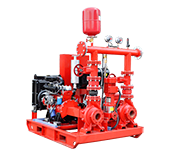
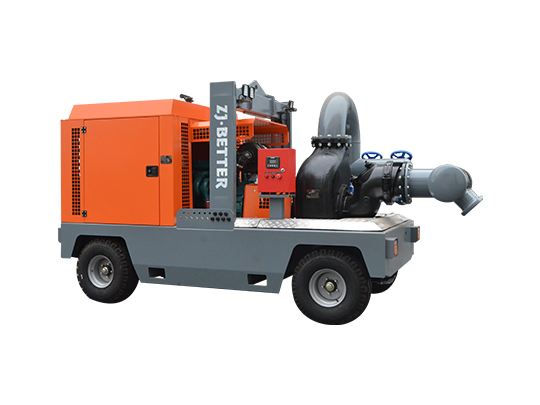
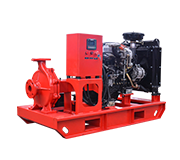
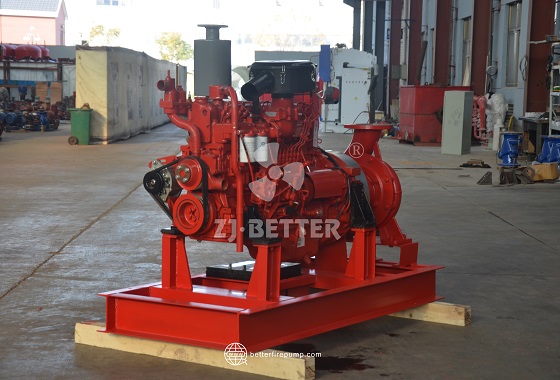
A high-lift, high-flow diesel fire pump is an independent fire water supply device powered by a diesel engine. Its primary function is to provide stable and sufficient fire water pressure for large facilities such as buildings, factories, oil depots, docks, and tunnels. Powered by a diesel engine, the pump is independent of external power systems and can automatically start and operate during power outages or emergencies, ensuring a continuous water supply to the fire protection system. These pump systems are typically equipped with an automatic control system that can be linked with sprinkler systems, fire hydrant systems, or foam fire extinguishing systems, enabling automatic detection and intelligent start-stop functions.
2. Core Power System—Advantages of Diesel Engine Drives
As the core power unit of fire pumps, diesel engines offer high torque output, excellent fuel efficiency, and high reliability. Compared to electric motors, diesel engines can operate independently in environments without electricity or with unstable voltage, making them particularly suitable for emergency support in remote areas or critical locations. Their fuel system is scientifically designed to support long periods of continuous operation, while cooling and lubrication systems ensure smooth engine operation under high loads. Furthermore, modern diesel engines are commonly equipped with an electronic control unit (ECU) that enables automatic speed regulation, fuel consumption optimization, and fault alarms, providing more intelligent power management for fire protection systems.
3. Pump Structure Design and Material Properties
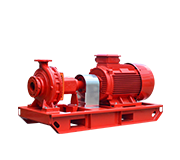
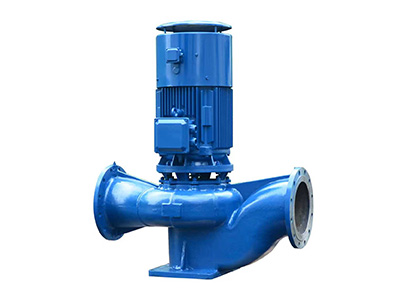
High-lift, high-flow fire pumps typically utilize horizontal centrifugal or vertical multi-stage pump structures. The pump body is often constructed of high-strength cast iron, stainless steel, or ductile iron to ensure pressure resistance, corrosion resistance, and wear resistance. The pump body is precision-machined internally, and the impeller features a fluid-optimized design, effectively improving hydraulic efficiency and lift performance. The shaft seal typically utilizes a mechanical seal, ensuring excellent sealing and leak prevention in high-pressure and high-temperature environments. The inlet and outlet are scientifically designed with smooth flow paths, minimizing energy loss and ensuring stable flow output.
4. Control System and Automated Operation
Modern diesel fire pump units are equipped with an intelligent control cabinet capable of fully automatic, manual, and remote control. The system automatically monitors the main power status, pipeline pressure, fuel level, and pump operating conditions. If the main power fails or the water pressure falls below a set value, the control system automatically starts the diesel engine and resumes water supply. The control cabinet also features fault alarms, operation logs, automatic shutdown, and data monitoring. Some systems support networking with a building automation system (BAS) or fire monitoring center for integrated management, significantly improving the speed and accuracy of fire response.
5. Lift and Flow Performance Analysis
The greatest feature of high-lift, high-flow diesel fire pumps is their ability to simultaneously achieve high lift and high flow output. The pump typically reaches 80 to 300 meters, with flow rates ranging from 20 to 400 liters per second, meeting the water supply needs of high-rise buildings, long-distance water transmission, and large fire protection networks. The pump's performance curve is well-designed, maintaining stable pressure output across different flow ranges. By properly configuring the diesel engine power and pump parameters, system performance can be flexibly adjusted to suit different building sizes and fire protection standards.
6. Installation and Space Compatibility
This type of pump unit is typically designed with an integrated base structure for easy on-site installation and maintenance. The entire unit undergoes rigorous factory commissioning and is ready for operation after only connecting the piping and oil lines on-site. The installation space requirement is relatively small, making it suitable for fire pump rooms, basements, or independent equipment rooms. Some models feature a seismic-resistant foundation design to reduce mechanical vibration and noise during operation. For outdoor installations, rainproof and dustproof covers and silencer systems can be added to ensure long-term, stable operation in various climates.
7. Operational Stability and Safety
Diesel fire pump systems are designed with safety and reliability in mind. The equipment is equipped with monitoring devices for oil pressure, water temperature, speed, and battery voltage. If any abnormality occurs, the system will automatically alarm or shut down for protection. The fuel system is leak-proof and anti-clogging to prevent fuel contamination and safety hazards. The cooling system uses a forced circulation cooling structure to prevent engine overheating. The exhaust system is equipped with a silencer to reduce noise pollution, making it suitable for use in densely populated areas. Furthermore, the entire unit has undergone multiple tests, including pressure resistance tests, continuous operation tests, and emergency start-stop tests, to ensure reliable startup at critical moments.
8. Maintenance and Service Life
One of the design principles of the high-lift, high-flow diesel fire pump is "easy maintenance and long life." The unit adopts a modular design, making components easy to disassemble, install, and replace. Routine maintenance requires only regular checks of the engine oil, coolant, filter, and battery. The pump and engine lubrication systems can be filled automatically or manually inspected. Regular maintenance can extend the equipment life to over 15 years. The use of wear-resistant materials and high-quality bearings in core components ensures smooth operation and low maintenance costs.
9. Application Scenarios and Industry Applicability
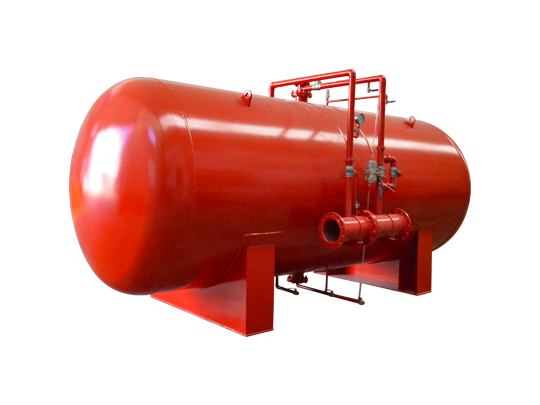
This type of diesel fire pump is widely used in high-rise buildings, commercial complexes, chemical plants, power plants, ports, airports, and urban water supply systems. The independent operation and high performance of diesel engine pump units are particularly prominent in locations with unstable power supplies or where long-distance water supply is required. In petrochemical and hazardous materials storage areas, this equipment can be integrated with foam systems for rapid fire extinguishing and protection. Its flexible installation options and diverse control interfaces make it a preferred choice for various fire protection engineering designs.
10. Energy Saving and Environmental Protection and Future Development Trends
With increasing energy conservation and environmental protection requirements, modern diesel fire pumps are developing towards efficient combustion, low emissions, and intelligent monitoring. The new generation of diesel engines utilizes high-pressure common rail injection technology, resulting in higher combustion efficiency and lower exhaust emissions. Furthermore, digital control systems enable remote monitoring and energy consumption statistics, providing users with operational data support. Future diesel fire pumps will increasingly integrate with IoT platforms to form intelligent fire protection systems, enabling real-time status monitoring, remote start/stop, and fault diagnosis, further enhancing fire safety.
High-lift, high-flow diesel fire pumps, with their powerful power, reliable performance, and high adaptability, are an ideal choice for fire protection systems in large buildings and industrial sites. They provide a continuous, stable, high-pressure water supply, ensuring the proper operation of firefighting equipment, regardless of power outages, extreme weather conditions, or complex operating conditions. With the continuous advancement of technology and intelligent development, diesel fire pumps will play an even more important role in future fire safety, providing a solid foundation for public safety.
 WhatsApp me