
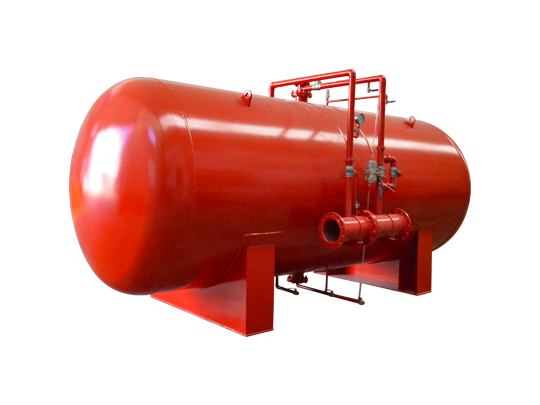
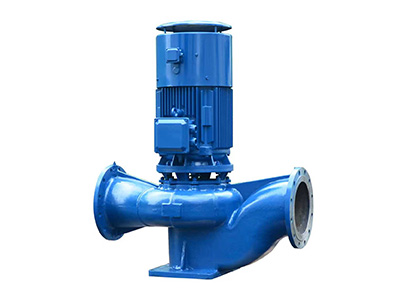

1. Heavy-duty Structural Design Ensures High-Intensity Operational Stability
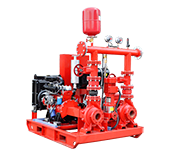
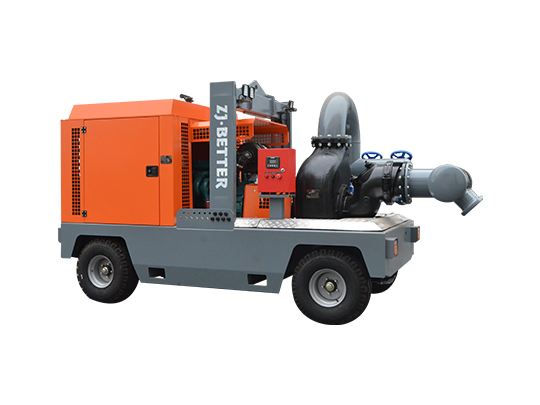
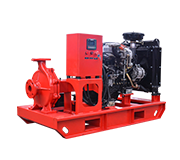
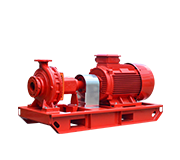
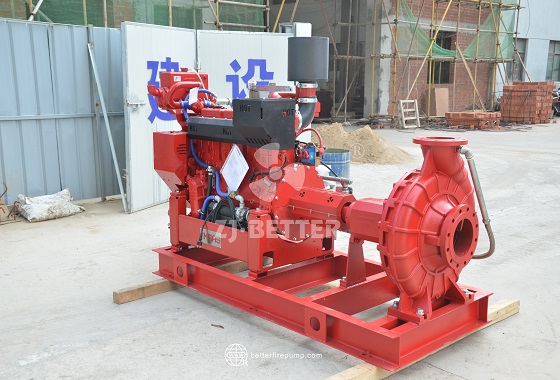
The overall structural design of heavy-duty horizontal fire pumps fully considers the actual needs of long-term high-load operation. The pump body is cast from high-strength metal materials, with a thick structure and strong resistance to deformation, enabling it to maintain stable performance under high-pressure conditions. The horizontal structure keeps the equipment's center of gravity low, ensuring smooth operation and effectively reducing vibration and mechanical stress concentration. In industrial plants, energy facilities, or large warehouse environments, fire pumps often need to quickly reach full load operation within a short period. Heavy-duty structures ensure the pump body maintains reliability under high speed and high pressure conditions, fundamentally reducing the risk of equipment failure and providing a solid foundation for the fire protection system.
2. The Advantages of Efficient Power Transmission from Horizontal Layouts
Horizontal fire pump structures offer significant advantages in power transmission. The power source and pump body are typically connected via direct coupling or high-efficiency couplings, resulting in a short transmission path and low energy loss, thus improving overall operating efficiency. This layout not only helps improve the stability of output power but also reduces equipment wear caused by transmission errors. Under complex operating conditions, such as emergency startup after long periods of standby or continuous high-head water supply, the horizontal structure ensures rapid and stable power transmission to the pump body, making water output more continuous and reliable, and avoiding the impact of pressure fluctuations on the fire protection network.
3. Hydraulic Performance Design Adapting to High Flow and High Head Requirements
Heavy-duty horizontal fire pumps have undergone specialized optimization in hydraulic model design to meet the actual needs of industrial fire protection systems for high flow and high head. Through scientific impeller structure design and flow channel layout, the equipment maintains high efficiency while delivering high pressure, avoiding long-term operational performance issues caused by excessive energy consumption. In large storage areas or industrial parks with extensive pipeline coverage, fire-fighting water often needs to be transported to distant locations or higher floors. This type of pump can stably provide sufficient water, ensuring reliable water supply for terminal sprinklers, fire hydrants, and other fire-fighting facilities.
4. Wear-resistant and corrosion-resistant materials extend equipment lifespan. Fire-fighting water supply environments under complex conditions are often accompanied by adverse factors such as varying water quality, high levels of impurities, or prolonged dampness. To address these challenges, heavy-duty horizontal fire pumps utilize wear-resistant and corrosion-resistant materials in key components, such as high-strength alloy shafts, corrosion-resistant coated pump casings, and reinforced sealing structures. These materials not only effectively resist wear and tear from long-term operation but also maintain stable performance under different water quality conditions, thereby extending the overall service life of the equipment. For industrial fire-fighting systems requiring long-term operation, this durable design significantly reduces maintenance frequency and replacement costs.
5. Stable Operation in Complex Environments: Industrial environments, energy projects, and infrastructure construction sites often present unfavorable conditions such as high dust levels, significant vibration, and substantial temperature fluctuations. Heavy-duty horizontal fire pumps are designed with these environmental factors in mind. Through reinforced bases, optimized bearing configurations, and a rationally laid-out cooling system, the equipment ensures stable operation even in harsh environments. Whether in high-temperature workshops, open-air installation areas, or space-constrained pump rooms, the equipment maintains excellent working condition, providing continuous and reliable water supply support to the fire protection system.
6. Rapid Start-up Response to Meet Emergency Firefighting Needs: In the critical moment of a fire, the ability of a fire pump to start quickly directly affects the effectiveness of fire control. Heavy-duty horizontal fire pumps have been optimized for startup performance, ensuring rapid deployment in emergencies. Whether starting from a cold start or after a long period of standby, the equipment can reach rated operating status within a short time, buying valuable emergency time for the fire protection system. This characteristic is particularly important in high-risk industrial areas, effectively reducing the risk of fire spread and improving the overall fire safety level.
7. High Compatibility with Multiple Fire Protection Systems
Modern fire protection engineering typically employs a combination of multiple water supply methods, such as fire hydrant systems, sprinkler systems, or foam extinguishing systems. Heavy-duty horizontal fire pumps offer excellent system compatibility, allowing integration with different types of fire protection piping networks and control systems. Their flexible interface design and stable pressure output enable easy integration into existing fire protection systems, meeting the diverse needs of new projects or renovations. This compatibility provides greater flexibility for engineering design and system expansion.
8. Ease of Maintenance and Reduced Operating Costs
To minimize maintenance difficulties during operation, heavy-duty horizontal fire pumps are designed with ease of maintenance in mind. Key components are rationally laid out, with ample space for inspection and maintenance, facilitating routine checks and upkeep. Routine maintenance can be performed without complex disassembly, thus reducing downtime and increasing system availability. For large factories or continuous production enterprises, this easy-to-maintain design helps reduce operating costs while ensuring the fire protection system is always in good standby condition.
9. Long-Term Continuous Operation Capability Meets High Fire Protection Standards
In some high-risk industries or key protected areas, fire pump equipment may require long-term operational testing, and even continuous water supply under special circumstances. Heavy-duty horizontal fire pump equipment, with its reinforced structure, stable power transmission, and efficient cooling system, possesses excellent continuous operation capability. During long-term high-load operation, the equipment can maintain stable pressure and flow output, and is less prone to overheating or performance degradation, thus meeting high-standard fire protection codes and engineering application requirements.
10. Widely Used in Various Industrial and Engineering Fire Protection Scenarios
Heavy-duty horizontal fire pump equipment is widely used in industrial plants, large warehouses, energy facilities, transportation infrastructure, and various engineering projects. In these scenarios, fire protection systems often cover large areas and have long water supply distances, requiring extremely high equipment reliability. This type of fire pump, with its stable performance and strong adaptability, can effectively support complex fire protection pipe networks and improve the overall fire protection level. Its mature and reliable application performance makes it one of the preferred fire water supply equipment in many engineering projects.
Heavy-duty horizontal fire pumps, with their high-strength structure, stable hydraulic performance, and excellent environmental adaptability, provide reliable protection for fire protection systems under complex conditions. Whether in high-load industrial environments or engineering projects with extremely high safety requirements, this equipment can operate stably at critical moments, ensuring uninterrupted fire water supply. Through scientific design and rigorous manufacturing, this type of fire pump has become an indispensable and important component of modern industrial fire protection systems, providing solid support for the safe operation of various facilities.
 WhatsApp me