
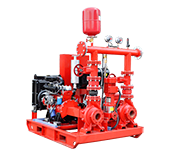
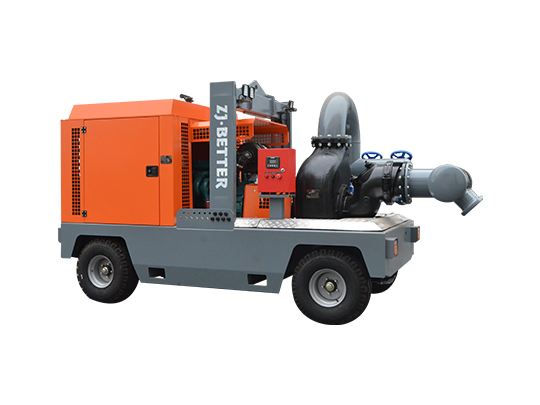
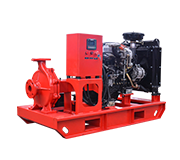
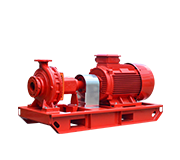
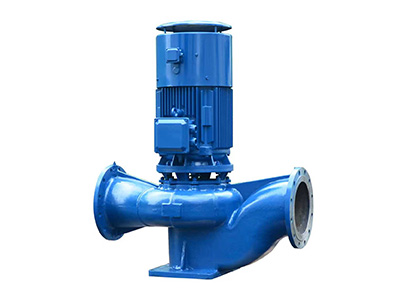

1. Design Concept Centered on Rapid Start-up This type of fire pump was designed from the outset with the goal of "shortening response time," with targeted optimizations made to power matching, transmission structure, and control logic. Through the rational selection of power source and pump body parameters, the equipment can quickly enter its rated operating state after receiving a start signal, avoiding the problems of slow start-up and long ramp-up time of traditional equipment. Simultaneously, unnecessary intermediate links are reduced in the structure, making energy transfer more direct and efficient, thereby achieving a truly rapid response. This design concept not only meets the practical needs of modern fire protection systems but also enhances the overall system's reliability in emergency situations.
2. Stable Water Supply Ensures Continuous Operation in Critical Moments
Rapid response does not mean sacrificing operational stability. On the contrary, after starting up quickly, this fire pump can rapidly establish stable flow and pressure output, ensuring the fire pipeline network receives sufficient water immediately. In the early stages of a fire, water pressure fluctuations often affect the effectiveness of sprinkler systems and fire hydrants. This product, through optimized impeller structure and flow channel design, effectively reduces hydraulic loss, resulting in a more stable water output. This stability is particularly important in complex scenarios such as high-rise buildings and large factories, forming the foundation for continuous firefighting operations.
3. Wide Compatibility with Various Fire Protection Systems
This fire pump is designed with the application needs of different fire protection systems in mind, achieving good compatibility with automatic sprinkler systems, indoor and outdoor fire hydrant systems, and fixed fire extinguishing devices. Whether used as a main pump or a standby pump, it plays its due role in the system. Its interface type, installation dimensions, and operating parameters are highly versatile, facilitating integration in new projects and suitable for upgrading existing systems. This compatibility provides engineers with greater flexibility and reduces overall system adjustment costs.
4. Compact Structure, Enhancing On-Site Installation and Layout Efficiency
In many fire pump rooms or equipment rooms, space is often limited. This product, through a rational layout of the pump body, power source, and auxiliary components, achieves a more compact overall structure, effectively controlling the footprint. The compact structure not only facilitates on-site installation and subsequent maintenance but also improves the equipment's applicability in confined spaces. For urban buildings and underground facilities, this structural advantage can significantly reduce civil engineering and installation difficulties, improving project implementation efficiency.
5. Durable Materials and Manufacturing Processes Ensure Long-Term Reliable Operation
Firefighting equipment is often in a long-term standby state and must remain stable and reliable once put into use. This fire pump fully considers durability requirements in material selection and manufacturing processes. Key components use materials suitable for long-term operation, and strict processing and assembly procedures ensure structural strength and operational accuracy. Even under high-frequency start-up or long-term continuous operation, it maintains good performance. This durability reduces the system risk caused by equipment failure for users and is an important guarantee for long-term safe operation.
6. Optimized Maintenance Design Reduces Operation and Management Costs
Besides performance, this fire pump also excels in ease of maintenance. Its modular design and clear structural layout make daily inspections, maintenance, and parts replacement more convenient. Maintenance personnel can complete inspections of critical components without complex disassembly, effectively shortening maintenance time and reducing labor costs. In long-term use, this ease of maintenance significantly reduces the risk of system downtime, improving the overall availability and economy of the fire protection system.
7. Environmental Tolerance for Complex Operating Conditions
In different regions and application scenarios, fire pumps may face various adverse conditions such as high temperatures, humidity, dust, or complex water quality. This product, through reasonable protective design and structural sealing measures, improves its adaptability to complex environments. It maintains stable operation in industrial plants, underground facilities, and outdoor pumping stations. This environmental adaptability makes it more valuable in diverse projects.
8. Rapid Response Improves Overall Fire Protection System Efficiency
From a system perspective, the rapid response capability of the fire pump directly improves the efficiency of the entire fire protection system. The equipment can be quickly put into operation after a fire breaks out, providing timely water to sprinkler heads and fire hydrants, thereby shortening the fire extinguishing response time and reducing the risk of fire spread. This efficiency improvement is not only reflected in the equipment itself, but also in its positive impact on personnel safety and property protection, making it an important factor that cannot be ignored in modern fire protection engineering.
9. Meets the stringent reliability requirements of engineering projects
In engineering projects, fire protection equipment often needs to pass multiple acceptance tests. This fire pump is designed and performs with full consideration of engineering specifications and practical application needs, meeting the stringent reliability and stability requirements of projects. Its performance helps the project pass commissioning and acceptance smoothly, providing strong support for project delivery. This engineering adaptability makes it a reliable core piece of equipment in many projects.
10. Sustainable value for future fire protection needs
As building scale expands and safety standards continue to improve, the performance requirements of fire protection systems are also constantly increasing. The rapid response, stable operation, and high reliability demonstrated by this fire pump are important characteristics for future fire protection needs. By reserving upgrade and expansion space in the design, it can adapt to future system optimization needs, bringing users longer-term value.
In summary, fire pumps, with their rapid response as a core advantage, play an irreplaceable role in modern fire protection systems. They not only start quickly and provide stable water supply in critical moments, but also offer a solid guarantee for the long-term safe operation of fire protection systems through reliable structural design, good compatibility, and ease of maintenance. For engineering projects that pursue high safety standards and high operational efficiency, this type of fire pump is undoubtedly an important choice for achieving reliable fire protection.
 WhatsApp me