

1. Compact Product Structure, Integrated Design Enhances System Integration
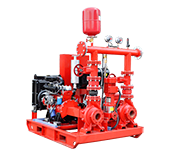
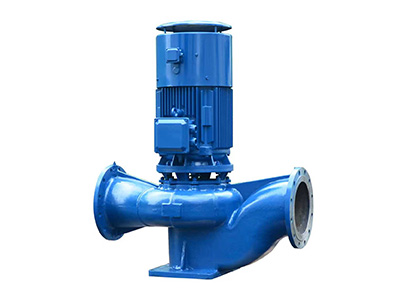
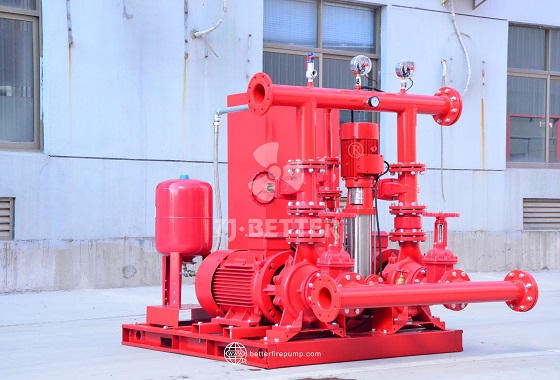
Electric fire-fighting pressure-stabilizing pump units typically adopt a skid-mounted integrated design, highly integrating the electric pump, pressure tank, control cabinet, valve components, and piping system onto a single base. This design not only significantly reduces on-site installation work but also improves the overall structural stability of the equipment. The equipment is pre-commissioned at the factory, requiring only simple connections from the user for immediate use, greatly shortening the construction cycle. Furthermore, the integrated structure effectively reduces pipeline connection points, lowering the risk of leakage and improving system safety.
2. Intelligent Pressure Control for Automatic Start-Stop Operation
This equipment is equipped with an advanced automatic control system that automatically starts and stops based on changes in fire hydrant network pressure. When the system pressure falls below the set value, the pressure-stabilizing pump automatically starts to replenish pressure; it automatically stops operating once the pressure returns to the set range. This intelligent control method avoids manual intervention, improves system response speed, and reduces unnecessary energy consumption. The control system typically has multiple protection functions, such as overload protection and phase loss protection, ensuring safe and stable operation of the equipment.
3. High-Efficiency Motor Drive for Significant Energy Saving
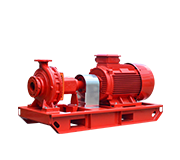
The electric fire-fighting pressure-stabilizing pump unit uses a high-efficiency energy-saving motor, featuring stable operation and low energy consumption. In normal standby mode, it only needs to operate for short periods during pressure fluctuations, significantly reducing energy consumption. Simultaneously, the motor operates with low noise and minimal vibration, making it suitable for installation in buildings with high environmental requirements, such as hospitals, office buildings, and residential areas. This energy-saving characteristic not only reduces operating costs but also aligns with the current trend of green building development.
4. Optimized Pressure Tank Configuration for System Stability
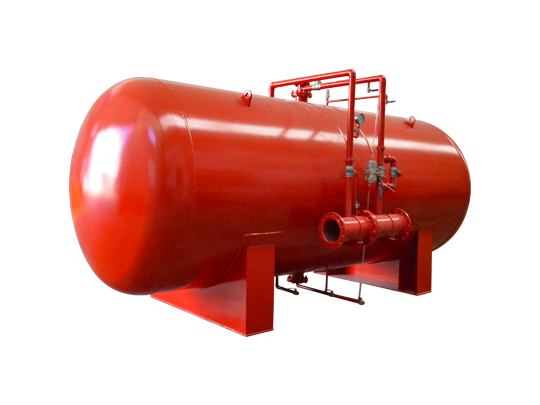
The pressure tank in the equipment acts as a buffer and energy storage unit within the system, effectively absorbing pressure fluctuations in the pipeline network and reducing frequent pump starts. By rationally configuring the pressure tank volume, the equipment's service life can be extended and mechanical wear reduced. Simultaneously, the pressure tank can provide small-flow water supply for short periods, further enhancing the system's stability and reliability, making it an indispensable component of a pressure-stabilizing system.
5. Adaptable to Diverse Building Fire Protection System Needs
This type of pressure-stabilizing pump unit is widely applicable to sprinkler systems, fire hydrant systems, and other fixed fire extinguishing systems. Whether in high-rise buildings, underground garages, industrial plants, or warehousing and logistics centers, it can be flexibly configured according to actual needs. The equipment can be customized to meet different flow and pressure requirements, satisfying diverse application scenarios and providing reliable fire pressure assurance for various types of buildings.
6. Stable Operation, Ensuring Long-Term Standby Status of Fire Protection Systems
Fire protection systems are in a standby state most of the time, making the long-term stable operation of the equipment particularly important. The electric fire-fighting pressure-stabilizing pump unit uses high-quality materials and precision manufacturing processes to ensure stable performance even during long-term operation. Its structural design fully considers durability and reliability, enabling long-term operation in complex environments without affecting overall system performance.
7. Simple Maintenance, Reduced Operation and Maintenance Costs
The equipment is designed with future maintenance needs in mind. Key components are rationally arranged for easy inspection and replacement. The control system is typically equipped with status display and fault alarm functions, allowing operators to quickly identify and address problems. Furthermore, due to the low operating frequency, overall wear is minimal, reducing maintenance frequency and costs, and improving the equipment's economic efficiency.
8. Rapid Response, Improved Firefighting System Start-up Efficiency
In the initial stages of a fire, rapid system pressure recovery is crucial. The electric fire-fighting pressure-stabilizing pump unit can start immediately upon pressure drop, quickly replenishing pipeline pressure and buying time for the main fire pump to start. This rapid response capability effectively improves the overall firefighting system's start-up efficiency, gaining valuable time for firefighting.
9. Comprehensive Safety Protection Functions, More Reliable Operation
The equipment is equipped with multiple safety protection mechanisms, including overpressure protection, overload protection, and motor protection, enabling automatic shutdown in abnormal situations to prevent equipment damage. Meanwhile, the control cabinet adopts a standardized design, possesses excellent protective performance, and adapts to various environmental conditions. These safety designs greatly improve the reliability of equipment operation, ensuring normal functioning in critical moments.
10. Modular Design for Easy Expansion and Upgrades
As building scale expands or fire protection needs change, systems often require expansion or upgrades. The electric fire-fighting pressure-stabilizing pump unit adopts a modular design concept, facilitating combination with other fire-fighting equipment, such as main fire pump sets and diesel fire pump sets. Users can flexibly adjust the system configuration according to actual needs to achieve a more efficient fire water supply solution.
As an important component of building fire protection systems, the electric fire-fighting pressure-stabilizing pump unit undertakes the critical task of maintaining pipeline pressure and ensuring stable system operation. With its intelligent control, high efficiency and energy saving, integrated structure, and reliable operating performance, it plays an irreplaceable role in various building fire protection projects. Through reasonable selection and scientific configuration, this equipment can not only improve the overall efficiency of the fire protection system but also effectively reduce operating and maintenance costs, providing modern buildings with continuous, stable, and safe fire pressure assurance.
 WhatsApp me