
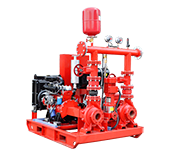
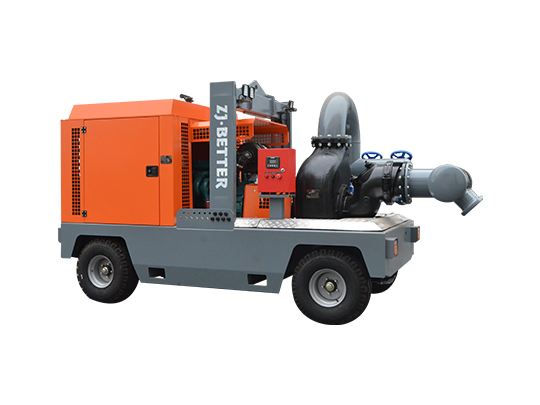
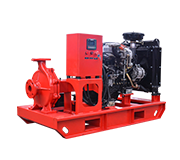
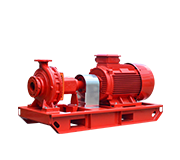
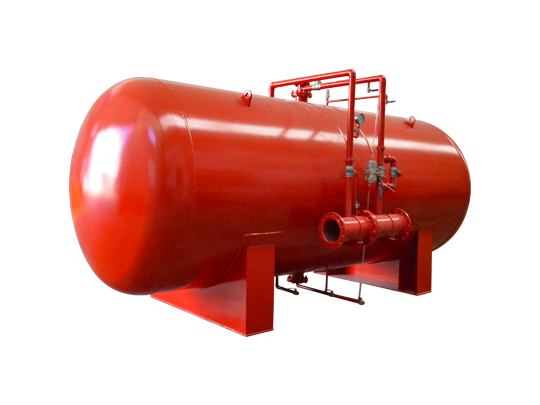

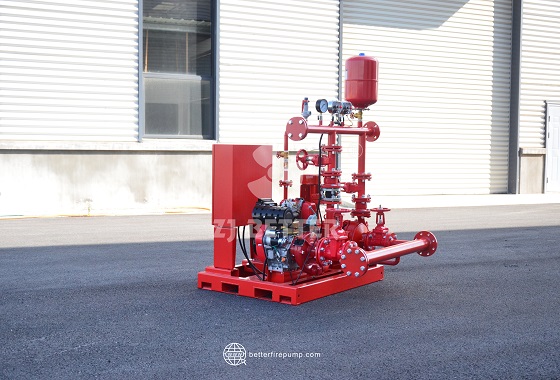
1. Miniaturized Structural Design Enhances System Layout Flexibility The small fire-fighting pressure-stabilizing pump unit adopts a compact structural design, integrating the pump, motor, control components, and foundation support into a single unit. It occupies a small area and allows for flexible installation, suitable for placement in pump room corners, equipment rooms, or near pipeline nodes. Compared to traditional large pressure-stabilizing equipment, this device has lower requirements for machine room space, making it particularly suitable for space-constrained building projects, such as underground pump rooms, rooftop equipment rooms, or renovation projects. The compact structure also reduces pipe connection length, resulting in less hydraulic loss and faster response, effectively ensuring timely compensation for pressure fluctuations in the constant pressure system. Through a rational structural layout, the equipment is more convenient to transport, install, and maintain, reducing construction difficulty and overall construction costs, providing a more adaptable pressure stabilization solution for fire protection systems.
2. Constant Pressure Control Principle Ensures Long-Term Stable Operation of the Pipeline Network The core function of the small fire-fighting pressure-stabilizing pump device is to maintain a constant pressure in the fire-fighting pipeline network. When the system experiences slight leakage or pressure drop, the pressure-stabilizing pump automatically starts to replenish water and pressure, keeping the pipeline network within the set pressure range. This constant pressure control mode effectively avoids system alarms or sprinkler head malfunctions caused by excessively low pressure, and also prevents pipeline fatigue damage caused by excessively high pressure. Through a precise pressure detection and feedback adjustment mechanism, the device can achieve continuous and stable pressure compensation, keeping the fire-fighting system in a standby state for extended periods. This control principle not only improves system reliability but also reduces the frequency of human intervention, ensuring the fire-fighting water supply system has immediate response capability at all times.
3. Automatic Start-Stop Function Reduces Main Pump Workload
Without a pressure-stabilizing pump device, even small fluctuations in pipeline pressure often lead to frequent start-stops of the main fire pump, increasing equipment wear and energy consumption. Small fire-fighting pressure-stabilizing pump devices handle routine minor pressure replenishment, ensuring the main pump only starts operating during actual fires or when there is a high demand for water. This division of labor significantly extends the lifespan of the main fire pump, reduces the impact load on the motor and electrical control system, and lowers operating costs. The automatic start-stop function is directly controlled by pressure signals, eliminating the need for manual operation and creating a tiered operation mechanism for the entire fire water supply system, achieving greater economy and stability while ensuring safety.
4. Multi-Stage Vertical Pump Structure Improves Pressure Stabilization Efficiency
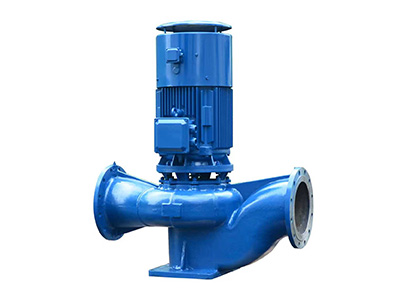
Most small fire-fighting pressure-stabilizing pump devices employ a vertical multi-stage centrifugal pump structure, achieving high head output through multi-stage impeller series connection. This structure achieves high-efficiency pressure stabilization within a limited space, making it particularly suitable for high-rise buildings or long-distance pipeline systems. Multi-stage pumps feature stable flow and pressure output, avoiding sudden pressure changes during pressure replenishment and providing excellent protection for pipelines and valves. Meanwhile, the vertical structure reduces the axial footprint, facilitating vertical arrangement with control cabinets and piping systems, resulting in a more compact overall system. The high hydraulic efficiency of multi-stage pumps helps reduce long-term energy costs, meeting the design requirements of modern fire protection systems that prioritize both high efficiency and energy saving.
5. Intelligent Control System Enables Unattended Operation
Small fire-fighting pressure-stabilizing pump units are typically equipped with independent control systems, integrating pressure sensors, start/stop logic, alarm outputs, and other functions. The control system can monitor changes in pipeline pressure in real time and automatically determine whether to start or stop operation based on set values, achieving a fully automated pressure replenishment process. In abnormal situations, such as low pressure, motor overload, or power abnormality, the system can promptly issue alarm signals to prompt maintenance personnel to handle the problem. This intelligent operation mode reduces reliance on manual inspections, ensuring the fire protection system remains in a stable operating state for extended periods. Through intelligent control logic, the equipment can automatically adjust its operating strategy according to different working conditions, improving the overall system reliability and safety.
6. Energy-Saving Operation Mode Reduces Long-Term Operating Costs
Compared to large fire pumps, small fire-fighting pressure-stabilizing pump units have a more rational power configuration, specifically designed for daily pressure replenishment operations. Its low operating flow rate and infrequent start-stop frequency avoid energy waste caused by repeated starts of high-power equipment. In constant pressure water supply systems, this device only operates for short periods when pressure drops, operating in an intermittent mode, significantly reducing average annual energy consumption. In the long term, this energy-saving characteristic not only reduces electricity expenditure but also lowers the heat load on the equipment, helping to extend the service life of the motor and control components, thus achieving a dual improvement in safety and economy.
7. Standardized Interfaces Facilitate System Integration Small fire-fighting pressure-stabilizing pumps are typically designed with standardized inlet and outlet flange sizes and electrical control interfaces, facilitating integration with existing fire-fighting pipe networks. Whether for new construction or renovation projects, rapid installation can be achieved through simple pipe connections. Standardized interfaces reduce on-site customization requirements, shorten construction cycles, and facilitate system commissioning. This feature is particularly important for engineering projects, effectively reducing design and installation complexity and improving overall construction efficiency. Simultaneously, standardized interfaces facilitate later maintenance and replacement, ensuring good replaceability throughout the equipment's lifespan.
8. Adaptable to Various Fire Protection System Applications
The small fire-fighting pressure-stabilizing pump unit is widely applicable to indoor fire hydrant systems, automatic sprinkler systems, and combined fire water supply systems. In high-rise buildings, its main function is to maintain the foundation pressure of the pipe network, preventing insufficient local pressure due to height differences; in industrial plants, it ensures that the sprinkler system is always in a water-filled standby state; in commercial buildings, it effectively reduces the risk of false alarms and false starts. Due to its small size and stable operation, this unit can be used as an independent pressure-stabilizing unit or combined with the main fire pump to form a complete water supply system, adapting to various complex application environments and demonstrating good versatility and adaptability.
9. Stable Materials and Structure Improve Operational Reliability
The small fire-fighting pressure-stabilizing pump unit's structural design prioritizes long-term stable operation. The pump body and key components are typically made of corrosion-resistant materials to withstand long-term water storage and humidity environments. The motor and control components have good heat dissipation conditions, ensuring reliable operation under frequent start-stop conditions. The overall structure is reinforced to reduce the impact of vibration and noise on the system. Through proper material selection and structural optimization, the equipment is less prone to performance degradation during long-term operation, effectively ensuring the fire protection system can function effectively in critical moments.
10. Aligns with Modern Fire Protection System Design Trends
As building fire protection systems develop towards intelligence and integration, small fire-fighting pressure-stabilizing pumps are gradually becoming an important component of constant pressure water supply systems. With automatic control at its core, it maintains stable system operation through precise pressure replenishment, meeting the comprehensive requirements of modern fire protection design for reliability, energy efficiency, and intelligence. Compared to traditional manual adjustment methods, this device can achieve continuous monitoring and automatic adjustment, reducing human error and improving the overall safety level of the system. In the future development of fire protection systems, small pressure-stabilizing pumps will serve as basic equipment, playing an increasingly important role in ensuring the stable operation of fire protection pipe networks.
In summary, small fire-fighting pressure-stabilizing pumps possess multiple technical advantages in constant pressure water supply systems, including compact structure, automatic pressure replenishment, energy efficiency, and intelligent control. By reasonably distributing the workload of the main pump, this device effectively extends the overall service life of the system and ensures that the fire protection pipe network maintains a stable pressure state over a long period. Its excellent adaptability and integration capabilities have led to its widespread application in high-rise buildings, industrial facilities, and commercial venues. As an important component of modern fire-fighting water supply systems, small fire-fighting pressure-stabilizing pumps demonstrate irreplaceable technical value in improving system safety, reliability, and operational economy.
 WhatsApp me