

1. Comprehensive Upgrade of Intelligent Control System Architecture
Advanced control panel fire pump systems adopt a modular design concept, highly integrating the control cabinet, power system, monitoring unit, and actuators, achieving unified control through a PLC or microprocessor. The system can automatically determine whether to start or stop based on pressure changes and flow requirements, avoiding delays and misoperations caused by manual intervention. Simultaneously, multi-level access control ensures that different operators have appropriate control permissions, effectively preventing accidental touches or unauthorized operations. The overall architecture balances stability and scalability, flexibly adapting to the needs of fire protection systems of different scales, providing reliable protection for large industrial parks, commercial complexes, and other scenarios.
2. Real-time Monitoring Ensures Transparent System Operation
The system incorporates multiple sensors, including pressure sensors, flow meters, and temperature detection modules, to continuously monitor the fire pump's operating status 24/7. All data is displayed in real-time on the control panel and historical operating curves can be recorded for easy analysis and maintenance. Operators can intuitively understand the equipment's operating status; in the event of an anomaly, such as insufficient pressure or flow fluctuations, the system will immediately alarm and provide handling suggestions. This highly visualized management method significantly improves operational efficiency and reduces potential for malfunctions.
3. Outstanding Automatic Start-up and Emergency Response Capabilities
In the early stages of a fire, the response speed of the fire protection system is crucial. This system features an automatic start-up function; when the pipeline pressure falls below the set value, the fire pump immediately starts supplying water without manual intervention. It also supports multiple start-up methods, such as remote start, manual button start, and emergency backup start, ensuring the system can be quickly operational under any circumstances. Especially in unattended or nighttime environments, this automatic response mechanism significantly shortens reaction time, gaining valuable time for fire control.
4. Multiple Protection Mechanisms Enhance Equipment Safety
The advanced control panel integrates multiple protection functions, including overload protection, phase loss protection, overvoltage protection, and low water level protection. When the system detects abnormal operating conditions, it automatically takes shutdown or switching measures to prevent equipment damage. Simultaneously, the system supports redundant design and can be configured with a backup pump group, automatically switching in case of main pump failure to ensure uninterrupted water supply. This multi-level safety mechanism effectively extends equipment lifespan and reduces overall maintenance costs.
5. Powerful Remote Monitoring and Data Management Capabilities
The system supports remote monitoring, connecting to a central control room or cloud platform via network or industrial communication protocols. Management personnel can view system status, receive alarm information, and perform remote operations via computer or mobile devices without being on-site. Data can be stored long-term and reports generated for analyzing equipment operating efficiency and maintenance cycles. This remote management method not only improves management efficiency but also provides crucial support for the construction of smart fire protection systems.
6. Energy-Saving Operation Optimization Reduces Operating Costs
Through intelligent control algorithms, the system can automatically adjust its operating status according to actual water demand, avoiding frequent start-ups and shutdowns and energy waste. Under low load conditions, the system automatically switches to energy-saving mode, reducing fuel or electricity consumption. Simultaneously, precise control strategies ensure the equipment always operates within its optimal range, thereby improving overall efficiency. Long-term use significantly reduces energy costs and maintenance expenses, bringing considerable economic benefits to businesses.
7. Compact Design Enhances Installation Ease
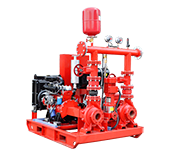
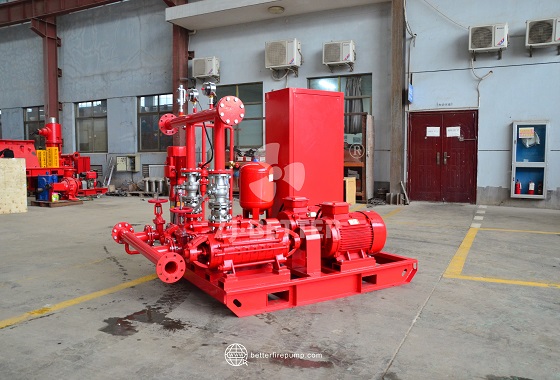
This fire pump system typically employs a skid-mounted or integrated design, centrally mounting the pump body, control cabinet, piping, and accessories on a single base. Commissioning is completed before delivery, requiring only simple on-site connections for immediate use, greatly shortening the construction cycle. The compact structure saves space, making it suitable for equipment rooms with limited space or outdoor installation environments. This design not only improves installation efficiency but also reduces construction complexity and labor costs.
8. Adaptable to Multiple Application Scenarios
The advanced control panel fire pump system is widely applicable to various scenarios such as industrial plants, petrochemical bases, power facilities, commercial buildings, and warehousing and logistics centers. Whether it's the high-pressure water supply needs of high-rise buildings or the long-distance water transmission requirements of large factories, the system can operate stably. By flexibly configuring different parameters and components, it can meet the needs of various complex fire protection environments, possessing strong versatility and adaptability.
9. Convenient Maintenance Improves Operation and Maintenance Efficiency
The system was designed with ease of maintenance in mind from the outset. Key components are rationally laid out for easy inspection and replacement. The control panel provides a self-diagnostic function, quickly locating problems and reducing troubleshooting time. Simultaneously, the modular structure allows for independent component replacement without overall disassembly, significantly reducing maintenance difficulty. Regular maintenance reminders also alert operators to perform checks, ensuring the equipment is always in optimal condition.
10. Compliance with Multiple International Standards Ensures Quality
This type of fire pump system typically adheres to multiple international and industry standards during design and manufacturing, ensuring high levels of product performance and safety. Rigorous testing procedures include pressure testing, continuous operation testing, and emergency response testing, ensuring stable operation under various extreme conditions. This not only improves system reliability but also enhances its competitiveness in the international market, making it suitable for fire protection regulations in different countries and regions.
Advanced control panel fire pump systems, with their core advantages of intelligence, automation, and high reliability, comprehensively improve the safety and operational efficiency of fire water supply systems. From real-time monitoring to remote management, from automatic response to multiple protections, this system demonstrates the significant value brought by technological upgrades in every aspect. With the continuous trend of modern fire protection engineering towards intelligence, this type of product is not only a choice for equipment upgrades, but also an important foundation for building an efficient and safe fire protection system, providing lasting and reliable safety guarantees for various buildings and industrial facilities.
 WhatsApp me